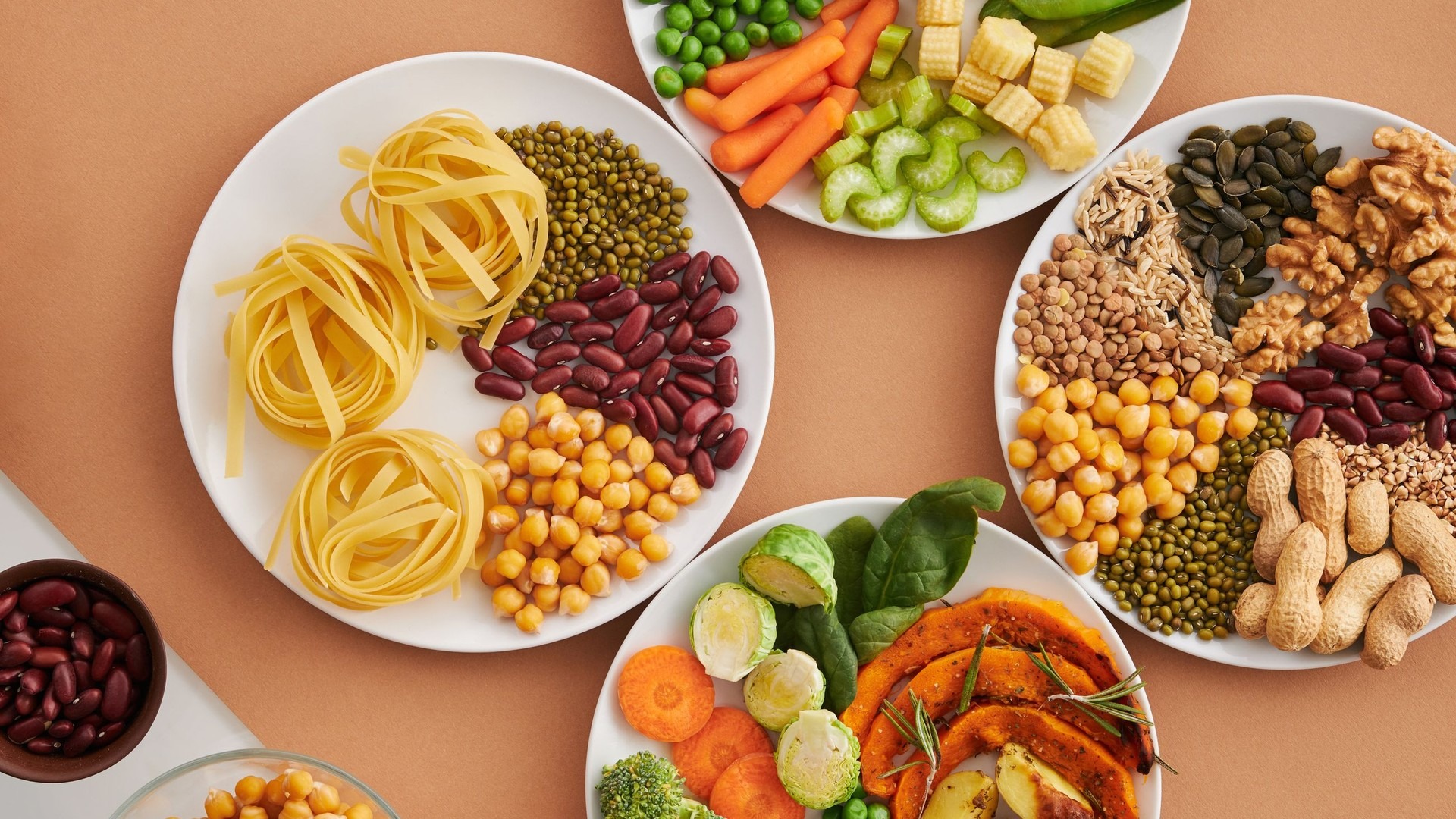
Fiber for Women: Why It Matters and 10 Easy Ways to Get More Ladies, let’s be real: when we think about eating healthy, protein usually gets all the attention. And yes, protein matters! But there’s another nutrient quietly doing a ton of work behind the scenes, and most of us aren’t getting enough of it: fiber. If you’ve ever felt bloated and backed up, starving an hour after breakfast, or hit with an energy crash mid-afternoon, fiber might be part of the answer. The best part? This time of year makes it easy, because so many cozy fall foods are packed with it. Let’s break down what fiber is, why it matters for women and how to get more without overthinking it. What Is Fiber, Anyway? Fiber is the part of plant foods that your body can’t fully digest. Instead of being broken down and absorbed like other carbs, it moves through your digestive system and helps keep everything running smoothly along the way. There are two main types, and you need both: Soluble fiber: Dissolves in water and forms a gel in your gut. It helps slow digestion, which can help you feel full longer and support steadier energy. You’ll find it in oats, beans, lentils, apples, pears, chia seeds and barley. Insoluble fiber: Doesn’t dissolve in water. It adds bulk and helps food move through your system, which keeps you regular. You’ll find it in whole grains, nuts, seeds and the skins of fruits and veggies. Most plant foods have a mix of both, so if you’re eating a variety of fruits, veggies, whole grains, beans and seeds, you’re covering your bases. Why Fiber Matters for Women It keeps you regular: This is the big one. Fiber, along with enough water, helps prevent constipation and that uncomfortable, heavy feeling. It keeps you full: Fiber slows digestion, so meals that include it tend to keep you satisfied longer. That’s a game changer if you’re working on your weight or trying to stop the constant snacking. It supports steadier energy: Because soluble fiber slows down how quickly carbs are absorbed, pairing fiber with your carbs (and your protein) can help you avoid that spike-and-crash feeling. It feeds your gut: Some types of fiber act as prebiotics, which means they feed the good bacteria in your gut. If you read our post on probiotics and prebiotics, you already know how much your gut affects how you feel. It supports heart health: Soluble fiber can help support healthy cholesterol levels as part of an overall balanced diet. How Much Fiber Do You Need? The Dietary Guidelines for Americans recommend roughly 22 to 28 grams of fiber a day for adult women, depending on your age (younger women are on the higher end). The Guidelines also point out that fiber is one of the nutrients most Americans don’t get enough of, so if you’re falling short, you’re definitely not alone. You don’t need to count every gram. Think of it this way: if most of your meals include a fruit or veggie plus a whole grain, bean or seed, you’re probably in a great spot. Cozy Fall Foods Packed With Fiber Here are some of our favorite fiber-rich foods that are in season or perfect for fall. Amounts are approximate: Black beans and lentils: about 7 to 8 g per 1/2 cup cooked Raspberries: about 8 g per cup Butternut squash: about 6 g per cup, cooked Pears (with the skin): about 5 to 6 g per medium pear Apples (with the skin): about 4 g per medium apple Chia seeds: about 4 g per tablespoon Rolled oats: about 4 g per 1/2 cup, dry Canned pumpkin: about 3 to 4 g per 1/2 cup 10 Easy Ways to Get More Fiber Go slow: If you’re not used to much fiber, add it gradually over a week or two. Jumping in too fast can cause gas and bloating. Drink more water: Fiber works best with fluid. As you add more fiber, keep that water bottle close. Start your day with oats: Overnight oats or oatmeal is one of the easiest fiber wins. (Our High-Protein Pumpkin Spice Overnight Oats are coming Saturday, with about 8 g of fiber per serving!) Keep the skins on: Apple, pear, potato and sweet potato skins are full of fiber. Just give them a good wash. Choose whole fruit over juice: Juicing removes most of the fiber, so eat the apple instead of drinking it. Add beans to everything: Toss them into soups, salads, tacos and skillets. Our new High-Protein Turkey & Butternut Squash Skillet has about 9 g of fiber per serving thanks to black beans and squash. Swap to whole grains: Choose whole wheat bread, brown rice, quinoa or whole-grain pasta most of the time. Sprinkle in seeds: A tablespoon of chia or ground flaxseed in your yogurt, oats or smoothie adds fiber with almost zero effort. Snack smarter: Reach for a pear with a handful of almonds, veggies with hummus or roasted chickpeas instead of chips. Fill half your plate with veggies: It’s the simplest rule there is, and it adds up fast. A Few Things to Keep in Mind Food first is the way to go. Whole foods give you fiber plus vitamins, minerals and antioxidants that a supplement can’t match. If you’re thinking about a fiber supplement, have a digestive condition like IBS, or notice ongoing changes in your digestion, check in with your doctor or a registered dietitian. They can help you find what works for your body. Small changes really do add up. Pick one or two tips from this list to try this week, and let us know in the comments which one you’re starting with! Share: Facebook Pinterest Email Social Media Facebook-f Youtube Pinterest Instagram Tiktok Most Popular Get The Latest Updates Subscribe To Our Weekly Newsletter No spam, notifications only about new post, updates. Categories Related Posts