
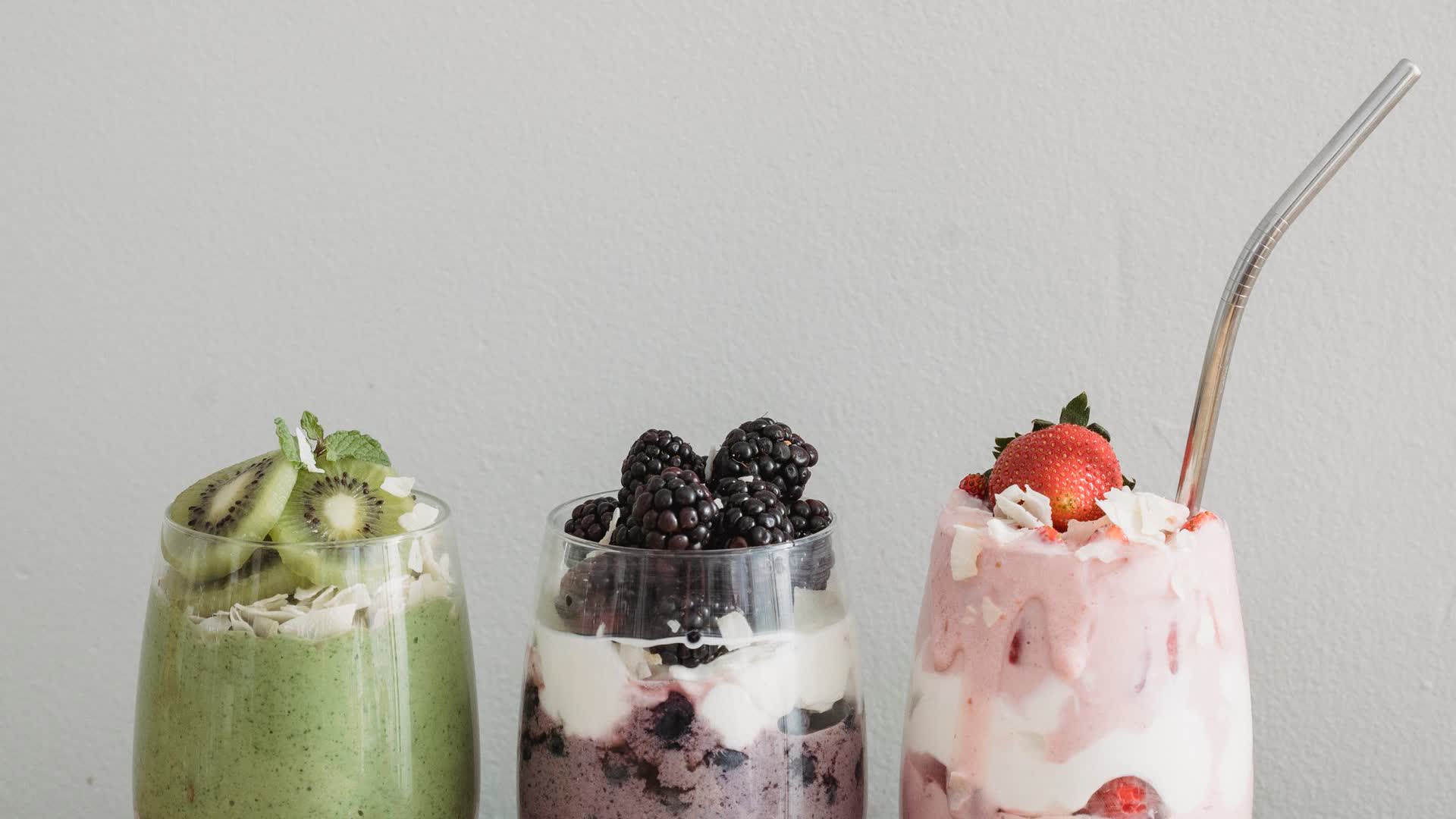
Weight Gain Smoothies for Women If you have ever felt too full to eat another bite but still needed more calories, smoothies are the answer. Drinking your calories is much easier than chewing them, and a well-built shake can carry 600 to 800 calories in a single glass that goes down in minutes. This is a full guide, not just a list of recipes. We will show you the formula for building a high-calorie smoothie, the calorie and protein targets to aim for, the best times to drink one, dairy-free and vegan swaps, and the mistakes that turn a great shake into a sugar bomb. Then you will get seven brand-new recipes with calories and protein for each one. If you want even more ideas, our 2023 post on 5 Weight Gain Shake Recipes has five more, and this guide fits inside our bigger pillar on Healthy Weight Gain for Women. Why Smoothies Work for Weight Gain The hardest part of gaining weight is eating enough, and smoothies solve that problem in three ways. First, liquids are easier to get down than solid food, so you can take in a lot of calories without feeling stuffed. Second, you can pack an enormous amount of nutrition into one glass: protein, healthy fats, carbs, fruit, and even vegetables, all blended together. Third, they are fast. A smoothie takes five minutes to make, which matters on busy mornings or after a workout when you need food quickly. Smoothies also work alongside real meals rather than replacing them. Think of a shake as a calorie helper: one a day on regular days, two on days when your food intake is low. That is usually enough to create the modest surplus of 250 to 500 calories a day that drives healthy weight gain, about half a pound to a pound a week. For the full approach, see our guide on How to Gain Weight Without Junk Food, and for a full week of meals, our High-Calorie High-Protein Meal Plan for Women. The Smoothie-Building Formula Every great weight-gain smoothie follows the same five-part formula. Learn it once and you can build your own shakes forever. Start with a liquid base, about one cup: whole milk, oat milk, coconut milk, or full-fat yogurt thinned with milk. Whole milk and coconut milk carry the most calories, while water and low-fat milk carry the fewest, so choose accordingly. Add protein, aiming for 20 to 30 grams: a scoop of protein powder, half a cup of Greek yogurt, or a quarter cup of cottage cheese. Protein is what turns your smoothie from a sweet drink into a muscle-building meal. Add a healthy fat, one to two tablespoons: peanut butter, almond butter, avocado, or a tablespoon of coconut oil. Fat is the easiest way to add calories without adding volume, because it has nine calories per gram. Add carbohydrates, about half to one cup: oats, a banana, or frozen mango. Carbs give the shake substance and fuel your workouts. Finish with extras for flavour and nutrition: a tablespoon of chia seeds, hemp seeds, or ground flaxseed, a drizzle of honey or maple syrup, cocoa powder, cinnamon, or a handful of spinach. Spinach blends invisibly and adds iron and folate without changing the taste. Calorie and Protein Targets per Shake A weight-gain smoothie should carry real calories. Aim for 500 to 800 calories and 20 to 35 grams of protein per shake. Below 400 calories, it is a snack, not a weight-gain tool. Above 1,000 calories, it starts to feel like a meal replacement, which is fine occasionally, but most women do better with a shake in the 600 to 800 range alongside regular meals. If your shake comes out too low in calories, the fix is simple: add a tablespoon of nut butter, half an avocado, or a quarter cup of oats. Each one adds roughly 100 to 150 calories. If it is too low in protein, add half a scoop of protein powder or a few spoonfuls of Greek yogurt. Keep an eye on sugar too. Fruit is wonderful, but a shake made mostly of fruit juice and sweetened yogurt can pack a lot of sugar without much protein. Balance fruit with protein and fat every time. Our Best Protein Supplements for Weight Gain compares protein powders honestly if you are choosing one. Best Times to Drink One Timing is flexible, but some moments work better than others. With breakfast is the easiest: a smoothie alongside eggs or toast turns a light breakfast into a serious one. After a workout is ideal too, because your muscles are ready for protein and your appetite is usually up. Between meals is the classic slot, especially mid-afternoon, when a shake keeps your energy up without ruining dinner. And before bed works well for women who wake up hungry or struggle with breakfast, since a slow-digesting shake with yogurt or casein-style protein gives your body fuel overnight. One tip: drink your smoothie with or just after a meal rather than right before one, so it does not spoil your appetite. And do not gulp it in thirty seconds. Sip it over ten or fifteen minutes and you will feel much better. Dairy-Free and Vegan Swaps Every recipe in this guide can be made dairy-free or fully vegan with a few simple swaps. Use oat milk, soy milk, or full-fat coconut milk instead of whole milk. Soy milk is the best vegan swap for protein, while oat milk is the creamiest and coconut milk is the highest in calories. Replace whey protein powder with pea, soy, or rice protein powder, and swap Greek yogurt for coconut yogurt or silken tofu, which blends completely smooth and adds protein. Nut butters, avocado, oats, seeds, and dates are already vegan, so most of the calorie-building ingredients need no change at all. Use maple syrup instead of honey and you are fully plant-based. If you want more vegan meal ideas, our High-Protein Recipes for Women includes plenty of
High-Calorie High-Protein Meal Plan for Women
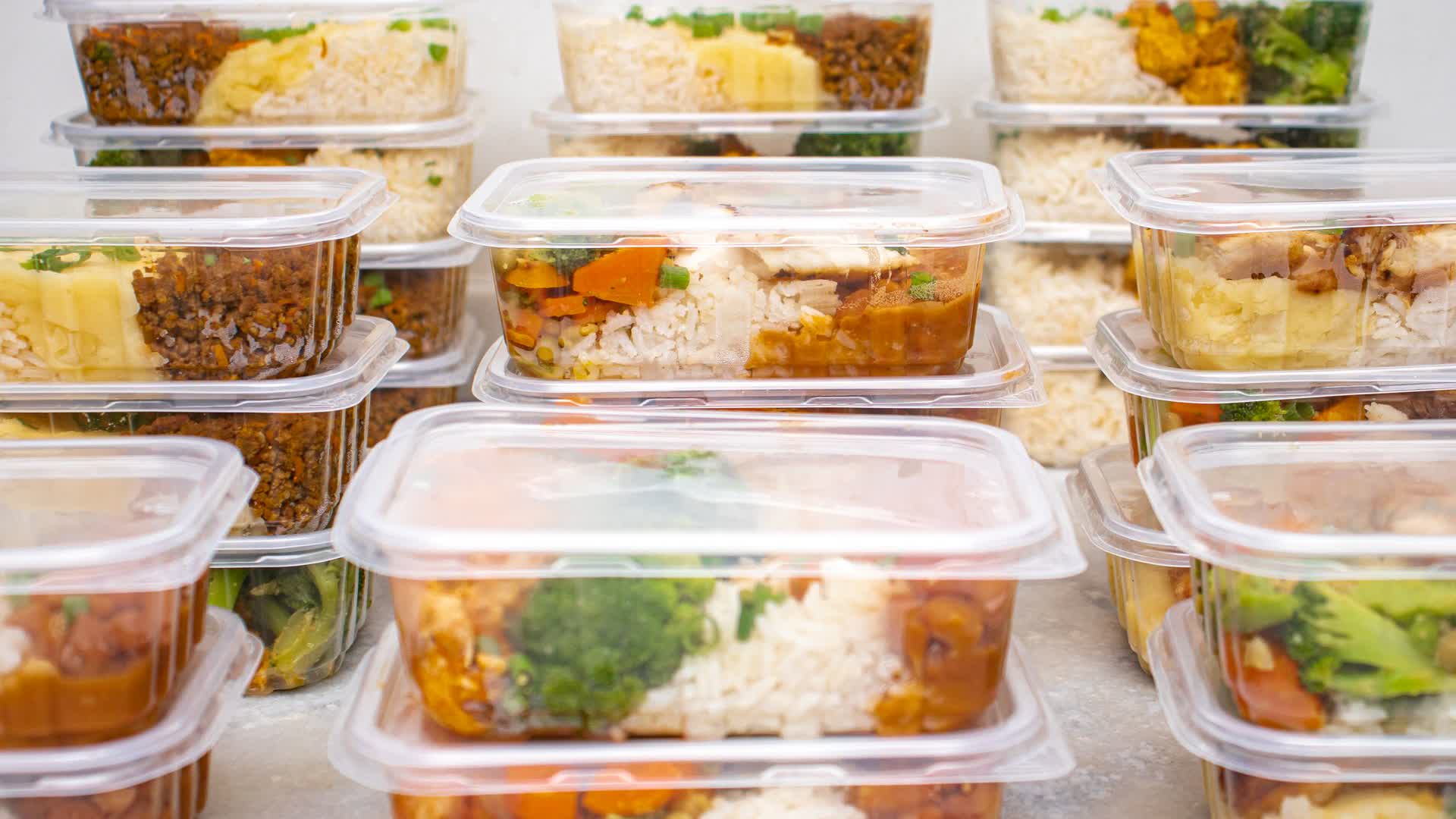
High-Calorie High-Protein Meal Plan for Women If you know you need to eat more but have no idea what that looks like on a plate, this plan is for you. It is a full seven days of breakfasts, lunches, dinners, and snacks that add up to roughly 2,100 to 2,400 calories and 100 to 130 grams of protein a day. That is a modest surplus for most women, enough to gain about half a pound to a pound a week when combined with strength training. This is different from the one-day sample in our Weight Gain Food List for Women. That post shows you which foods help. This post shows you a whole week of varied meals, so you can follow it day by day without repeating the same thing. It fits inside our bigger guide on Healthy Weight Gain for Women, which explains the calorie and protein targets behind it. How This Plan Works Each day has three meals and two snacks. That rhythm matters, because five smaller eating moments are much easier than three huge plates, especially if you get full quickly. Every meal includes a protein source, and every day includes healthy fats like olive oil, nut butter, or avocado, because fat is the easiest way to add calories without adding volume. The calorie and protein numbers are approximate. Your exact needs depend on your size, age, and activity level, so treat these as a starting point and adjust. If you are very active or taller than average, you may need more. If you are smaller or less active, you may need less. Weigh yourself once or twice a week and adjust by about 200 calories if the scale is not moving after two or three weeks. You do not need to cook seven different dinners from scratch. Cook extra chicken or rice on one day and use it the next, keep snacks ready to grab, and prep your breakfast the night before when you can. If a meal does not appeal to you, swap it for another day’s meal. The plan is a template, not a test. Day 1 Breakfast: Oatmeal cooked in whole milk with peanut butter, sliced banana, and honey. Lunch: Grilled chicken wrap with hummus, spinach, and olive oil, plus roasted sweet potatoes. Snack: Full-fat Greek yogurt with granola and berries. Dinner: Baked salmon with quinoa and roasted vegetables, plus half an avocado. Evening snack: Cottage cheese with almond butter and a drizzle of honey. Daily total: about 2,250 calories, about 115 grams of protein. Day 2 Breakfast: Scrambled eggs with cheese, avocado toast, and a small banana smoothie with oats. Lunch: Turkey and cheese sandwich on whole-grain bread with a side of trail mix. Snack: Protein shake made with whole milk, oats, and peanut butter. Dinner: Beef stir-fry with rice and vegetables cooked in sesame oil. Evening snack: Half a peanut butter and banana sandwich with a glass of whole milk. Daily total: about 2,300 calories, about 120 grams of protein. Day 3 Breakfast: Greek yogurt parfait with granola, mixed nuts, and honey, plus a boiled egg. Lunch: Lentil and sausage soup with whole-grain bread and butter. Snack: Apple slices with almond butter and a handful of walnuts. Dinner: Chicken thighs with mashed potatoes, gravy, and green beans with butter. Evening snack: Chocolate milk and a small bowl of whole-grain cereal. Daily total: about 2,200 calories, about 110 grams of protein. Day 4 Breakfast: Pancakes with peanut butter, banana, and maple syrup, plus a glass of whole milk. Lunch: Tuna pasta salad with olive oil, chickpeas, and parmesan. Snack: Cottage cheese with pineapple and a handful of cashews. Dinner: Pork chops with sweet potato mash and roasted broccoli with olive oil. Evening snack: Protein smoothie with berries, oats, and Greek yogurt. Daily total: about 2,350 calories, about 125 grams of protein. Day 5 Breakfast: Breakfast burrito with eggs, cheese, black beans, and avocado. Lunch: Chicken Caesar salad with extra parmesan, croutons, and a bread roll. Snack: Hummus with pita bread and cheese cubes. Dinner: Shrimp pasta with a creamy garlic sauce and a side salad with olive oil dressing. Evening snack: Banana with peanut butter and a glass of whole milk. Daily total: about 2,200 calories, about 115 grams of protein. Day 6 Breakfast: French toast with butter and maple syrup, plus Greek yogurt and berries. Lunch: Beef and bean chili with cheese, sour cream, and cornbread. Snack: Trail mix with nuts, seeds, and dark chocolate. Dinner: Baked salmon with rice, roasted vegetables, and avocado. Evening snack: Overnight oats with peanut butter and banana. Daily total: about 2,300 calories, about 120 grams of protein. Day 7 Breakfast: Shakshuka with feta and whole-grain toast with butter. Lunch: Chicken and rice bowl with avocado, black beans, corn, and sour cream. Snack: Smoothie with whole milk, oats, peanut butter, and banana. Dinner: Flatbread pizza with cheese, chicken, and vegetables. Evening snack: Greek yogurt with honey and walnuts. Daily total: about 2,250 calories, about 110 grams of protein. How to Adjust the Plan If you need fewer calories, drop one snack or switch whole milk to lower-fat milk, and use a little less oil and nut butter. If you need more, add a second smoothie, an extra snack, or a larger portion of rice, pasta, or potatoes at dinner. An extra 200 calories is as simple as two tablespoons of peanut butter or a handful of nuts. For vegetarian days, swap the meat for tofu, tempeh, eggs, or an extra serving of beans and lentils, and add cheese or Greek yogurt to keep the protein up. Our High-Protein Recipes for Women has plenty of meat-free ideas, and if you eat fish, our 23 Pescatarian Recipes for Healthy Weight Gain fits this plan well. If you hate a food in the plan, swap it for something with a similar role: any protein for any protein, any grain for any grain, any fruit for any fruit. The structure matters more than the exact ingredients. And if you