
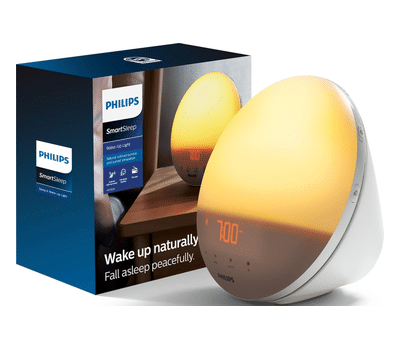
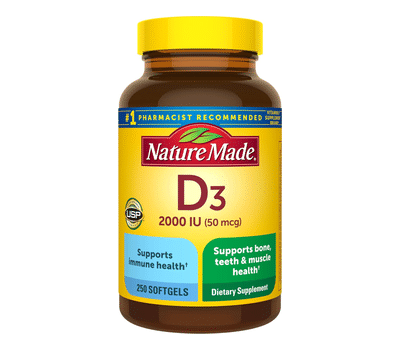
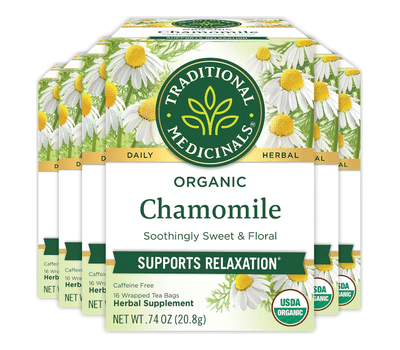
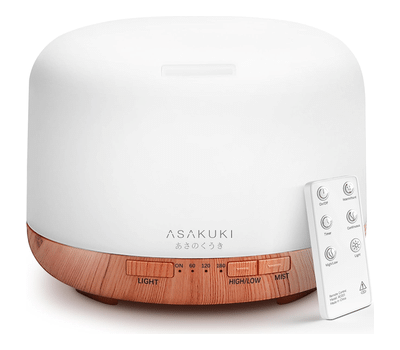
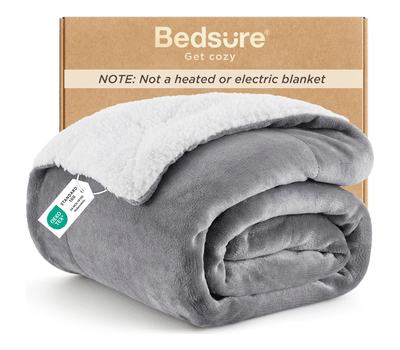






Shorter Days, Lower Mood? Beating the Seasonal Slump Ladies, does this sound familiar? The clocks fall back, it’s dark by the time you leave work, and suddenly all you want to do is curl up on the couch with a blanket and a snack. Your energy dips, your motivation goes missing and your mood just feels a little… gray. If that’s you, you are definitely not alone. Lots of women notice a shift in how they feel when the days get shorter. The good news? There are simple, everyday habits that can help you feel more like yourself this season. Let’s talk about why it happens and what you can do about it. Why Shorter Days Can Affect How You Feel Your body runs on an internal clock (your circadian rhythm), and daylight is one of its biggest cues. When there’s less light in the mornings and evenings, that rhythm can get a little out of sync. Less sunlight can also affect the brain chemicals and hormones involved in mood, energy and sleep, like serotonin and melatonin. The result? Many people feel more tired, crave more comfort foods (hello, carbs!), sleep more but still feel sluggish, or just feel less motivated in the fall and winter. These “winter blues” are common and usually mild. Winter Blues vs. Seasonal Affective Disorder For some people, the seasonal shift is more than a slump. Seasonal affective disorder (often called SAD) is a type of depression that follows a seasonal pattern, most often starting in late fall or early winter. It’s more common in women and in people who live farther from the equator, where winter days are shorter. Some signs that it might be more than the winter blues: Feeling down, hopeless or empty most of the day, nearly every day Losing interest in things you usually enjoy Big changes in sleep or appetite Trouble concentrating or getting through your day Pulling away from friends and family If any of these sound familiar and they last for more than a couple of weeks or get in the way of your daily life, please talk to your doctor. Seasonal depression is real, it’s nothing to be ashamed of, and a healthcare provider can help you figure out what’s going on and what support is right for you. 9 Simple Ways to Beat the Seasonal Slump These everyday habits can help you feel more energized and balanced when the days get shorter. Pick one or two to start with and build from there. 1. Get Outside in the Morning Morning light is one of the best signals for your body clock. Try to get outside within an hour or two of waking up, even for 10 to 15 minutes. Drink your coffee on the porch, walk the dog or take a short walk around the block. Even on cloudy days, outdoor light is much brighter than indoor light. 2. Brighten Up Your Space Open your blinds as soon as you wake up, sit near a window when you can and turn on bright lights in the morning. Some people also use a light therapy lamp, which gives off bright light that’s similar to daylight. If you’re curious about one, ask your doctor whether it’s a good fit for you, especially if you have an eye condition or take medications that make you sensitive to light. 3. Keep Moving Exercise is one of the best mood boosters around, and it doesn’t have to be intense. A brisk walk, a short home workout or a dance party in your kitchen all count. Bonus points if you can move outside in the daylight. Need a plan? Our Walking for Weight Loss: A 4-Week Plan for Women is the perfect place to start. 4. Protect Your Sleep Schedule It’s tempting to hibernate, but sleeping in on weekends can throw your body clock off even more. Try to go to bed and wake up at about the same time every day, aim for 7 to 9 hours, and dim the lights and put your phone away for a little while before bed. 5. Eat for Steady Energy Craving carbs is normal this time of year. Instead of fighting it, build balanced meals with protein, fiber-rich carbs and healthy fats to help keep your energy steady. Think cozy soups, high-protein skillets, oatmeal with nuts and fruit, and plenty of veggies. Our post on Foods That Boost Your Mood has even more ideas. 6. Ask About Your Vitamin D Your body makes vitamin D when your skin is exposed to sunlight, so levels can dip in the darker months. You can get some from foods like salmon, eggs and fortified milk. Before you start a supplement, ask your doctor whether you should have your levels checked and how much is right for you. Learn more in The Importance of Vitamin D for Women. 7. Stay Connected When it’s cold and dark, it’s easy to cancel plans and stay home. But spending time with people you love is one of the best things you can do for your mood. Schedule a weekly walking date, a phone call with a friend or a cozy dinner night, and put it on the calendar so it actually happens. 8. Plan Something to Look Forward To Give yourself little things to be excited about: a new book, a fun class, a weekend day trip or a holiday get-together. Having something on the calendar can make the darker weeks feel a lot shorter. 9. Make Your Evenings Cozy, Not Gloomy Lean into the season! Warm lamps, a candle, a soft blanket, a cup of herbal tea and a good show can turn a dark evening into something you actually enjoy. Gentle stretching, journaling or a warm bath can help you wind down, too. When to Reach Out for Help Self-care habits can make a real difference, but they aren’t a replacement for professional care. If your mood is low most days, you’re struggling to get through your

High-Protein Turkey Taco Skillet Pin Print High-Protein Turkey Taco Skillet Serving 4 servingsPrep time 10 minutesCooking time 20 minutesCalories 430 kcal Taco night just got a high-protein glow-up, ladies! This High-Protein Turkey Taco Skillet has everything you love about tacos (seasoned meat, beans, corn, peppers and melty cheese) all made in one pan in about 30 minutes. Each serving has around 36 grams of protein and plenty of fiber, so it actually keeps you full. Scoop it into tortillas, pile it on a salad, serve it over rice or eat it straight from a bowl. It also makes amazing meal-prep lunches for the week. 🛒 Ingredients 1 tablespoon olive oil 1 lb 93% lean ground turkey 1 small yellow onion, diced 1 red or green bell pepper, diced 2 cloves garlic, minced 2 tablespoons reduced-sodium taco seasoning (or 1 packet) 1 can (15 oz) pinto or black beans, drained and rinsed 1 can (10 oz) diced tomatoes with green chiles, undrained 1 cup frozen or canned corn (drained) 1/2 cup water or low-sodium chicken broth 3/4 cup shredded reduced-fat Mexican-style cheese 1/2 cup plain nonfat Greek yogurt (for topping, instead of sour cream) Fresh cilantro, sliced green onions and lime wedges, for serving Optional for serving: high-fiber tortillas, brown rice, cauliflower rice, romaine lettuce cups, sliced avocado or salsa 👩🏻🍳 Instructions Brown the Turkey: Heat the olive oil in a large (12-inch) skillet over medium-high heat. Add the ground turkey and cook for 5 to 6 minutes, breaking it into small crumbles, until browned and no longer pink. Add the Veggies: Add the onion and bell pepper and cook for 3 to 4 minutes, until softened. Stir in the garlic and cook for 30 seconds, until fragrant. Season: Sprinkle in the taco seasoning and stir until the turkey and veggies are evenly coated. Simmer: Add the beans, diced tomatoes with green chiles (with their juices), corn and water or broth. Bring to a simmer, then lower the heat to medium-low and cook for 6 to 8 minutes, stirring now and then, until the sauce thickens. Get Melty: Sprinkle the cheese evenly over the top, cover the skillet and cook for 1 to 2 minutes, until the cheese melts. Top and Serve: Finish with a dollop of Greek yogurt, fresh cilantro, green onions and a squeeze of lime. Serve on its own or with your favorite taco fixings. Nutritional Information A Quick Note: The following nutritional information is an estimate for 1 serving (1/4 of the skillet) including 2 tablespoons of Greek yogurt, without tortillas, rice or avocado. Actual values can vary based on the specific brands and ingredients you use. Calories: ~430 kcal Protein: ~36 g Fat: ~17 g Carbohydrates: ~32 g Fiber: ~7 g Sugar: ~6 g Tips & Swaps Swap the protein: Lean ground chicken or 95% lean ground beef work great here, too. Make it gluten-free: Use a taco seasoning labeled gluten-free and serve it in corn tortillas or over rice. Turn up the heat: Add a diced jalapeño with the onion, or use a “hot” can of tomatoes and green chiles. Meal prep: Divide into containers and keep in the fridge for up to 4 days. Add the yogurt and fresh toppings when you’re ready to eat. Freezer friendly: Freeze cooled portions (without toppings) for up to 3 months and reheat on the stove or in the microwave. One pan, 30 minutes and big taco flavor with every bite. Taco Tuesday is officially sorted. Enjoy, ladies! Check out these items! SHOP NOW! SHOP NOW! SHOP NOW! SHOP NOW! SHOP NOW! SHOP NOW! Share: Facebook Pinterest Email SHOP NOW! SHOP NOW! Social Media Facebook-f Youtube Pinterest Instagram Tiktok Most Popular Get The Latest Updates Subscribe To Our Weekly Newsletter No spam, notifications only about new post, updates. Categories Related Posts

Walking for Weight Loss: A 4-Week Plan for Women Ladies, can we give walking the credit it deserves? It’s free, you already know how to do it, it’s gentle on your joints and you can do it almost anywhere. And when it comes to weight loss, a regular walking habit can make a real difference, especially when you pair it with good food and a little consistency. If you’ve been waiting for the “perfect” time to start moving again, this is your sign. This 4-week walking plan for women starts where you are and builds up week by week, so you’re never thrown into the deep end. No gym, no fancy equipment and no video needed. Just a good pair of shoes, a timer and you. Why Walking Works for Weight Loss Walking burns calories, and because it’s easy to recover from, you can do it most days of the week. That’s the secret: the best workout is the one you’ll actually keep doing. A few more reasons to love it: It adds up fast. A brisk 30-minute walk most days is about 150 minutes of movement a week, which is the amount of moderate activity most health guidelines recommend for adults. It’s easy on your body. Walking is low impact, so it’s a great fit if you’re just getting started, coming back after a break or carrying extra weight. It helps with stress. A walk outside is one of the simplest ways to clear your head, and lower stress can make it easier to stick with healthy habits. It helps after meals. A short walk after eating is a nice way to feel less sluggish and support healthy digestion. One honest note: walking works best as part of the bigger picture. Pair it with filling, protein-rich meals, enough sleep and a little strength training, and you’ll feel (and see) the difference. Before You Start Shoes: Wear supportive walking or running shoes. Your feet will thank you. Pace: “Easy” means you can sing. “Brisk” means you can talk in full sentences, but you’re breathing a little harder. “Fast” means you can only say a few words at a time. Timer: Any phone timer or a free interval timer app works for the interval days. Warm up and cool down: Start every walk with 3 to 5 minutes at an easy pace and finish with 3 to 5 minutes easy, followed by a quick calf and hip stretch. Check in with your body: If you have joint pain, a health condition or you’re new to exercise, talk to your doctor before you start a new routine. Your 4-Week Walking Plan Aim for five walking days a week. The plan includes two rest or stretch days, so pick whichever days fit your schedule. Can’t get to all five? Do what you can and keep going. Something always beats nothing. Week 1: Build the Habit This week is all about showing up. Keep it comfortable and focus on making walking part of your day. Days 1, 3 and 5: 20-minute brisk walk Days 2 and 4: 15-minute easy walk (after a meal is perfect) Days 6 and 7: Rest or gentle stretching Goal for the week: 5 walks. That’s it! Check them off and celebrate. Week 2: Add a Little Time Now that you’re in the groove, we’ll add a few minutes and introduce your first interval walk. Days 1 and 5: 25-minute brisk walk Day 3: Interval walk, 25 minutes total: 5 minutes easy, then repeat 1 minute fast + 2 minutes brisk five times, then 5 minutes easy Days 2 and 4: 20-minute easy walk Days 6 and 7: Rest or gentle stretching Week 3: Pick Up the Pace This week you’ll walk a little longer and add hills (or stairs) to work your glutes and legs even more. Day 1: 30-minute brisk walk Day 2: 20-minute easy walk Day 3: Interval walk, 30 minutes total: 5 minutes easy, then repeat 2 minutes fast + 2 minutes brisk five times, then 5 minutes easy Day 4: 20-minute easy walk Day 5: 30-minute hill walk: find a hilly route, or add a few rounds of stairs or a treadmill incline Days 6 and 7: Rest, stretching or a longer, easy stroll with a friend Week 4: Own It Look at you! This week brings your longest walk and your toughest intervals. Go at your own pace and be proud of how far you’ve come. Day 1: 35-minute brisk walk Day 2: 20-minute easy walk Day 3: Interval walk, 30 minutes total: 5 minutes easy, then repeat 3 minutes fast + 1 minute brisk five times, then 5 minutes easy Day 4: 25-minute easy walk Day 5: 45-minute long walk at a brisk pace, with a playlist or podcast you love Days 6 and 7: Rest or gentle stretching Your plan at a glance (screenshot this!): Week 1: 5 walks, 15 to 20 minutes each Week 2: 5 walks, 20 to 25 minutes, plus 1 interval day Week 3: 5 walks, 20 to 30 minutes, plus intervals and hills Week 4: 5 walks, 20 to 45 minutes, including your longest walk yet Walking Form Tips Good form helps you walk faster, longer and more comfortably: Stand tall: Head up, eyes forward, shoulders relaxed and down away from your ears. Use your arms: Bend your elbows to about 90 degrees and let your arms swing naturally from your shoulders. It helps you pick up the pace. Land softly: Strike with your heel and roll through to your toes. Squeeze your core and glutes: A gentle squeeze keeps your posture strong and gets your booty working. Take quicker steps, not longer ones: To speed up, step more often instead of reaching your legs out farther. Make Walking Easier When the Days Get Shorter With the sun setting earlier, it’s easy to let walks slide. A few ideas to keep you moving: Go when it’s light: A walk at lunchtime or first thing in the
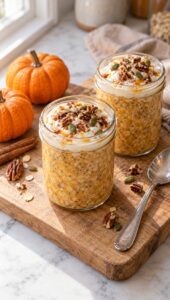
Pumpkin pie in a jar! These creamy overnight oats pack about 31g of protein from Greek yogurt and vanilla protein powder. Stir them together tonight and breakfast is waiting.
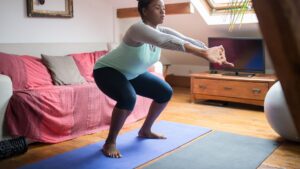
When the clocks fall back, motivation can dip, and that’s okay. Here are simple tweaks to keep your workouts, meals and self-care on track all season long.

Craving something warm and sweet? This cinnamon apple mug cake is ready in about 5 minutes, tastes like apple pie, and packs about 32g of protein. Dessert that works with your goals!