

 Why Rest is Critical: Without sufficient rest, your muscles can become overworked, leading to a higher risk of injury and diminished performance. Rest days give your body time to heal, repair, and come back stronger for your next workout.
Signs of Overtraining: If you feel constantly fatigued, notice a decline in your workout performance, or experience frequent muscle soreness that doesn’t go away, these are signs that your body may need more rest.
Maximize Your Potential: Rather than viewing rest days as a setback, think of them as an opportunity for your body to rebuild energy and strength, which can help you perform at your peak when you hit the gym again.
Allow Time for Healing: Taking a day or two off each week helps reduce the risk of these overuse injuries, keeping you healthy and able to stick to your fitness routine long-term.
Mental Rejuvenation: Rest days provide a mental reset, giving you time to unwind and come back to your workouts with a refreshed mindset and renewed motivation.

5–15 Minute Recipes for Women
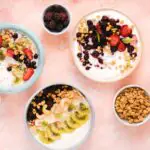
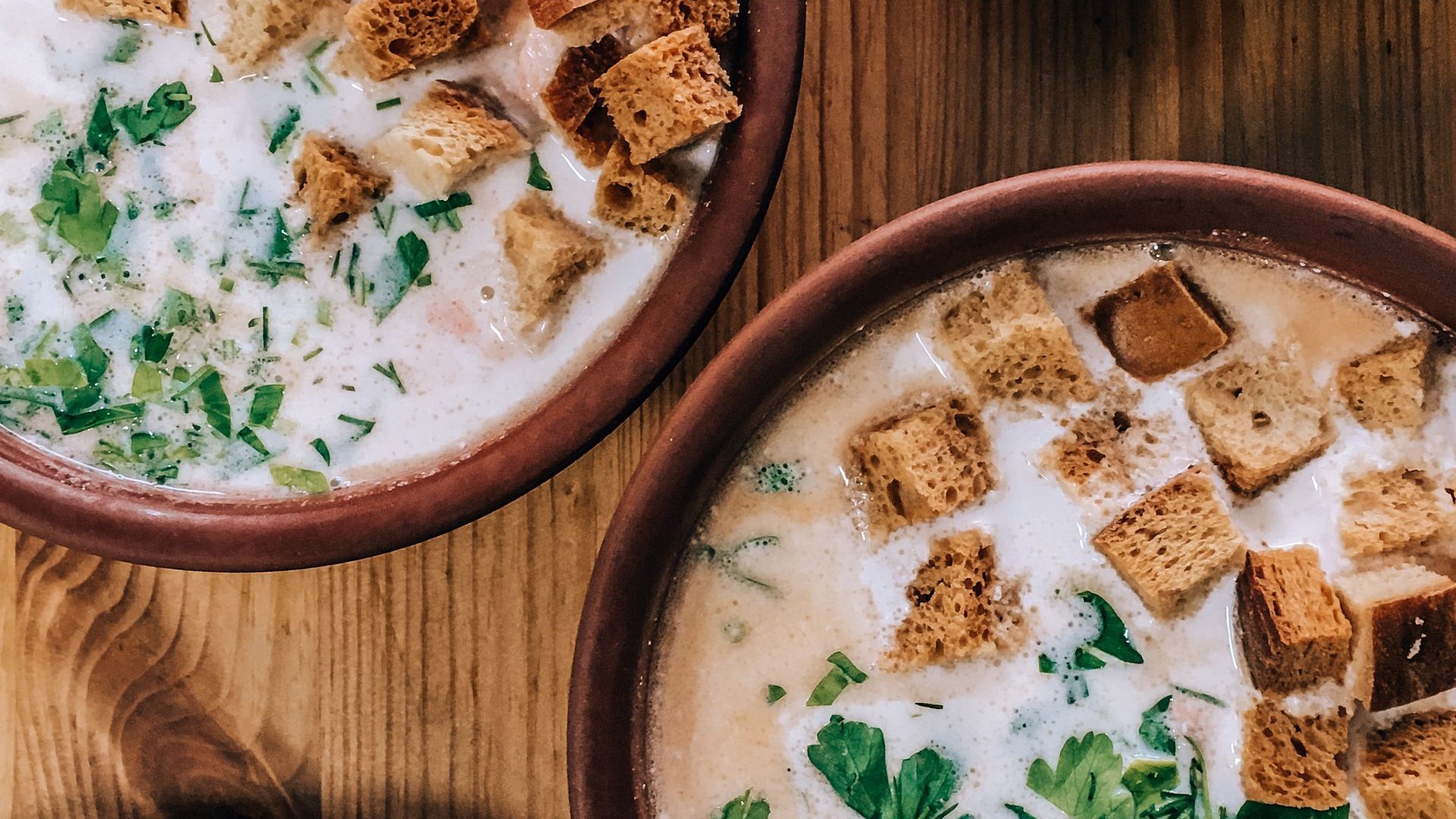
5–15 minute recipes for women are the ones that save the week: a five-minute breakfast, a ten-minute soup, a dinner you assemble instead of cook. This guide collects the fastest recipes we have on Custom Curves — every one ready in fifteen minutes or less, plus a few make-ahead ones that take only a few minutes of your time. The times come from the recipes themselves, so what you see is what you get: no “quick” recipe that secretly takes an hour. If you are short on time tonight, start with the under-10-minute section. Dinner is closer than you think. New here? Start with our complete guide: Healthy Recipes for Women. Under 10 minutes: faster than takeout These are the fastest recipes on the site. If you have ten minutes, you have dinner. 5-minute grilled brussel sprouts Five minutes, from the title — our 5-minute grilled brussel sprouts are the side dish that is faster than ordering in. They work next to almost any main, and they are the proof that a vegetable side does not need half an hour. Avocado toast with poached egg Avocado toast is a five-minute breakfast that works just as well as a light lunch: avocado, a poached egg, and whole-grain bread. Use whole-grain bread for a little more fibre, keep the avocado generous, and add the egg for protein. It is filling without feeling heavy. Quick and super easy cucumber and hummus No cooking, just assembly — our quick and super easy cucumber and hummus is a snack or light lunch you can put together in minutes. Cucumber, hummus, and whatever crunchy vegetables you have in the fridge. 10–15 minutes: real dinners, fast Ten to fifteen minutes is enough for a proper dinner, as long as the recipe is built for speed. These are. 10-minute lentil soup Our 10-minute lentil soup is on the table in ten minutes, and lentils are one of the highest-fibre — and highest-protein — plant foods we cook with. It is the dinner to make when you get home hungry and do not want to think. Chili-lime shrimp bowl Our chili-lime shrimp bowl is a light, fresh bowl that comes together fast — shrimp cooks in minutes, and the bowl is mostly assembly. Pair it with brown rice or quinoa instead of white rice for a little more fibre, and add avocado if you like. Make it your own: swap the shrimp for crispy tofu or chickpeas and the same bowl is vegetarian. Black bean crunch wraps Our black bean crunch wraps are a wrap you can build in minutes — beans, crunchy vegetables, and a whole-grain wrap, with avocado if you have it. They are a lunch you will actually look forward to, and they travel well for work or school. Make it your own: skip the cheese and use a plant-based spread, and the wrap is vegan. Coconut caramel macchiato Not dinner, but the five-minute treat that makes the afternoon better: our vegan coconut caramel macchiato is a homemade coffee-shop drink, dairy-free, made in minutes. Make it tonight, grab it tomorrow The fastest breakfast is the one you made last night. These recipes take a few minutes of your time in the evening, and zero minutes in the morning. Overnight oats Our vegan overnight oats with nuts and seeds are made the night before and ready when you wake up — oats, nuts, and seeds, no cooking. If you want more protein, our high-protein pumpkin spice overnight oats have 31 grams of protein and about 8 grams of fibre per serving, made the same way. Chocolate chia seed pudding Chia seeds are about 10 grams of fibre per ounce, and pudding makes them feel like dessert. Mix our chocolate chia seed pudding the night before, chill it, and grab it in the morning or as an afternoon snack. Strawberry yogurt bites Our strawberry yogurt bites are a yogurt-based snack for busy afternoons — make a batch, keep them cold, and grab a few when you need something between meals. 10 minutes of prep, the oven does the rest Some recipes take longer in total but only ten minutes of your time. This one is worth the wait — and the guide says so clearly, so the title promise stays honest. Crustless pumpkin pie cups Our crustless pumpkin pie cups take 10 minutes of prep — then 22–25 minutes in the oven and an hour to chill, while you do something else. They make 12 cups, at about 70 calories each, with about 3 grams of protein and about 7 grams of sugar (about 2 grams with monk fruit sweetener). Greek yogurt makes them creamy, almond flour keeps them gluten-free, and they keep up to 3 days ahead, so bake them on Sunday and dessert is done for the week. Quick snacks: grab-and-go ideas When you have no time at all, snacks are the answer. Our healthy grab-and-go snacks post is a full roundup of quick, nourishing bites for busy days — use it alongside the snacks in this guide. A few more quick snacks from this guide: Strawberry yogurt bites — a yogurt-based snack for busy afternoons Healthy chewy high-fibre flaxseed cookies — flaxseed in a snack you will actually want to eat; bake a batch and keep them in a tin Greek yogurt with berries, nuts, and honey — two minutes, no cooking, protein and fibre in one bowl What to keep on hand for fast cooking Fast cooking is mostly a stocked kitchen. If these are in the house, any recipe in this guide is fifteen minutes away: Eggs and Greek yogurt — the two fastest proteins, for breakfasts, snacks, and sauces. Canned beans and lentils — black beans, white beans, chickpeas, and lentils. Rinse and they are ready; no soaking, no long cook. Oats and chia seeds — overnight oats and chia pudding are made the night before, so the morning is free. Bread and wraps — avocado toast, black bean wraps, and
Vegan & Vegetarian Recipes for Women
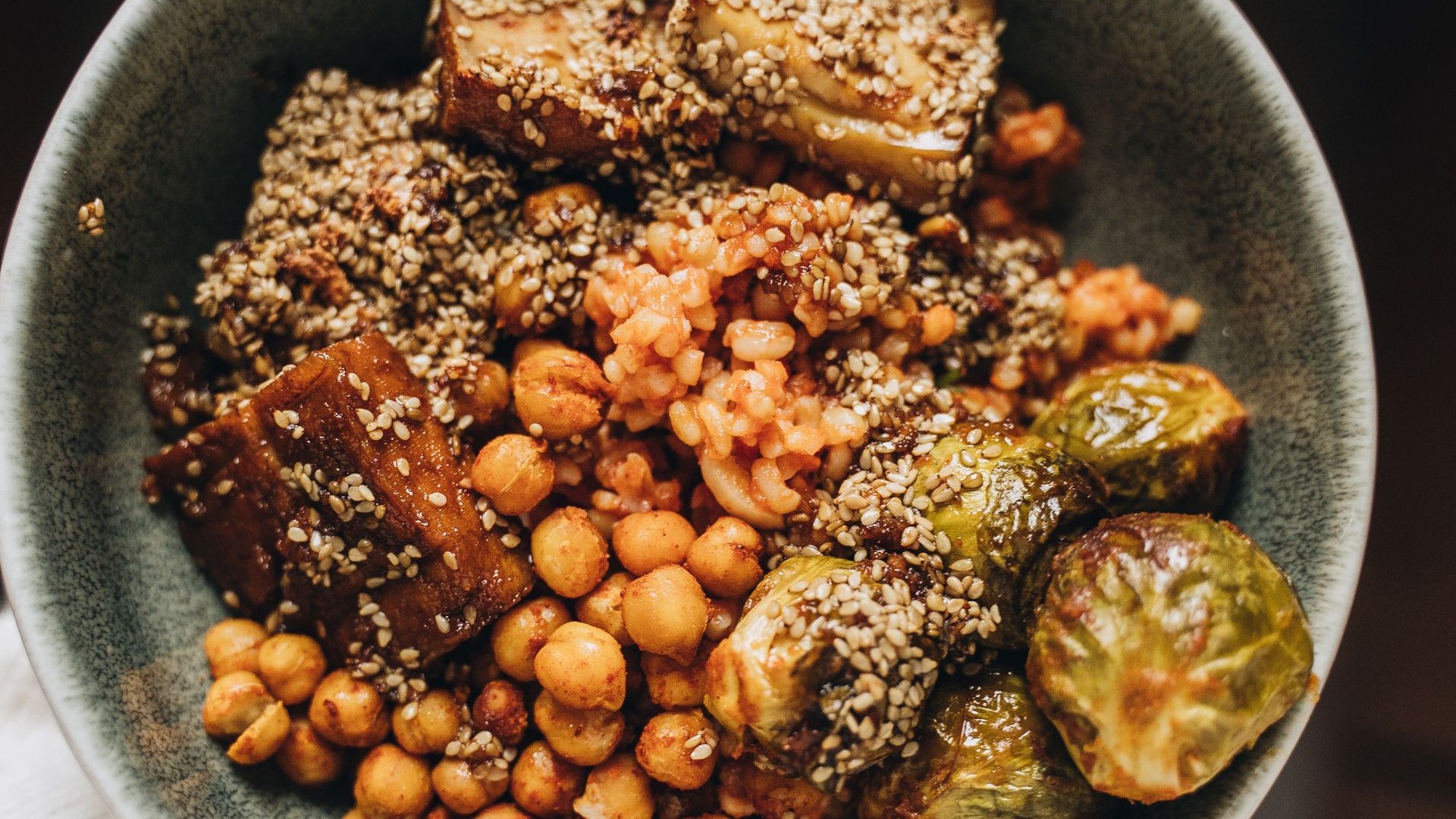
Vegan and vegetarian recipes for women do not have to mean a salad for dinner and a lecture with it. They mean real food — oats and pancakes for breakfast, chickpea patties and wraps for lunch, pasta and chilli for dinner — built on beans, lentils, tofu, and grains that keep you full. This guide gathers the vegan, vegetarian, and pescatarian recipes we already cook on Custom Curves, with the swaps that let one recipe fit every eater at the table. If you are new to plant-based eating, start with one meal, not a whole new diet. A vegan breakfast is the easiest place to begin. New here? Start with our complete guide: Healthy Recipes for Women. Vegan vs. vegetarian vs. plant-based — what is the difference? The words get mixed up, so here is the short version from our own guide on the topic: vegan means no animal products at all, vegetarian means no meat or fish but usually includes dairy and eggs, and plant-based usually means a diet centred on plants, with room for flexibility. You do not have to pick a label to cook from this guide — every recipe below says clearly whether it is vegan, vegetarian, or pescatarian, and the “make it your own” section shows the swaps. Vegan breakfasts: the easiest place to start Breakfast is where vegan eating is simplest, because oats, fruit, and tofu do the work for you. Overnight oats (make it the night before) Our vegan overnight oats with nuts and seeds are the simplest version — oats, nuts, and seeds, ready when you wake up. Top with raspberries or a sliced pear for a few more grams of fibre, and a spoonful of chia seeds stirred in adds fibre with almost no effort. Fluffy vegan blueberry protein pancakes Pancakes that are fully vegan and still pack protein — our fluffy vegan blueberry protein pancakes are the weekend breakfast for plant-based eaters. Make a double batch and freeze the extras for busy weekday mornings. Tofu scramble with spinach and mushrooms Our tofu scramble with spinach and mushrooms is the vegan answer to scrambled eggs — savoury, filling, and endlessly customisable. Add toast and fruit and it is a full breakfast. Vegan butter for cooking and baking A good vegan butter makes everything else easier. Our vegan oil-free butter works for cooking and baking, so you can make your favourite recipes dairy-free without buying a special product for every dish. Vegan lunches & dinners: beans, grains, and pasta Lunch and dinner are where plant-based eating proves itself — these are filling, family-friendly meals, not side dishes. Vegan chilli soup Our vegan chilli soup is a one-pot dinner built on beans and vegetables — hearty, warming, and easy to batch-cook. Make a big pot on Sunday and eat it for three days. Green goddess vegan pasta Our green goddess vegan pasta is the creamy pasta that happens to be vegan — greens, herbs, and a plant-based sauce, with no dairy at all. It is the dinner to cook when someone at the table says vegan food is boring. Crispy vegan taquitos Our crispy vegan taquitos are the fun dinner — crunchy, dippable, and easy to make in a big batch for a crowd. Serve with salsa and guacamole and let everyone build their own. Vegan meal prep, planned for you If you want a full week of vegan eating planned out, our 10 easy vegan meal prep ideas post has it — ten ideas that are quick, easy, and built for busy schedules. Pair it with our plant-based protein post below and you will never wonder where the protein is coming from. Vegetarian mains: eggs, dairy, and beans Vegetarian cooking on this site leans on the same beans and grains as the vegan recipes, with eggs and dairy where they help. Mediterranean lemon chickpea patties with yogurt sauce Our Mediterranean lemon chickpea patties with yogurt sauce are a perfect vegetarian lunch: chickpeas for fibre and protein, yogurt sauce for live cultures, and lemon and herbs for flavour. Make a batch on Sunday and reheat them through the week — they hold up well in a lunchbox with a simple salad. Make it your own: swap in a plant-based yogurt and the whole plate is vegan. Black bean crunch wraps Beans are the shortcut to a filling vegetarian lunch, and our black bean crunch wraps turn them into a lunch you will actually look forward to — beans, crunchy vegetables, and a whole-grain wrap. Add avocado if you have it, and a side of fruit with the skin on. Make it your own: skip the cheese and use a plant-based spread, and the wrap is vegan. Healthy chewy high-fibre flaxseed cookies Our flaxseed cookies are a vegetarian snack built on flaxseed — one of our highest-fibre foods — in a cookie you will actually want to eat. Bake a batch for the week and keep them in a tin by the kettle. Vegetarian recipes for healthy weight loss If you want more vegetarian ideas in one place, our delicious vegetarian recipes for healthy weight loss post is a full roundup — use it as the starting point for a meat-free week, and come back here for the individual recipes. Pescatarian: fish and seafood mains If you eat fish, these are the lightest dinners on the site — and they live in this guide because they fit the same table as the vegetarian recipes. Chili-lime shrimp bowl Our chili-lime shrimp bowl is a light, fresh bowl that works well as a quick dinner. Pair it with brown rice or quinoa instead of white rice for a little more fibre, and add avocado if you like. Make it your own: swap the shrimp for crispy tofu or chickpeas and the same bowl is vegetarian. Baked salmon with roasted vegetables Our baked salmon with roasted vegetables is dinner on one tray — salmon and vegetables, baked together, with almost no cleanup. Salmon is also one
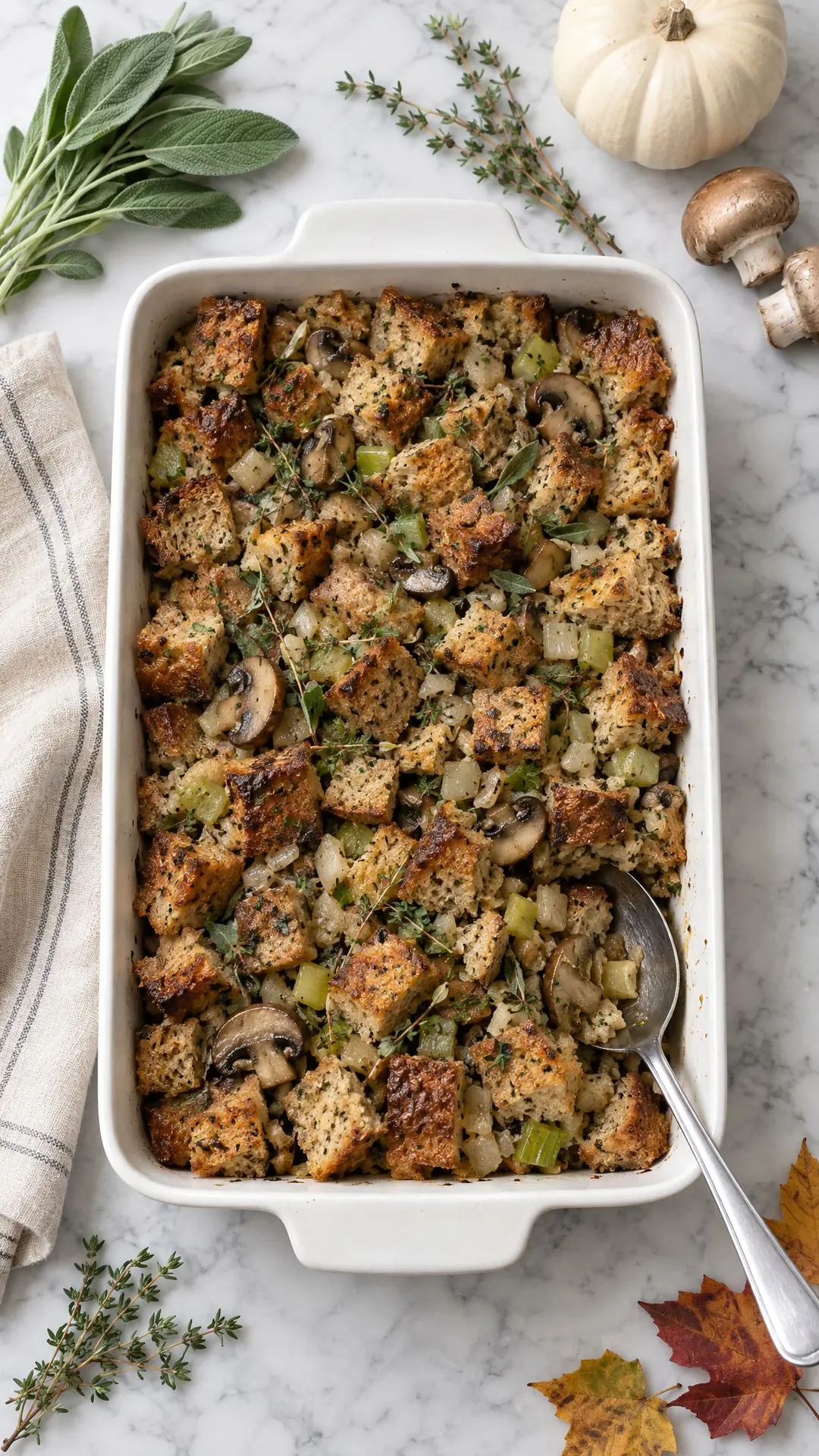
Lighter Herb Stuffing with Whole-Grain Bread
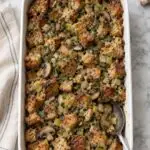
We gave classic Thanksgiving stuffing a lighter makeover with whole-grain bread, mushrooms and lots of fresh herbs. It’s crispy on top, soft in the middle and about 170 calories per serving!
High-Protein Recipes for Women
High-protein recipes for women do not have to mean plain chicken and rice every night. They mean building each meal around a protein source — eggs or yogurt at breakfast, beans or turkey at lunch, fish or chicken at dinner — and letting the rest of the plate follow. This guide gathers the highest-protein recipes we cook on Custom Curves, from 31-gram overnight oats to one-pan skillets, so you can eat for strength, recovery, and staying full without cooking a separate meal from everyone else. If you are new to eating more protein, start with breakfast. It is the easiest win of the day, and the rest follows naturally. New here? Start with our complete guide: Healthy Recipes for Women. How much protein do women actually need? Our protein guide explains the basics plainly: protein provides the amino acids that repair and build muscle tissue after workouts, and for women who strength train regularly, a general guideline is 1.2 to 2.0 grams of protein per kilogram of bodyweight. Two habits matter more than any number: spread your protein through the day instead of saving it all for dinner, and eat some within 30 minutes to 2 hours after a workout, when muscle repair is at its peak. Build each meal around a protein source — Greek yogurt at breakfast, beans at lunch, fish at dinner — and you will get most of the way there without counting anything. The Role of Protein in Muscle Building and Recovery: A Guide for Women You do not need a protein powder to hit those numbers, and you do not need to eat meat at every meal. The recipes below mix animal and plant protein, so there is something here whatever your plate looks like. If you do use protein powder, our guide notes that whey is popular for post-workout recovery because it is quickly absorbed, and that pea, rice, or hemp protein are the plant-based options. Breakfast: high-protein ideas to start the day Breakfast is where most women under-eat protein, and it is the easiest meal to fix — because the fix is made the night before, or in five minutes. Overnight oats (make it the night before) Our high-protein pumpkin spice overnight oats have 31 grams of protein and about 8 grams of fibre per serving, and they are ready when you wake up. If you want a lighter version, our vegan overnight oats with nuts and seeds are the simplest base — add a spoonful of Greek yogurt or a scoop of protein powder and the protein climbs with almost no extra effort. High-Protein Pumpkin Spice Overnight Oats (31g Protein) Vegan Overnight Oats with Nuts & Seeds Greek yogurt protein muffins Our Greek yogurt protein muffins are a bake-ahead breakfast: make a batch on Sunday, grab one on busy mornings. Greek yogurt is the protein powerhouse in our meal-prep guide too — layered with berries, nuts, and honey, or with granola and sliced bananas, it is a breakfast or snack that keeps you full for hours. Greek Yogurt Protein Muffins The ultimate high-protein breakfast bagel Our high-protein breakfast bagel is the weekend version — a proper sit-down breakfast built around protein, for the mornings when you have time to enjoy it. Save it for Saturday, and keep the overnight oats for the weekdays. The Ultimate High-Protein Breakfast Bagel Cinnamon apple protein mug cake A mug cake sounds like dessert, but this one is a protein breakfast in disguise — cinnamon, apple, and protein powder, made in a mug in minutes. It is the one to try when you are bored of eggs and yogurt. Cinnamon Apple Protein Mug Cake Lunch: high-protein ideas that keep you full Lunch is where protein earns its keep — a protein-rich lunch is the difference between a steady afternoon and a 3 p.m. crash. One-pan skillets Our high-protein turkey and butternut squash skillet is the star here: 31 grams of protein and about 9 grams of fibre per serving, thanks to the black beans and squash, all in one pan. The same idea works with any beans-and-squash combination — the beans do the fibre work, the turkey does the protein work, and the pan does the washing-up. High-Protein Turkey & Butternut Squash Skillet (31g) High-protein chicken chili Chili is a batch-cooking classic, and our high-protein chicken chili is built for it — make a big pot, eat it for three days, and freeze the rest. Chili is also one of the meal-prep ideas in our roundup post, which pairs turkey and sweet potato chili with beans and tomatoes for the same make-ahead effect. High-Protein Chicken Chili 10 High Protein Meal Prep Ideas High-protein mac and cheese Comfort food with a protein upgrade. Our high-protein mac and cheese keeps the dish you actually want to eat and builds protein into it, so you do not have to choose between satisfying and sensible. High-Protein Mac and Cheese Dinner: high-protein ideas for the whole family Dinner is the easiest place to add protein without anyone noticing — beans go into soups, turkey goes into skillets, and fish goes on a tray. Creamy Tuscan white bean soup with kale Our Creamy Tuscan White Bean Soup with Kale (No Heavy Cream) has about 17 grams of protein, about 10 grams of fibre, and about 280 kcal per serving, ready in about 40 minutes, with no heavy cream. White beans are the quiet protein hero here — and the soup is vegetarian as written, so it works for mixed tables. Baked salmon with roasted vegetables Salmon is one of the best protein sources we cook with — our protein guide calls fatty fish like salmon rich in protein and omega-3 fatty acids — and baking it with roasted vegetables means dinner is one tray and almost no cleanup. Our meal-prep roundup pairs Baked Salmon with Roasted Vegetables with roasted sweet potatoes and asparagus for the same reason: protein, carbs, and vegetables, all in one dish. Meal-prep ideas from our roundup If