
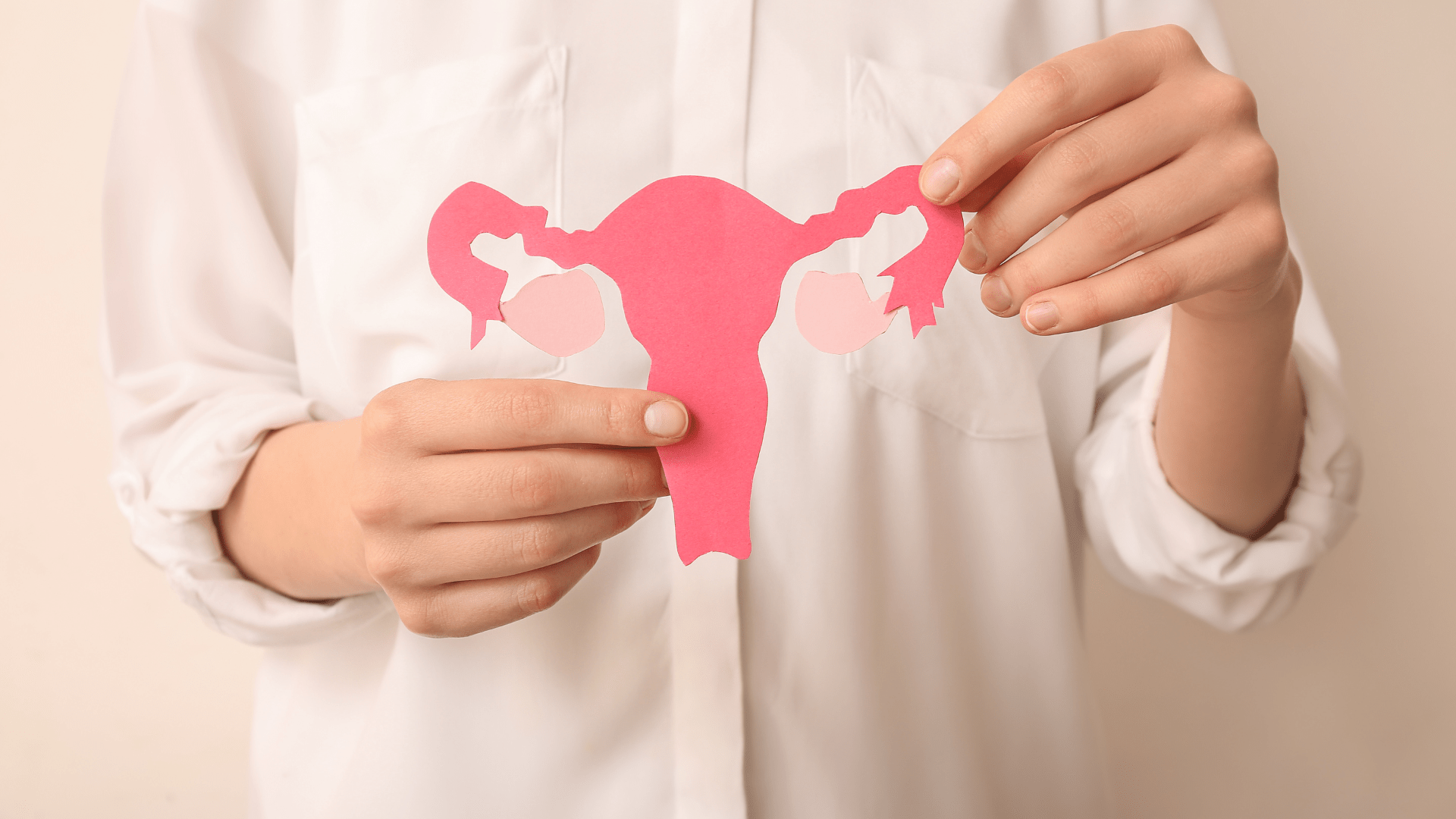
When it comes to health and wellness, understanding the impact of fitness on hormones—particularly estrogen—is essential for women of all ages. Hormones play a pivotal role in regulating various bodily functions, and estrogen is a key player in women’s reproductive health, bone density, and mood.
But how does fitness factor into this delicate hormonal balance? Let’s delve into the science and uncover how exercise influences hormones and estrogen levels.
Exercise isn’t just about building muscle or losing weight; it’s a powerful tool that affects the endocrine system. Physical activity can influence hormone production, secretion, and regulation, impacting everything from stress levels to metabolism. For women, estrogen is a critical hormone, and fitness can directly and indirectly alter its levels.
Engaging in regular, moderate exercise helps maintain healthy estrogen levels. It improves insulin sensitivity and reduces chronic inflammation, both of which contribute to hormonal balance. For women in their reproductive years, moderate exercise can help regulate menstrual cycles and mitigate symptoms of estrogen dominance, such as bloating and mood swings.
While moderate activity supports hormonal balance, excessive high-intensity exercise may lead to a significant drop in estrogen levels. This is particularly relevant for women who engage in extreme endurance activities, such as marathon running. Low estrogen can result in irregular periods, a condition known as hypothalamic amenorrhea. Prolonged estrogen deficiency can also impact bone health and increase the risk of osteoporosis.
Body fat plays a role in estrogen production. Adipose tissue (fat cells) produces estrogen, and excessive body fat can lead to higher estrogen levels, which may increase the risk of estrogen-related conditions like breast cancer. Conversely, very low body fat due to intense exercise or dieting can cause estrogen levels to plummet. Striking a healthy balance through fitness and nutrition is crucial.
Fitness plays a significant role in influencing hormones and estrogen levels. While moderate exercise supports hormonal balance and overall well-being, it’s important to avoid overtraining and maintain a balanced lifestyle. By choosing the right types of exercises and listening to your body, you can harness the power of fitness to optimize your hormonal health and improve your quality of life.
Understanding the connection between fitness, hormones, and estrogen empowers women to make informed choices about their health.

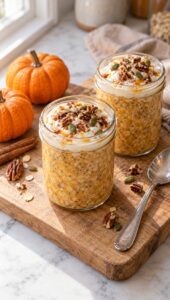
Pumpkin pie in a jar! These creamy overnight oats pack about 31g of protein from Greek yogurt and vanilla protein powder. Stir them together tonight and breakfast is waiting.
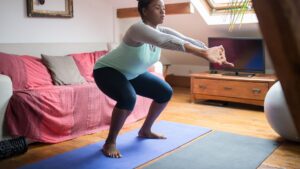
When the clocks fall back, motivation can dip, and that’s okay. Here are simple tweaks to keep your workouts, meals and self-care on track all season long.

Craving something warm and sweet? This cinnamon apple mug cake is ready in about 5 minutes, tastes like apple pie, and packs about 32g of protein. Dessert that works with your goals!
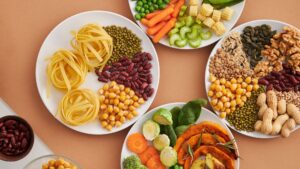
Protein gets the spotlight, but fiber quietly does so much for us. Learn why it matters for women, plus 10 easy, cozy ways to get more every day.

Cozy dinner in one pan! Lean ground turkey, butternut squash and black beans come together in about 35 minutes, with around 31g of protein per serving. Perfect for meal prep, too.
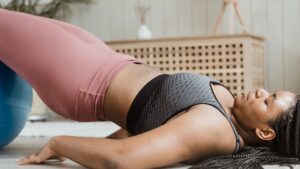
Build stronger, rounder glutes at home! This 12-minute standing booty and hips workout needs no equipment and no floor work, plus 5 tips to help you grow your glutes.
© Custom Curves the Fitness Blog 2024