




Walking for Weight Loss: A 4-Week Plan for Women
Walking for Weight Loss: A 4-Week Plan for Women Ladies, can we give walking the credit it deserves? It’s free, you already know how to do it, it’s gentle on your joints and you can do it almost anywhere. And when it comes to weight loss, a regular walking habit can make a real difference, especially when you pair it with good food and a little consistency. If you’ve been waiting for the “perfect” time to start moving again, this is your sign. This 4-week walking plan for women starts where you are and builds up week by week, so you’re never thrown into the deep end. No gym, no fancy equipment and no video needed. Just a good pair of shoes, a timer and you. Why Walking Works for Weight Loss Walking burns calories, and because it’s easy to recover from, you can do it most days of the week. That’s the secret: the best workout is the one you’ll actually keep doing. A few more reasons to love it: It adds up fast. A brisk 30-minute walk most days is about 150 minutes of movement a week, which is the amount of moderate activity most health guidelines recommend for adults. It’s easy on your body. Walking is low impact, so it’s a great fit if you’re just getting started, coming back after a break or carrying extra weight. It helps with stress. A walk outside is one of the simplest ways to clear your head, and lower stress can make it easier to stick with healthy habits. It helps after meals. A short walk after eating is a nice way to feel less sluggish and support healthy digestion. One honest note: walking works best as part of the bigger picture. Pair it with filling, protein-rich meals, enough sleep and a little strength training, and you’ll feel (and see) the difference. Before You Start Shoes: Wear supportive walking or running shoes. Your feet will thank you. Pace: “Easy” means you can sing. “Brisk” means you can talk in full sentences, but you’re breathing a little harder. “Fast” means you can only say a few words at a time. Timer: Any phone timer or a free interval timer app works for the interval days. Warm up and cool down: Start every walk with 3 to 5 minutes at an easy pace and finish with 3 to 5 minutes easy, followed by a quick calf and hip stretch. Check in with your body: If you have joint pain, a health condition or you’re new to exercise, talk to your doctor before you start a new routine. Your 4-Week Walking Plan Aim for five walking days a week. The plan includes two rest or stretch days, so pick whichever days fit your schedule. Can’t get to all five? Do what you can and keep going. Something always beats nothing. Week 1: Build the Habit This week is all about showing up. Keep it comfortable and focus on making walking part of your day. Days 1, 3 and 5: 20-minute brisk walk Days 2 and 4: 15-minute easy walk (after a meal is perfect) Days 6 and 7: Rest or gentle stretching Goal for the week: 5 walks. That’s it! Check them off and celebrate. Week 2: Add a Little Time Now that you’re in the groove, we’ll add a few minutes and introduce your first interval walk. Days 1 and 5: 25-minute brisk walk Day 3: Interval walk, 25 minutes total: 5 minutes easy, then repeat 1 minute fast + 2 minutes brisk five times, then 5 minutes easy Days 2 and 4: 20-minute easy walk Days 6 and 7: Rest or gentle stretching Week 3: Pick Up the Pace This week you’ll walk a little longer and add hills (or stairs) to work your glutes and legs even more. Day 1: 30-minute brisk walk Day 2: 20-minute easy walk Day 3: Interval walk, 30 minutes total: 5 minutes easy, then repeat 2 minutes fast + 2 minutes brisk five times, then 5 minutes easy Day 4: 20-minute easy walk Day 5: 30-minute hill walk: find a hilly route, or add a few rounds of stairs or a treadmill incline Days 6 and 7: Rest, stretching or a longer, easy stroll with a friend Week 4: Own It Look at you! This week brings your longest walk and your toughest intervals. Go at your own pace and be proud of how far you’ve come. Day 1: 35-minute brisk walk Day 2: 20-minute easy walk Day 3: Interval walk, 30 minutes total: 5 minutes easy, then repeat 3 minutes fast + 1 minute brisk five times, then 5 minutes easy Day 4: 25-minute easy walk Day 5: 45-minute long walk at a brisk pace, with a playlist or podcast you love Days 6 and 7: Rest or gentle stretching Your plan at a glance (screenshot this!): Week 1: 5 walks, 15 to 20 minutes each Week 2: 5 walks, 20 to 25 minutes, plus 1 interval day Week 3: 5 walks, 20 to 30 minutes, plus intervals and hills Week 4: 5 walks, 20 to 45 minutes, including your longest walk yet Walking Form Tips Good form helps you walk faster, longer and more comfortably: Stand tall: Head up, eyes forward, shoulders relaxed and down away from your ears. Use your arms: Bend your elbows to about 90 degrees and let your arms swing naturally from your shoulders. It helps you pick up the pace. Land softly: Strike with your heel and roll through to your toes. Squeeze your core and glutes: A gentle squeeze keeps your posture strong and gets your booty working. Take quicker steps, not longer ones: To speed up, step more often instead of reaching your legs out farther. Make Walking Easier When the Days Get Shorter With the sun setting earlier, it’s easy to let walks slide. A few ideas to keep you moving: Go when it’s light: A walk at lunchtime or first thing in the

High-Protein Pumpkin Spice Overnight Oats
Pumpkin pie in a jar! These creamy overnight oats pack about 31g of protein from Greek yogurt and vanilla protein powder. Stir them together tonight and breakfast is waiting.
Fall Back Without Falling Off: How to Stay Consistent When the Clocks Change
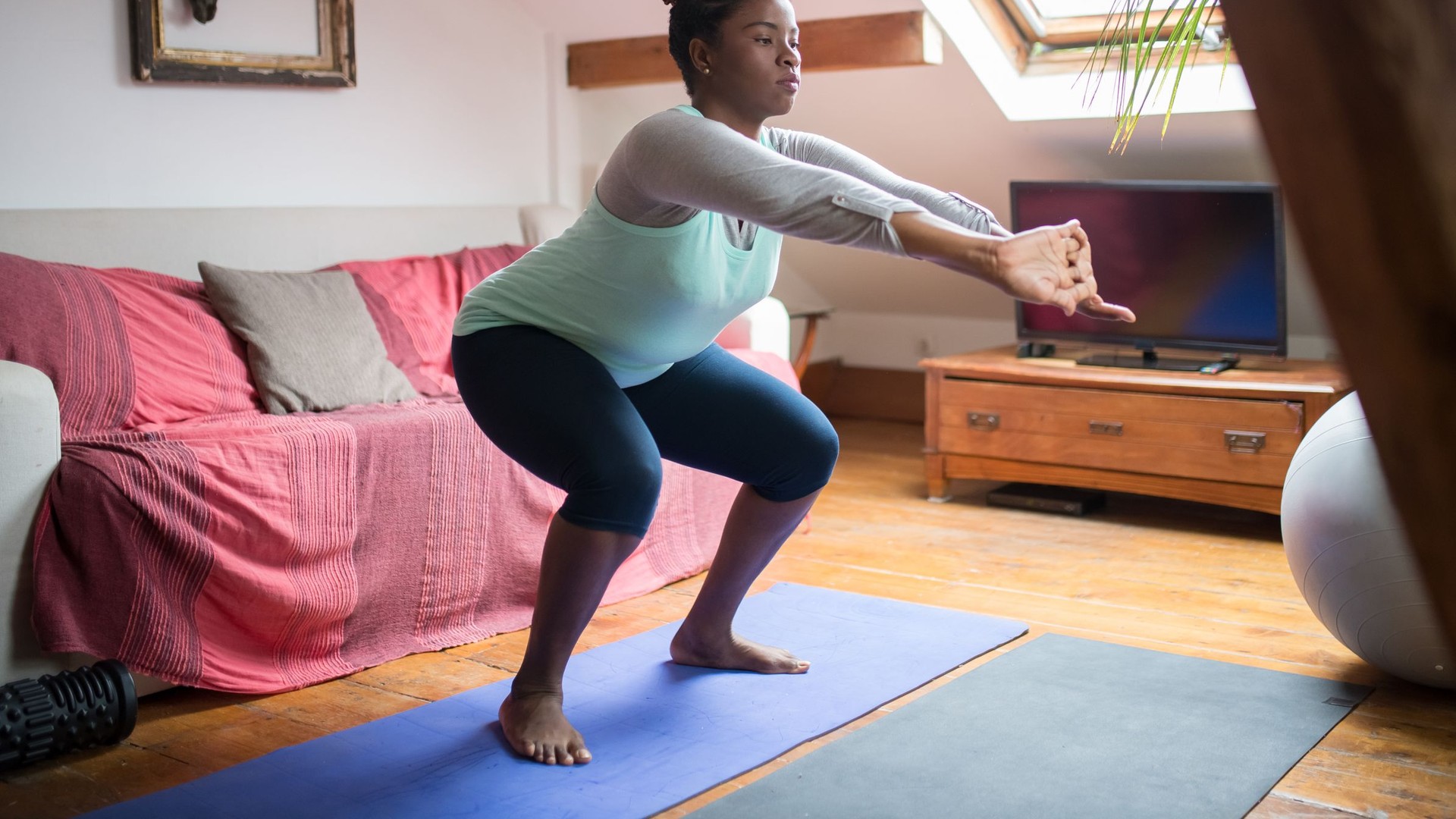
When the clocks fall back, motivation can dip, and that’s okay. Here are simple tweaks to keep your workouts, meals and self-care on track all season long.

Cinnamon Apple Protein Mug Cake
Craving something warm and sweet? This cinnamon apple mug cake is ready in about 5 minutes, tastes like apple pie, and packs about 32g of protein. Dessert that works with your goals!