




Foods to Fight Fatigue and Depression: Boost Your Energy and Mood Naturally

Foods to Fight Fatigue and Depression: Boost Your Energy and Mood Naturally

Have you ever wondered if what you eat could help lift your mood and boost your energy? When it comes to battling fatigue and depression, your diet plays a crucial role. Let’s dive into the world of nutrition and uncover some delicious foods that can help you feel more energized and uplifted.

Why Does Your Diet Matter?

Have you ever wondered why certain foods make you feel energized and happy while others leave you sluggish and down? The link between what we eat and how we think is real and significant. Our diet directly impacts our brain function, mood, and energy levels.

➤ The Connection Between Food and Mood

The Connection Between Food and Mood
  • Brain Function: Consuming foods rich in omega-3 fatty acids, antioxidants, and vitamins enhances neurotransmitter activity in the brain.
  • Mood Stabilization: These nutrients help stabilize blood sugar levels and reduce inflammation, improving mental health.
  • Negative Impact of Unhealthy Foods: Diets high in sugar and processed foods can cause blood sugar fluctuations, leading to mood swings and energy crashes.
  • Balanced Mood: Eating the right foods helps maintain a balanced mood and steady energy levels throughout the day.
  • Managing Symptoms: Choosing nourishing foods can help manage and potentially alleviate symptoms of fatigue and depression.

➤ Nutrients That Boost Energy and Mood

  • Omega-3 Fatty Acids: Essential fats found in high concentrations in the brain are crucial for cognitive function and mental health, reduce inflammation, and alleviate symptoms of depression.
  • B Vitamins: Including B6, B12, and folate, these vitamins play a vital role in energy production and brain function, supporting the production of neurotransmitters that regulate mood.
  • Magnesium helps regulate muscle and nerve function, blood sugar levels, and blood pressure; supports energy production at the cellular level; and reduces symptoms of anxiety and depression.
  • Antioxidants: Found in various fruits and vegetables, they protect the brain from oxidative stress and inflammation, which can negatively impact mood and energy levels.


Ensuring that your diet includes these vital nutrients can create a strong foundation for better mental and physical health.

Top Foods to Fight Fatigue and Depression

Top Foods to Fight Fatigue and Depression

When you’re tired and down, what you eat can make a huge difference in lifting your mood and boosting your energy. Let’s explore some of the top foods that can help combat fatigue and depression, ensuring you feel your best daily.

➤ Fatty Fish

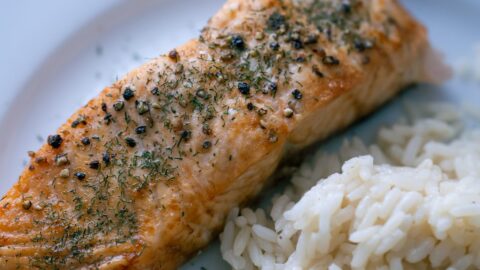
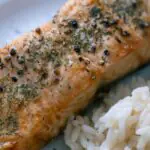
Fatty fish like salmon, mackerel, and sardines are some of the best foods to include if you fight fatigue and depression. These fish are rich in omega-3 fatty acids, crucial for brain health.

  • Benefits: Omega-3s help reduce inflammation throughout the body and brain, which can alleviate symptoms of depression. Studies have shown that people who consume higher amounts of omega-3s have lower rates of depression and anxiety.
  • Nutrient-Rich: Fatty fish is also a great source of protein and essential nutrients like vitamin D, which is linked to mood regulation and mental health.
  • How to Enjoy: These fish can be grilled, baked, or added to salads for a nutritious meal. Incorporating fatty fish into your diet a few times a week can significantly affect your mental and physical well-being.

➤ Dark Chocolate

Who doesn’t love a little chocolate? Dark chocolate, in particular, is a delightful treat and a powerful mood booster.

  • Mood Booster: It’s packed with antioxidants, specifically flavonoids, which have been shown to improve brain function and enhance mood. These antioxidants help reduce oxidative stress and inflammation in the brain, which can contribute to feelings of depression.
  • Natural Stimulants: Dark chocolate contains caffeine and theobromine, natural stimulants that can provide a quick energy boost and improve focus.
  • How to Enjoy: Eating a small piece of dark chocolate as a snack, incorporating it into desserts, or melting it over fruits can be a delicious way to improve your mood and energy levels. Remember to choose high-quality dark chocolate with a high cocoa content for the best benefits.

➤ Leafy Greens

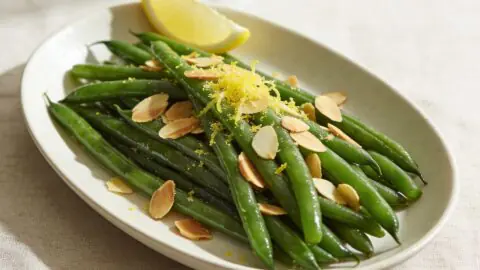
Leafy greens like spinach, kale, and Swiss chard are nutritional powerhouses that can help combat fatigue and depression.

  • Nutrient-Rich: These greens are rich in B vitamins and magnesium, crucial for energy production and mental well-being. B vitamins play a key role in converting the food you eat into energy, and they support the production of neurotransmitters that regulate mood.
  • Magnesium Benefits: Magnesium is essential for muscle and nerve function and helps regulate the body’s stress response. Low magnesium levels have been linked to increased anxiety and depression.
  • How to Enjoy: Leafy greens can be enjoyed in salads, smoothies, or sautéed as a side dish. By making them a regular part of your diet, you can boost your energy levels and improve your mood naturally.

➤ Nuts and Seeds

Nuts and seeds, such as almonds, walnuts, and flaxseeds, are excellent healthy fats, protein, and magnesium sources.

  • Energy Sustainers: These nutrient-dense foods provide a steady energy source and are perfect for daily snacking. The healthy fats in nuts and seeds support brain health and can help improve mood and cognitive function.
  • Mood Regulation: Magnesium, found in high amounts in nuts and seeds, is crucial in regulating mood and energy levels. It helps calm the nervous system and can reduce symptoms of anxiety and depression.
  • How to Enjoy: You can enjoy them as a snack, add them to yogurt, or sprinkle them over meals for an added crunch. Including nuts and seeds in your diet can help you maintain steady energy levels and improve your overall mental health.

➤ Berries

Berries like blueberries, strawberries, and raspberries are delicious and packed with nutrients that can help fight fatigue and depression.

  • Antioxidant-Rich: These colorful fruits are rich in antioxidants and vitamins that protect the brain from oxidative stress and inflammation. Oxidative stress can damage cells and contribute to feelings of fatigue and depression.
  • Immune Support: Berries also contain vitamins C and E, which support immune function and overall health.
  • How to Enjoy: To reap their benefits, enjoy berries in smoothies, on top of cereals, or as a fresh snack. Including various berries in your diet can help protect your brain health and improve your mood naturally.

➤ Whole Grains

Whole grains such as oatmeal, brown rice, and quinoa are fantastic for providing a steady release of energy throughout the day.

  • Energy Providers: These grains are high in B vitamins, which are essential for converting food into energy. B vitamins also play a crucial role in brain function and mood regulation.
  • Blood Sugar Stabilizers: Whole grains have a low glycemic index, releasing glucose slowly into the bloodstream, preventing energy crashes, and keeping you fuller for longer.
  • How to Enjoy: Including whole grains in your meals, such as in breakfast bowls, salads, or as a side dish, can provide lasting energy and support overall mental well-being.

Incorporating These Foods into Your Diet

Simple Meal Ideas

➤ Simple Meal Ideas

Incorporating these foods to fight fatigue and depression into your daily diet doesn’t have to be complicated.

Here are some simple meal ideas to help you get started:

  • Breakfast: Start your day with Greek yogurt topped with berries and a sprinkle of flaxseeds. This combination provides a good mix of protein, healthy fats, and antioxidants to kickstart your day with energy.
  • Lunch: Enjoy a quinoa salad with leafy greens, nuts, and grilled salmon. This meal is packed with omega-3s, B vitamins, and magnesium, all supporting brain health and energy levels.
  • Dinner: Try a brown rice stir-fry with a mix of colorful vegetables and tofu. This dish provides a steady release of energy and is rich in vitamins and minerals that support mental well-being.
  • Snacks: Keep it simple with dark chocolate, almonds, or a green smoothie with spinach and fruit. These snacks are easy to prepare, providing quick energy boosts and mood-enhancing nutrients.

➤ Tips for Success

To make the most of these foods to fight fatigue and depression, consider the following tips:

  • Plan Ahead: Preparing your meals in advance ensures you always have healthy options, making it easier to stick to your dietary goals.
  • Stay Hydrated: Drinking plenty of water supports overall energy levels and mental clarity. Aim to drink at least eight glasses of water a day.
  • Mix It Up: Incorporate various foods into your diet to keep your meals exciting and ensure you get a broad range of nutrients.

Conclusion

Eating the right foods can significantly impact your energy levels and mood. By incorporating these foods to fight fatigue and depression into your diet, you can proactively improve your mental and physical well-being.

Remember, a balanced diet is a critical component
of a healthy lifestyle. 
So, why start today and enjoy
feeling more energized and uplifted?

Share:

Facebook
Pinterest
Email
On Key

Related Posts

Grilled salmon fillet with steamed rice and herbs

Vitamin D for Women: The Complete Guide to Stronger Muscles, Healthier Bones, and the Winter Problem

Vitamin D for Women: The Complete Guide to Stronger Muscles, Healthier Bones, and the Winter Problem If you train regularly, eat well, and still feel like your energy and strength are not quite where they should be, vitamin D is worth a look. It is one of the few vitamins that affects your muscles, your bones, and your immune system all at once, and it is also one of the easiest to run low on — especially in winter, when the sun is weak and most of us spend our days indoors. Our Best Vitamins for Muscle Growth hub gives vitamin D one line: it supports muscle strength and function. This guide goes much deeper — how much you need, which foods carry real amounts, why winter is the hard season, how to know if you are low, and when a supplement makes sense — all with numbers from the NIH Office of Dietary Supplements. What Vitamin D Actually Does Vitamin D is a fat-soluble vitamin, which means your body stores it in fat and absorbs it best alongside food that contains some fat. It is unusual among vitamins because your body can also make it: when ultraviolet (UV) rays from sunlight hit bare skin, they trigger vitamin D production. According to the NIH Office of Dietary Supplements, vitamin D helps your body absorb calcium, one of the main building blocks for strong bones. Together with calcium, it helps protect you from osteoporosis, a condition that thins and weakens bones and makes them more likely to break — a real concern for women, since millions of older women are living with osteoporosis or at risk of it. But vitamin D does more than look after bones: your muscles need it to move, your nerves need it to carry messages between your brain and your body, and your immune system needs it to fight off bacteria and viruses. For women who train, the muscle connection matters most. A shortage of vitamin D may lead to weak, painful muscles, and a real deficiency in adults can cause osteomalacia, a disorder that brings bone pain and muscle weakness. A supplement will not magically add strength — training, protein, and sleep do that — but being low can quietly work against your progress in the gym. Our complete Strength Training for Women guide covers the training side; this post covers the nutrition side. One honest note on mood: some studies link low vitamin D levels with a higher risk of depression, but clinical trials show supplements do not prevent or ease depression symptoms. Do not count on a supplement to fix your mood or energy — that is a conversation for your doctor, not a vitamin bottle. How Much Vitamin D Do You Need? The amount of vitamin D you need each day depends on your age. The NIH Office of Dietary Supplements publishes the recommended dietary allowances (RDAs) set by the Food and Nutrition Board, and they are the same for women and men: Life stage Recommended amount Women 19–70 years 15 mcg (600 IU) Women 71 years and older 20 mcg (800 IU) Pregnant or breastfeeding women 15 mcg (600 IU) One microgram (mcg) equals 40 IU, so 15 mcg is 600 IU and 20 mcg is 800 IU. These amounts meet the needs of nearly all healthy people, and they assume minimal sun exposure — exactly the situation most of us are in during winter. There is also a ceiling. The tolerable upper intake level (UL) for adults 19 and older is 100 mcg (4,000 IU) per day from all sources combined — food, drinks, and supplements. That is a safety limit, not a target. More is not automatically better, and your doctor may only recommend doses above that limit for a short time to treat a confirmed deficiency. One labelling note: the Daily Value on food labels is 20 mcg (800 IU), a reference number, not the RDA — so do not be confused if a carton shows a different number from the ones above. The Best Food Sources of Vitamin D Here is the awkward truth about vitamin D and food: very few foods naturally contain it. According to the NIH, fortified foods provide most of the vitamin D in American diets. That is why the list below is a mix of a few strong natural sources and a lot of fortified everyday foods. Amounts are from the NIH Office of Dietary Supplements. Food Serving Vitamin D Cod liver oil 1 tablespoon 1,360 IU (34 mcg) Trout (rainbow), farmed, cooked 3 ounces 645 IU (16.2 mcg) Salmon (sockeye), cooked 3 ounces 570 IU (14.2 mcg) Mushrooms, white, exposed to UV light 1/2 cup sliced 366 IU (9.2 mcg) Milk, fortified 1 cup 120 IU (2.9 mcg) Soy, almond, or oat milk, fortified 1 cup 100–144 IU (2.5–3.6 mcg) Breakfast cereal, fortified 1 serving 80 IU (2 mcg) Sardines, canned in oil 2 sardines 46 IU (1.2 mcg) Egg, large 1 scrambled 44 IU (1.1 mcg) Beef liver 3 ounces 42 IU (1 mcg) Tuna, light, canned in water 3 ounces 40 IU (1 mcg) Cheddar cheese 1.5 ounces 17 IU (0.4 mcg) A few things to notice. Fatty fish — trout, salmon, tuna, and mackerel — are among the best natural sources, and one serving of salmon covers almost the whole daily target. Milk is fortified with about 120 IU per cup, and many plant-based milks are fortified to a similar level, but cheese and ice cream usually are not. In practice, most women get vitamin D from a combination: a fortified food or two each day, plus fish once or twice a week, plus whatever sun they get. Our Weight Gain Food List for Women has more ideas for building these foods into everyday meals, and our High-Protein Recipes for Women includes salmon, tuna, and egg dishes that pull double duty for protein and vitamin D. The Sun, and Why Winter Changes Everything Your body makes vitamin

Close-up of a woman shifting her weight through her feet on an exercise mat.

10-Minute Standing Balance Workout at Home

We’re taking balance practice to the kitchen counter with four supported moves you can do in ten minutes. We’ll show you how to make each move easier without giving up your handhold.