
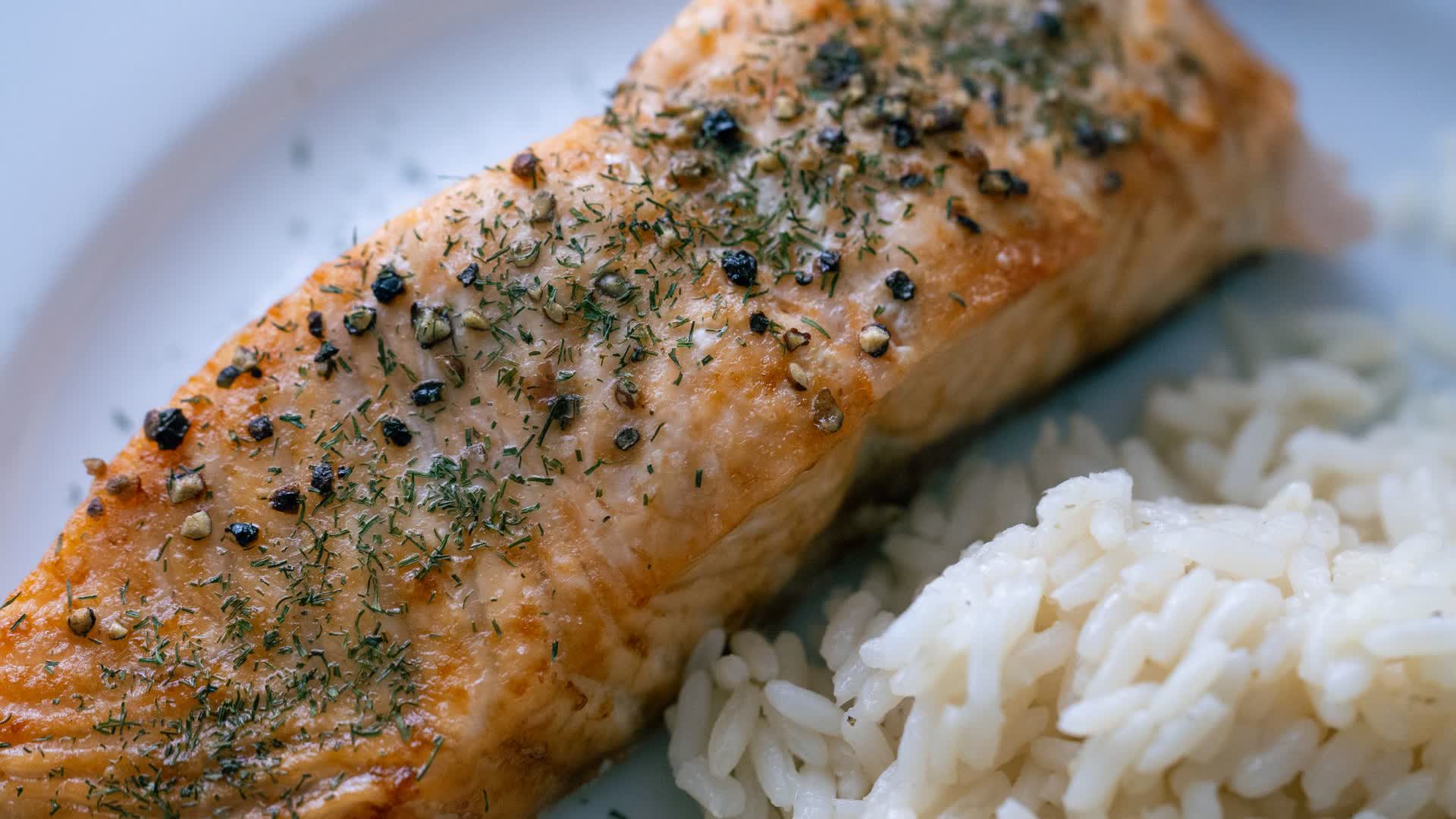
Vitamin D for Women: The Complete Guide to Stronger Muscles, Healthier Bones, and the Winter Problem If you train regularly, eat well, and still feel like your energy and strength are not quite where they should be, vitamin D is worth a look. It is one of the few vitamins that affects your muscles, your bones, and your immune system all at once, and it is also one of the easiest to run low on — especially in winter, when the sun is weak and most of us spend our days indoors. Our Best Vitamins for Muscle Growth hub gives vitamin D one line: it supports muscle strength and function. This guide goes much deeper — how much you need, which foods carry real amounts, why winter is the hard season, how to know if you are low, and when a supplement makes sense — all with numbers from the NIH Office of Dietary Supplements. What Vitamin D Actually Does Vitamin D is a fat-soluble vitamin, which means your body stores it in fat and absorbs it best alongside food that contains some fat. It is unusual among vitamins because your body can also make it: when ultraviolet (UV) rays from sunlight hit bare skin, they trigger vitamin D production. According to the NIH Office of Dietary Supplements, vitamin D helps your body absorb calcium, one of the main building blocks for strong bones. Together with calcium, it helps protect you from osteoporosis, a condition that thins and weakens bones and makes them more likely to break — a real concern for women, since millions of older women are living with osteoporosis or at risk of it. But vitamin D does more than look after bones: your muscles need it to move, your nerves need it to carry messages between your brain and your body, and your immune system needs it to fight off bacteria and viruses. For women who train, the muscle connection matters most. A shortage of vitamin D may lead to weak, painful muscles, and a real deficiency in adults can cause osteomalacia, a disorder that brings bone pain and muscle weakness. A supplement will not magically add strength — training, protein, and sleep do that — but being low can quietly work against your progress in the gym. Our complete Strength Training for Women guide covers the training side; this post covers the nutrition side. One honest note on mood: some studies link low vitamin D levels with a higher risk of depression, but clinical trials show supplements do not prevent or ease depression symptoms. Do not count on a supplement to fix your mood or energy — that is a conversation for your doctor, not a vitamin bottle. How Much Vitamin D Do You Need? The amount of vitamin D you need each day depends on your age. The NIH Office of Dietary Supplements publishes the recommended dietary allowances (RDAs) set by the Food and Nutrition Board, and they are the same for women and men: Life stage Recommended amount Women 19–70 years 15 mcg (600 IU) Women 71 years and older 20 mcg (800 IU) Pregnant or breastfeeding women 15 mcg (600 IU) One microgram (mcg) equals 40 IU, so 15 mcg is 600 IU and 20 mcg is 800 IU. These amounts meet the needs of nearly all healthy people, and they assume minimal sun exposure — exactly the situation most of us are in during winter. There is also a ceiling. The tolerable upper intake level (UL) for adults 19 and older is 100 mcg (4,000 IU) per day from all sources combined — food, drinks, and supplements. That is a safety limit, not a target. More is not automatically better, and your doctor may only recommend doses above that limit for a short time to treat a confirmed deficiency. One labelling note: the Daily Value on food labels is 20 mcg (800 IU), a reference number, not the RDA — so do not be confused if a carton shows a different number from the ones above. The Best Food Sources of Vitamin D Here is the awkward truth about vitamin D and food: very few foods naturally contain it. According to the NIH, fortified foods provide most of the vitamin D in American diets. That is why the list below is a mix of a few strong natural sources and a lot of fortified everyday foods. Amounts are from the NIH Office of Dietary Supplements. Food Serving Vitamin D Cod liver oil 1 tablespoon 1,360 IU (34 mcg) Trout (rainbow), farmed, cooked 3 ounces 645 IU (16.2 mcg) Salmon (sockeye), cooked 3 ounces 570 IU (14.2 mcg) Mushrooms, white, exposed to UV light 1/2 cup sliced 366 IU (9.2 mcg) Milk, fortified 1 cup 120 IU (2.9 mcg) Soy, almond, or oat milk, fortified 1 cup 100–144 IU (2.5–3.6 mcg) Breakfast cereal, fortified 1 serving 80 IU (2 mcg) Sardines, canned in oil 2 sardines 46 IU (1.2 mcg) Egg, large 1 scrambled 44 IU (1.1 mcg) Beef liver 3 ounces 42 IU (1 mcg) Tuna, light, canned in water 3 ounces 40 IU (1 mcg) Cheddar cheese 1.5 ounces 17 IU (0.4 mcg) A few things to notice. Fatty fish — trout, salmon, tuna, and mackerel — are among the best natural sources, and one serving of salmon covers almost the whole daily target. Milk is fortified with about 120 IU per cup, and many plant-based milks are fortified to a similar level, but cheese and ice cream usually are not. In practice, most women get vitamin D from a combination: a fortified food or two each day, plus fish once or twice a week, plus whatever sun they get. Our Weight Gain Food List for Women has more ideas for building these foods into everyday meals, and our High-Protein Recipes for Women includes salmon, tuna, and egg dishes that pull double duty for protein and vitamin D. The Sun, and Why Winter Changes Everything Your body makes vitamin

We’re taking balance practice to the kitchen counter with four supported moves you can do in ten minutes. We’ll show you how to make each move easier without giving up your handhold.
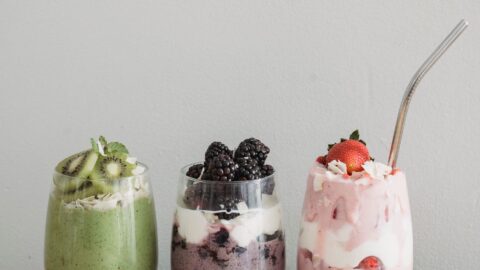
Weight Gain Smoothies for Women If you have ever felt too full to eat another bite but still needed more calories, smoothies are the answer. Drinking your calories is much easier than chewing them, and a well-built shake can carry 600 to 800 calories in a single glass that goes down in minutes. This is a full guide, not just a list of recipes. We will show you the formula for building a high-calorie smoothie, the calorie and protein targets to aim for, the best times to drink one, dairy-free and vegan swaps, and the mistakes that turn a great shake into a sugar bomb. Then you will get seven brand-new recipes with calories and protein for each one. If you want even more ideas, our 2023 post on 5 Weight Gain Shake Recipes has five more, and this guide fits inside our bigger pillar on Healthy Weight Gain for Women. Why Smoothies Work for Weight Gain The hardest part of gaining weight is eating enough, and smoothies solve that problem in three ways. First, liquids are easier to get down than solid food, so you can take in a lot of calories without feeling stuffed. Second, you can pack an enormous amount of nutrition into one glass: protein, healthy fats, carbs, fruit, and even vegetables, all blended together. Third, they are fast. A smoothie takes five minutes to make, which matters on busy mornings or after a workout when you need food quickly. Smoothies also work alongside real meals rather than replacing them. Think of a shake as a calorie helper: one a day on regular days, two on days when your food intake is low. That is usually enough to create the modest surplus of 250 to 500 calories a day that drives healthy weight gain, about half a pound to a pound a week. For the full approach, see our guide on How to Gain Weight Without Junk Food, and for a full week of meals, our High-Calorie High-Protein Meal Plan for Women. The Smoothie-Building Formula Every great weight-gain smoothie follows the same five-part formula. Learn it once and you can build your own shakes forever. Start with a liquid base, about one cup: whole milk, oat milk, coconut milk, or full-fat yogurt thinned with milk. Whole milk and coconut milk carry the most calories, while water and low-fat milk carry the fewest, so choose accordingly. Add protein, aiming for 20 to 30 grams: a scoop of protein powder, half a cup of Greek yogurt, or a quarter cup of cottage cheese. Protein is what turns your smoothie from a sweet drink into a muscle-building meal. Add a healthy fat, one to two tablespoons: peanut butter, almond butter, avocado, or a tablespoon of coconut oil. Fat is the easiest way to add calories without adding volume, because it has nine calories per gram. Add carbohydrates, about half to one cup: oats, a banana, or frozen mango. Carbs give the shake substance and fuel your workouts. Finish with extras for flavour and nutrition: a tablespoon of chia seeds, hemp seeds, or ground flaxseed, a drizzle of honey or maple syrup, cocoa powder, cinnamon, or a handful of spinach. Spinach blends invisibly and adds iron and folate without changing the taste. Calorie and Protein Targets per Shake A weight-gain smoothie should carry real calories. Aim for 500 to 800 calories and 20 to 35 grams of protein per shake. Below 400 calories, it is a snack, not a weight-gain tool. Above 1,000 calories, it starts to feel like a meal replacement, which is fine occasionally, but most women do better with a shake in the 600 to 800 range alongside regular meals. If your shake comes out too low in calories, the fix is simple: add a tablespoon of nut butter, half an avocado, or a quarter cup of oats. Each one adds roughly 100 to 150 calories. If it is too low in protein, add half a scoop of protein powder or a few spoonfuls of Greek yogurt. Keep an eye on sugar too. Fruit is wonderful, but a shake made mostly of fruit juice and sweetened yogurt can pack a lot of sugar without much protein. Balance fruit with protein and fat every time. Our Best Protein Supplements for Weight Gain compares protein powders honestly if you are choosing one. Best Times to Drink One Timing is flexible, but some moments work better than others. With breakfast is the easiest: a smoothie alongside eggs or toast turns a light breakfast into a serious one. After a workout is ideal too, because your muscles are ready for protein and your appetite is usually up. Between meals is the classic slot, especially mid-afternoon, when a shake keeps your energy up without ruining dinner. And before bed works well for women who wake up hungry or struggle with breakfast, since a slow-digesting shake with yogurt or casein-style protein gives your body fuel overnight. One tip: drink your smoothie with or just after a meal rather than right before one, so it does not spoil your appetite. And do not gulp it in thirty seconds. Sip it over ten or fifteen minutes and you will feel much better. Dairy-Free and Vegan Swaps Every recipe in this guide can be made dairy-free or fully vegan with a few simple swaps. Use oat milk, soy milk, or full-fat coconut milk instead of whole milk. Soy milk is the best vegan swap for protein, while oat milk is the creamiest and coconut milk is the highest in calories. Replace whey protein powder with pea, soy, or rice protein powder, and swap Greek yogurt for coconut yogurt or silken tofu, which blends completely smooth and adds protein. Nut butters, avocado, oats, seeds, and dates are already vegan, so most of the calorie-building ingredients need no change at all. Use maple syrup instead of honey and you are fully plant-based. If you want more vegan meal ideas, our High-Protein Recipes for Women includes plenty of
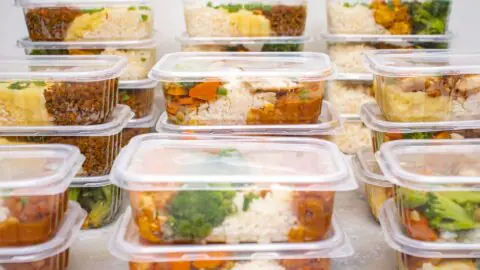
High-Calorie High-Protein Meal Plan for Women If you know you need to eat more but have no idea what that looks like on a plate, this plan is for you. It is a full seven days of breakfasts, lunches, dinners, and snacks that add up to roughly 2,100 to 2,400 calories and 100 to 130 grams of protein a day. That is a modest surplus for most women, enough to gain about half a pound to a pound a week when combined with strength training. This is different from the one-day sample in our Weight Gain Food List for Women. That post shows you which foods help. This post shows you a whole week of varied meals, so you can follow it day by day without repeating the same thing. It fits inside our bigger guide on Healthy Weight Gain for Women, which explains the calorie and protein targets behind it. How This Plan Works Each day has three meals and two snacks. That rhythm matters, because five smaller eating moments are much easier than three huge plates, especially if you get full quickly. Every meal includes a protein source, and every day includes healthy fats like olive oil, nut butter, or avocado, because fat is the easiest way to add calories without adding volume. The calorie and protein numbers are approximate. Your exact needs depend on your size, age, and activity level, so treat these as a starting point and adjust. If you are very active or taller than average, you may need more. If you are smaller or less active, you may need less. Weigh yourself once or twice a week and adjust by about 200 calories if the scale is not moving after two or three weeks. You do not need to cook seven different dinners from scratch. Cook extra chicken or rice on one day and use it the next, keep snacks ready to grab, and prep your breakfast the night before when you can. If a meal does not appeal to you, swap it for another day’s meal. The plan is a template, not a test. Day 1 Breakfast: Oatmeal cooked in whole milk with peanut butter, sliced banana, and honey. Lunch: Grilled chicken wrap with hummus, spinach, and olive oil, plus roasted sweet potatoes. Snack: Full-fat Greek yogurt with granola and berries. Dinner: Baked salmon with quinoa and roasted vegetables, plus half an avocado. Evening snack: Cottage cheese with almond butter and a drizzle of honey. Daily total: about 2,250 calories, about 115 grams of protein. Day 2 Breakfast: Scrambled eggs with cheese, avocado toast, and a small banana smoothie with oats. Lunch: Turkey and cheese sandwich on whole-grain bread with a side of trail mix. Snack: Protein shake made with whole milk, oats, and peanut butter. Dinner: Beef stir-fry with rice and vegetables cooked in sesame oil. Evening snack: Half a peanut butter and banana sandwich with a glass of whole milk. Daily total: about 2,300 calories, about 120 grams of protein. Day 3 Breakfast: Greek yogurt parfait with granola, mixed nuts, and honey, plus a boiled egg. Lunch: Lentil and sausage soup with whole-grain bread and butter. Snack: Apple slices with almond butter and a handful of walnuts. Dinner: Chicken thighs with mashed potatoes, gravy, and green beans with butter. Evening snack: Chocolate milk and a small bowl of whole-grain cereal. Daily total: about 2,200 calories, about 110 grams of protein. Day 4 Breakfast: Pancakes with peanut butter, banana, and maple syrup, plus a glass of whole milk. Lunch: Tuna pasta salad with olive oil, chickpeas, and parmesan. Snack: Cottage cheese with pineapple and a handful of cashews. Dinner: Pork chops with sweet potato mash and roasted broccoli with olive oil. Evening snack: Protein smoothie with berries, oats, and Greek yogurt. Daily total: about 2,350 calories, about 125 grams of protein. Day 5 Breakfast: Breakfast burrito with eggs, cheese, black beans, and avocado. Lunch: Chicken Caesar salad with extra parmesan, croutons, and a bread roll. Snack: Hummus with pita bread and cheese cubes. Dinner: Shrimp pasta with a creamy garlic sauce and a side salad with olive oil dressing. Evening snack: Banana with peanut butter and a glass of whole milk. Daily total: about 2,200 calories, about 115 grams of protein. Day 6 Breakfast: French toast with butter and maple syrup, plus Greek yogurt and berries. Lunch: Beef and bean chili with cheese, sour cream, and cornbread. Snack: Trail mix with nuts, seeds, and dark chocolate. Dinner: Baked salmon with rice, roasted vegetables, and avocado. Evening snack: Overnight oats with peanut butter and banana. Daily total: about 2,300 calories, about 120 grams of protein. Day 7 Breakfast: Shakshuka with feta and whole-grain toast with butter. Lunch: Chicken and rice bowl with avocado, black beans, corn, and sour cream. Snack: Smoothie with whole milk, oats, peanut butter, and banana. Dinner: Flatbread pizza with cheese, chicken, and vegetables. Evening snack: Greek yogurt with honey and walnuts. Daily total: about 2,250 calories, about 110 grams of protein. How to Adjust the Plan If you need fewer calories, drop one snack or switch whole milk to lower-fat milk, and use a little less oil and nut butter. If you need more, add a second smoothie, an extra snack, or a larger portion of rice, pasta, or potatoes at dinner. An extra 200 calories is as simple as two tablespoons of peanut butter or a handful of nuts. For vegetarian days, swap the meat for tofu, tempeh, eggs, or an extra serving of beans and lentils, and add cheese or Greek yogurt to keep the protein up. Our High-Protein Recipes for Women has plenty of meat-free ideas, and if you eat fish, our 23 Pescatarian Recipes for Healthy Weight Gain fits this plan well. If you hate a food in the plan, swap it for something with a similar role: any protein for any protein, any grain for any grain, any fruit for any fruit. The structure matters more than the exact ingredients. And if you

How to Gain Weight Without Junk Food When you tell someone you are trying to gain weight, the usual advice is to eat pizza, ice cream, and fast food. It sounds easy, and the calories are certainly there. But if your goal is to gain weight and actually feel good, build curves, and get stronger, junk food is the slowest way to get there. You can gain weight without junk food, and honestly, it works better. Calorie-dense whole foods give you just as many calories, plus the protein, healthy fats, and nutrients your body needs to turn those calories into muscle. In this guide, we will show you exactly how to do it, what to eat, how to add calories without forcing down huge meals, and the mistakes that hold most women back. What Do We Mean by Junk Food? When we say junk food here, we mean foods that are high in calories but low in nutrition: sugary drinks, candy, chips, fried fast food, pastries made mostly from refined flour and sugar, and heavily processed snacks. They are not forbidden forever, and an occasional treat is part of a normal life. The problem is using them as your main weight-gain strategy. The difference between junk food and calorie-dense whole food is what comes with the calories. A handful of almonds gives you calories plus protein, fibre, vitamin E, and magnesium. A bag of chips gives you calories plus salt and oil. Both add up on the scale, but only one helps your body build anything useful. It also helps to know why you might be struggling in the first place. Our post on 5 Reasons You Can’t Gain Weight covers the hidden causes, from under-eating without realising it to appetite and training mistakes. And for the bigger picture, our pillar guide on Healthy Weight Gain for Women brings the whole approach together. Why Junk Food Backfires for Weight Gain Junk food does add calories, so it can raise the number on the scale. But the weight it adds is mostly body fat, because junk food is low in protein and does almost nothing for muscle growth. If your goal is curves and strength, that is the opposite of what you want. It also makes the process harder in practical ways. Sugary foods spike your blood sugar and then crash it, leaving you tired and less hungry at the next meal. Fried and very greasy foods sit heavily and can upset digestion, which is the last thing you need when you are trying to eat more. And because junk food is not very filling in a satisfying way, it is easy to end up eating a lot of calories while still feeling undernourished, with low energy and poor recovery from workouts. There is a health side too. A diet built on ultra-processed food raises your intake of added sugar, sodium, and unhealthy fats, which is not a good trade for a few extra pounds. Healthy weight gain should leave you feeling stronger and more energised, not sluggish and bloated. That is why the whole cluster of posts we are building around this topic keeps coming back to the same idea: eat more, but eat well. Calorie-Dense Whole Foods That Do the Job You do not need exotic ingredients. The best weight-gain foods are ordinary foods that happen to pack a lot of energy into a small portion. Keep these four groups in mind. Healthy fats are your best friend, because fat has nine calories per gram, more than double protein or carbs. Avocados, olive oil, nut butters, nuts, seeds, and cheese all add serious calories without adding much volume. A tablespoon of peanut butter is about 100 calories. A drizzle of olive oil over vegetables is about 120. These small additions add up fast. Protein-rich foods build the muscle that gives you curves: whole eggs, chicken thighs, salmon, ground turkey, Greek yogurt, cottage cheese, tofu, tempeh, and lentils. Carbohydrates fuel your training and help you recover: oats, rice, quinoa, sweet potatoes, whole-grain bread, pasta, and bananas. And dried fruit is a quiet hero: dates, raisins, and dried apricots are sweet, portable, and very calorie-dense. Our Weight Gain Food List for Women has the full list with serving ideas for every group, so you can build your own meals from it. How to Add Calories Without Bigger Meals If large meals make you uncomfortable, you do not need them. The easiest way to eat more is to make the food you already eat more calorie-dense. These add-ons take no extra cooking and no extra chewing. Stir a spoonful of nut butter into your oatmeal, spread avocado on your toast, add cheese to your eggs or pasta, drizzle olive oil over roasted vegetables, and choose full-fat milk and yogurt instead of low-fat versions. Each change adds 100 to 200 calories, and three or four of them across the day is your whole surplus. Liquid calories are the other secret weapon. When chewing more food feels impossible, drinking calories is much easier. A smoothie made with milk, banana, oats, nut butter, and protein powder can carry 600 to 800 calories in one glass, and it goes down in minutes. Our Weight Gain Smoothies for Women guide has the full formula and seven new recipes. And if you want a ready-made day of eating, our High-Calorie High-Protein Meal Plan for Women shows you a full week. How Often Should You Eat? For most women trying to gain weight, three main meals plus two or three snacks works better than three big meals. Smaller, more frequent eating keeps your energy steady, avoids the stuffed feeling, and makes it easier to reach your calorie target. A simple rhythm looks like this: breakfast, a mid-morning snack, lunch, an afternoon snack, dinner, and an optional evening snack. The snacks do not need to be elaborate. Greek yogurt with granola, a banana with peanut butter, trail mix, cheese and crackers, or a small smoothie all work. The point
If you have ever felt frustrated watching the scale refuse to move, you are not alone. Gaining weight can be just as challenging as losing it, and most of the advice out there is written for the opposite goal. We hear you, and this guide is for you. Healthy weight gain comes down to three things working together: a modest calorie surplus, enough protein, and strength training that tells those extra calories where to go. That is how you add curves and strength instead of just adding body fat. In this guide, we will show you exactly how to do it, how many calories and how much protein you need, which foods help most, and how to put it all together with a simple 4-week starter plan. No crash diets, no junk-food binges, no miracle promises. Just a steady, honest approach that works with your body. Why Gaining Weight Feels So Hard For some women, gaining weight feels almost impossible. You eat what feels like a lot, the scale barely moves, and people tell you to “just eat more” as if it were that simple. There are real reasons it can be this hard. A fast metabolism burns through calories quickly, so you may need more food than you think just to maintain your weight. A small appetite makes large meals uncomfortable, and if you get full fast, eating more can feel like a chore. Some of us also under-eat without realising it, skipping meals on busy days or choosing low-calorie foods out of habit. Stress and poor sleep can suppress appetite too, and they make it harder for your body to recover and build muscle. If you have always been naturally slim, your body may simply defend its current weight, which is normal. And if you are trying to regain weight after illness, a stressful season, or a period of under-eating, your body needs time and consistency. If you have tried to gain weight and nothing seems to work, our post on 5 Reasons You Can’t Gain Weight walks through the most common hidden causes, from under-eating to training mistakes. What Healthy Weight Gain Actually Means Healthy weight gain means increasing your body weight while giving your body the nutrition it needs to build muscle, support your hormones, and keep your energy up. It is not about eating as much sugar and fast food as possible. That kind of weight gain mostly adds body fat, leaves you feeling sluggish, and does not build the curves most of us are after. The difference is where the extra weight goes. A calorie surplus on its own adds fat. A surplus plus strength training and enough protein builds lean muscle, which is what shapes your glutes, legs, shoulders, and back. That is how you gain weight and curves at the same time. A realistic, healthy pace is about half a pound to one pound per week. That may sound slow, but it adds up to real, lasting change, and it keeps most of the gain as muscle rather than fat. If you want the full picture of what to eat, our Weight Gain Food List for Women covers the best calorie-dense foods in detail. How Many Calories Do You Need? To gain weight, you need to eat more calories than your body burns. The size of that surplus matters. A modest surplus of about 250 to 500 extra calories per day above your maintenance level is the sweet spot for most women. It is enough to gain steadily without piling on excess fat. How do you find your maintenance level? A simple starting point is to track what you eat for a week and watch the scale. If your weight stays the same, that intake is roughly your maintenance. Then add 250 to 500 calories a day and watch what happens over two to three weeks. If nothing changes, add another 200 calories. If you are gaining faster than a pound a week, pull back a little. You do not need to count calories forever. Many women find that tracking for a few weeks teaches them what enough food actually looks like, and then they can eat intuitively. If big meals make you miserable, you do not need to force them. Small, calorie-dense additions work just as well, and our guide on How to Gain Weight Without Junk Food shows you how to add calories without bigger plates. For a day-by-day example, our High-Calorie High-Protein Meal Plan for Women lays out a full week at around 2,100 to 2,400 calories a day. How Much Protein Do You Need? Calories help you gain weight, but protein is what turns that weight into muscle and curves. Without enough protein, extra calories mostly become body fat, and your training will not build much new muscle. For women who are strength training and trying to gain weight, a good target is roughly 0.7 to 1 gram of protein per pound of body weight per day. For a 130-pound woman, that is about 90 to 130 grams a day, spread across meals. That sounds like a lot, and it is more than most of us eat by accident, which is why planning helps. The easiest way to hit it is to include a protein source at every meal and snack: eggs, chicken, turkey, fish, Greek yogurt, cottage cheese, tofu, tempeh, beans, and lentils all count. Protein shakes are useful too when food alone falls short. If you want to go deeper, our post on the Best Vitamins for Muscle Growth covers the nutrients that support muscle building, and our Best Protein Supplements for Weight Gain compares the options honestly. The Best Foods for Healthy Weight Gain The best weight-gain foods are calorie-dense and nutrient-rich at the same time. They pack a lot of energy into a small amount of food, so you can eat more calories without feeling stuffed. Think of them in four groups. Protein-rich foods build muscle: whole eggs, chicken thighs, salmon, ground turkey,