

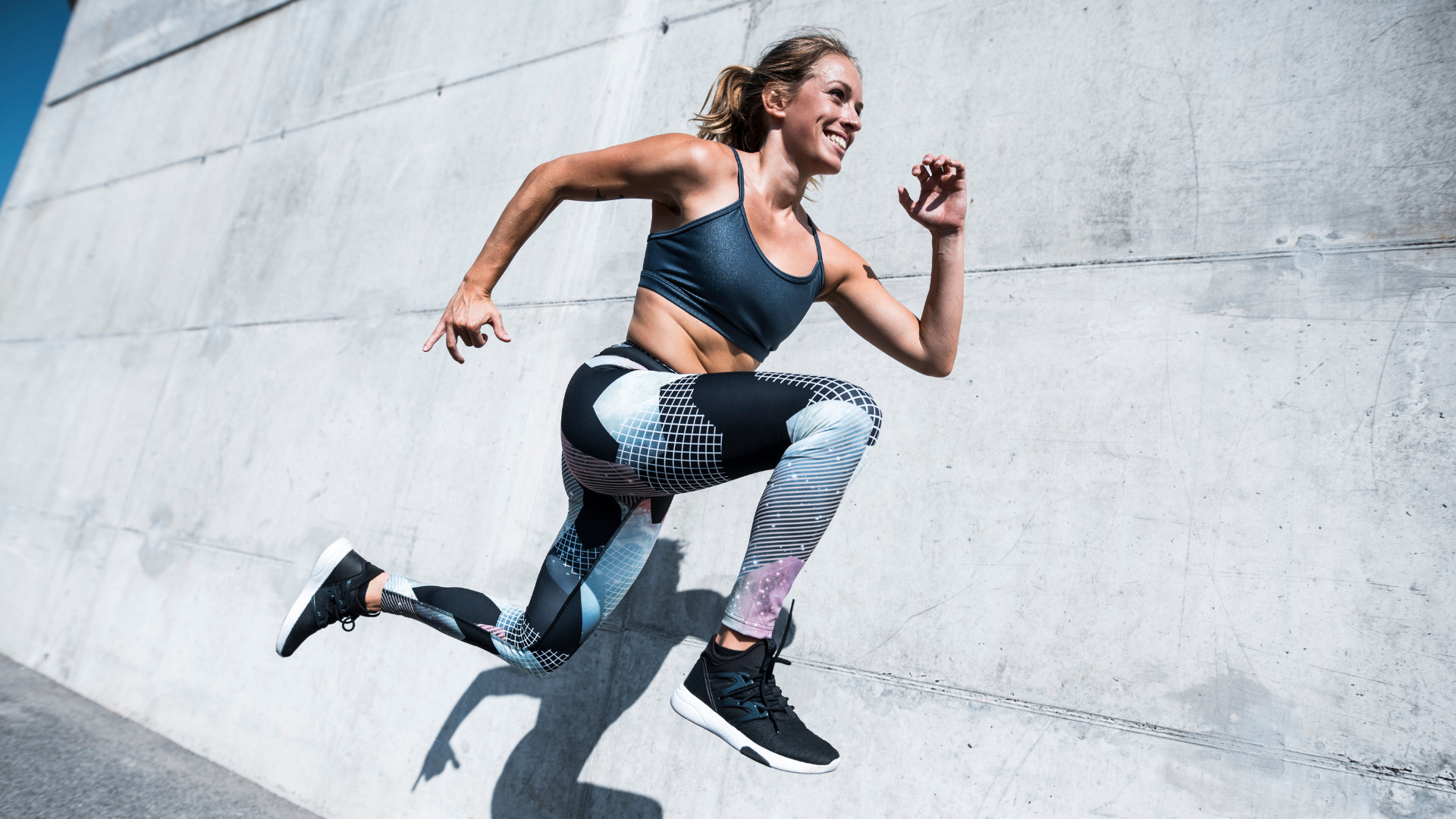
Did you know that just a few minutes of high-intensity interval training (HIIT) with cardio, sprints, fast feet, and tempo squats can deliver the same benefits as longer, steady-state workouts? HIIT, also known as high intensity workouts, has taken the fitness world by storm due to its effectiveness. Incorporating a combination of weight training and cardio, these intense exercise work sessions deliver impressive results. These short bursts of intense exercise, also known as high intensity workouts or HIIT exercises, followed by brief periods of rest are not only time-efficient but also incredibly effective for beginners looking to improve their fitness levels quickly. Incorporating just a few minutes of HIIT into your routine can lead to great HIIT results.
Incorporating HIIT into your exercise work can help you burn calories and lose weight efficiently while boosting your cardiovascular health. This workout plan is particularly effective when combined with resistance training to target fat. The best part? HIIT workouts, which combine weight training and resistance training, can be done with various exercises, making them versatile and adaptable to your preferences and fitness level. Incorporating both cardio and tempo squats, these workouts offer a comprehensive approach to improving overall fitness. Whether you’re a beginner or an experienced exerciser, incorporating a HIIT workout plan with resistance training and cardio can offer a great way to challenge yourself and push your limits. From weight training to high-intensity intervals, this type of exercise routine can help you achieve your fitness goals.
So if you’re ready to kickstart your fitness journey with some heart-pumping cardio and calorie-burning action, let’s dive into the world of HIIT workouts for beginners! Incorporating cardio, weight training, resistance training, and exercises that target the hamstrings, these workouts are a great way to get started on your fitness goals.
HIIT workouts, also known as High-Intensity Interval Training, are a fantastic way for beginners to kickstart their fitness journey and engage in full body cardio exercises that target the hamstrings. These workouts typically last around 20-30 mins and provide a high-intensity workout for optimal results. These hiit exercises involve short bursts of intense exercise, making them perfect for beginner hiit training. Each exercise lasts only a minute, followed by brief periods of rest or low-intensity activity. If you’re new to the world of HIIT, you’ll be thrilled to know that there are numerous benefits awaiting you. HIIT is a form of exercise work that combines cardio and resistance training for maximum results in a short amount of time. In just a few mins, you can get a full-body workout that boosts your heart rate and builds muscle. Let’s dive into why HIIT training is perfect for beginners looking to exercise work and target cardio. HIIT workouts typically last for just a few mins, making them ideal for those with limited time.
One of the best ways to improve cardiovascular endurance and heart health is by incorporating HIIT into your fitness routine. HIIT workouts typically last for a duration of minutes and are known for their effectiveness in improving overall fitness. By engaging in high-intensity interval training (HIIT exercises), your heart has to work harder to pump blood throughout your body, effectively strengthening it over time. HIIT training is a great way to incorporate cardio into your workout routine, especially for beginners looking for a beginner HIIT workout. As a beginner, incorporating hiit exercises into your workout routine can help lay a solid foundation for better overall cardiovascular fitness. Whether you’re doing a hiit session or a hiit workout high, these exercises are the best choice to improve your fitness level.
For those looking to shed pounds or maintain a healthy weight, HIIT workouts are the best tool for cardio. The best beginner HIIT exercises significantly ramp up your metabolism during and even after your workout session. Even after completing a high-intensity interval training (HIIT) workout, your body keeps burning calories at a high rate. This makes HIIT workouts the best option for beginners looking to burn calories quickly. Regular HIIT sessions can help you achieve your desired weight loss goals and work best for weight loss efforts.
As a beginner with a busy schedule, finding time for the best high-intensity interval training (HIIT) workout can be challenging. Luckily, HIIT workouts come to the rescue with their shorter durations and maximum efficiency. Unlike traditional cardio exercises that may require hours at the gym, HIIT allows you to complete an effective workout in as little as 20 minutes or less. This beginner HIIT workout makes it easier than ever before to fit exercise into your hectic lifestyle without sacrificing results.
Exercise, especially a hiit workout, has long been associated with improved mood and mental well-being due to the release of endorphins, often referred to as the “feel-good” hormones. HIIT workouts, with their intense bursts of activity, can trigger the release of these endorphins, leaving you feeling energized and positive after each session. As a beginner, incorporating a hiit workout into your fitness journey can provide an extra boost in mood and help you stay committed.
As a beginner starting out on your fitness journey, it’s natural to want to see progress and improvements over time in your HIIT workout. With consistent practice of HIIT workouts, you can expect significant enhancements in both strength and stamina. The high-intensity intervals work challenge your muscles and push them beyond their comfort zone, leading to increased strength and endurance over time. This not only helps you perform better during workouts but also carries over into everyday activities.
If you’re new to HIIT workouts and looking for a quick and effective routine to get started, this 19-minute workout is perfect for you. It includes a warm-up, four intervals, and a cool-down period, making it a comprehensive workout that targets multiple muscle groups. In each interval, you’ll perform 40 seconds of high-intensity exercise followed by 20 seconds of rest.
Before diving into the high-intensity intervals, it’s crucial to warm up your muscles to prevent injuries and prepare your body for the workout ahead. Here’s an easy warm-up routine you can follow:
The first interval focuses on bodyweight squats, which are excellent exercises for targeting your lower body muscles.
Perform as many bodyweight squats as possible during the 40-second interval while maintaining proper form.
Next up is push-ups, which target your chest, shoulders, triceps, and core muscles.
Remember to keep your core engaged and maintain a straight line from your head to your heels throughout the movement.
Mountain climbers are a fantastic exercise for engaging multiple muscle groups, including your core, shoulders, and legs.
Continue alternating between legs for the entire 40-second interval, maintaining a steady pace.
The final interval targets your core muscles with a classic exercise – the plank.
After completing all four intervals, it’s essential to cool down and stretch out your muscles to aid recovery and prevent post-workout soreness. Here’s a simple cool-down routine you can follow:
By following this structured 19-minute workout regularly, beginners can gradually build endurance and strength while reaping the benefits of HIIT training without feeling overwhelmed or intimidated by longer workouts that may require equipment or gym access.
If you’re a beginner looking to get started with HIIT workouts, there are several quick and effective options that can help you get your heart pumping and burn calories in a short amount of time. Here are three beginner-friendly HIIT workout options to consider:
One option for beginners is a seven-minute HIIT workout that combines cardio exercises with bodyweight movements. This type of workout typically consists of short bursts of high-intensity exercise followed by brief periods of rest. It’s a great way to improve cardiovascular fitness and build strength at the same time.
To perform this workout, you can choose five or six different exercises such as jumping jacks, squats, push-ups, mountain climbers, and burpees. Perform each exercise for 30 seconds with maximum effort, then take a 10-second rest before moving on to the next exercise. Repeat the circuit for a total of seven minutes.
Short duration makes it easy to fit into a busy schedule.
Requires no equipment, making it accessible for everyone.
Provides both cardiovascular and strength benefits.
For those who want to incorporate some resistance training into their HIIT workouts, using dumbbells can be an excellent option. Adding weights will increase the intensity of the exercises and help build muscle while still keeping the workout short and efficient.
In this ten-minute circuit, choose four or five exercises such as squat presses, lunges with bicep curls, renegade rows, shoulder presses, or tricep kickbacks. Perform each exercise for 40 seconds with maximum effort, followed by a 20-second rest before moving on to the next exercise. Repeat the circuit for a total of ten minutes.
Requires access to dumbbells or other types of weights.
May be more challenging for individuals who are new to weightlifting.
Tabata workouts are known for their high-intensity intervals and short duration, making them an excellent choice for beginners who want a quick but effective workout. This type of HIIT workout follows a specific pattern: 20 seconds of maximum effort exercise followed by 10 seconds of rest, repeated for a total of four minutes.
To create your own five-minute Tabata routine, choose two exercises such as squat jumps and high knees. Perform each exercise for 20 seconds with maximum effort, then take a 10-second rest before moving on to the next exercise. Repeat this cycle four times for a total of five minutes.
Extremely time-efficient, perfect for those with limited availability.
Boosts cardiovascular fitness and endurance levels.
Can be customized with various exercises based on individual preferences.
Looking to get started with HIIT workouts but not sure where to begin? No worries, we’ve got you covered! This beginner-friendly elliptical workout is specifically designed for those new to HIIT. It’s a great way to improve cardiovascular fitness, burn calories efficiently, and have fun while doing it!
The key to an effective HIIT workout is the alternation between high-intensity intervals and recovery periods. This elliptical routine follows that principle, ensuring you get the most out of your workout without overwhelming yourself.
As a beginner, it’s important to start slow and gradually increase the intensity of your workouts. This elliptical HIIT routine does just that. It starts with shorter intervals at a moderate pace and gradually increases the duration and intensity as you progress through the workout.
HIIT workouts are known for their ability to improve cardiovascular fitness and burn calories efficiently. By incorporating high-intensity intervals on the elliptical machine, this workout pushes your heart rate up, challenging your cardiovascular system and helping you burn more calories in less time.
One of the great things about using an elliptical machine for HIIT workouts is its low-impact nature. Unlike running or other high-impact exercises, the elliptical provides a smooth motion that reduces stress on your joints. This makes it an ideal option for individuals with joint concerns or those looking for a low-impact alternative.
Now that we’ve discussed the benefits of this beginner-friendly elliptical HIIT workout let’s take a closer look at how it can be done:
May not be suitable for individuals with certain health conditions or injuries (consult with a healthcare professional if you have any concerns)
So there you have it! A beginner-friendly elliptical HIIT workout that will get your heart pumping, calories burning, and help you achieve your fitness goals. Remember to listen to your body, start at a comfortable level, and gradually increase intensity as you progress. Lace up those sneakers and hop on that elliptical machine – you’ve got this!
If you’re a beginner looking to kickstart your fitness journey, or if you’re someone who prefers working out at home or while traveling, this bodyweight HIIT routine is perfect for you. The best part? You don’t need any equipment! This means you can easily do these exercises in the comfort of your own space without having to invest in expensive gym gear.
One of the major advantages of this bodyweight HIIT routine is its accessibility. Since it doesn’t require any equipment, it eliminates the need for a gym membership or bulky weights. You can perform these exercises anywhere, whether it’s in your living room, hotel room, or even at a park. It’s a convenient way to get your heart rate up and burn calories without needing access to specialized equipment.
In this routine, we’ll be using your own body weight as resistance to build strength and endurance. By utilizing various bodyweight exercises, such as squats, lunges, push-ups, and burpees, you’ll be engaging multiple muscle groups simultaneously. This helps improve overall muscle tone and definition.
To ensure a well-rounded workout session, this bodyweight HIIT routine includes exercises that target different muscle groups throughout your body. From squats that engage your lower body muscles like quadriceps and hamstrings to push-ups that work on your chest and triceps – each exercise has been carefully selected to provide maximum benefit.
Regularly performing this bodyweight HIIT routine can help beginners develop lean muscle mass over time. When combined with proper nutrition and adequate rest, these workouts stimulate muscle growth and contribute to an increase in overall fitness levels. Building lean muscle not only enhances physical appearance but also boosts metabolism which aids in burning fat more efficiently.
We understand that everyone has different fitness levels and capabilities. That’s why this bodyweight HIIT routine offers modifications for each exercise to accommodate beginners and individuals with varying fitness levels. Whether you’re just starting out or already have some experience, there are options available to ensure inclusivity and prevent any potential injuries.
Here’s an example of a bodyweight HIIT routine that you can try:
Remember, this is just an example routine – feel free to modify it according to your preferences and fitness level. You can increase or decrease the number of sets or repetitions based on what feels challenging but manageable for you.
If you’re a beginner looking to kickstart your fitness journey, high-intensity interval training (HIIT) workouts are an excellent option. The best part? You can do them right in the comfort of your own home! With no need for gym memberships or specialized equipment, home-based HIIT workouts are convenient and accessible for everyone. Let’s explore why these workouts are perfect for beginners and how you can get started.
One of the biggest advantages of home-based HIIT workouts is that they eliminate the need for expensive gym memberships or specialized equipment. All you need is your body and a small space within your home environment. Exercises like jumping jacks, mountain climbers, reverse lunges, and burpees can be done with just your body weight. This means you don’t have to invest in costly workout machines or weights, making it budget-friendly for beginners.
Home-based HIIT workouts are designed to be beginner-friendly, allowing individuals with limited fitness experience to participate comfortably. These workouts typically involve short bursts of intense exercise followed by brief rest periods. The exercises can be modified to match your fitness level, ensuring that you don’t push yourself too hard initially.
Even if you have limited space at home, there are plenty of HIIT exercises that can be performed effectively in small areas. Whether it’s a living room, bedroom, or even a balcony, you can adapt the exercises to fit your available space. So don’t let the lack of a spacious gym hold you back from getting fit!
Thanks to the power of the internet, finding guided home-based HIIT workouts has never been easier. There are countless online resources and video tutorials available that provide step-by-step instructions on performing various HIIT exercises. These resources often include modifications for beginners, ensuring that you can start at a comfortable level and gradually increase the intensity as you progress.
Whether you prefer following along with a live instructor or accessing pre-recorded workout videos, the options are plentiful. You can choose from different workout plans and routines that target specific areas of the body or focus on overall fitness. The availability of online resources makes it convenient for beginners to access professional guidance without leaving their homes.
One of the biggest advantages of working out at home is the flexibility it offers in scheduling your workouts. Unlike gym classes with fixed timings, home-based HIIT workouts allow you to exercise whenever it suits your personal preferences and availability. Whether you’re an early bird who likes to start the day with a workout or someone who prefers evening sessions, you have complete control over when and how often you exercise.
This flexibility is especially beneficial for beginners who may be juggling multiple responsibilities or have unpredictable schedules. It eliminates the need to rush to the gym after work or squeeze in a workout during busy hours. With home-based HIIT workouts, you can create a routine that fits seamlessly into your lifestyle, increasing the chances of sticking with it in the long run.
Consistency is key home-based HIIT workouts make it easier to stay consistent. By removing barriers like travel time and crowded gyms, these workouts allow individuals to establish a regular exercise routine within their own homes. When you consistently engage in HIIT exercises over time, your fitness levels are bound to improve significantly.
Regular participation in HIIT workouts can lead to various benefits for beginners. These include increased cardiovascular endurance, improved strength and muscle tone, enhanced metabolism, and even weight loss. The high-intensity nature of these workouts helps maximize calorie burn in a shorter amount of time compared to traditional steady-state cardio exercises.
Congratulations on completing the sections before this conclusion! By now, you have gained valuable insights into the world of HIIT workouts for beginners. You’ve discovered the numerous benefits of high-intensity interval training, explored various routines that require little to no equipment, and even found effective options for home workouts. But we’re not finished just yet! It’s time to put all this knowledge into action and start your own HIIT journey.
Now that you understand the basics and have a variety of workout options at your disposal, it’s up to you to take the first step towards achieving your fitness goals. Remember, consistency is key. So make a commitment to yourself and incorporate these beginner-friendly HIIT workouts into your weekly schedule. Push yourself during those intense bursts of activity, but also listen to your body and rest when needed.
So go ahead, grab your gym clothes or clear some space in your living room – it’s time to sweat it out with some heart-pumping HIIT workouts! Your body will thank you as you build strength, burn calories, and improve cardiovascular health. Get ready for an exhilarating journey that will leave you feeling accomplished and energized!
While regular exercise is important for overall health, doing high-intensity interval training every day may not be ideal for beginners. Your body needs time to recover from intense workouts. Aim for two or three sessions per week initially and gradually increase frequency as your fitness level improves.
One of the great things about HIIT is its versatility – many routines can be done without any equipment using just your body weight. However, if you want to add variety or challenge yourself further, simple equipment like dumbbells or resistance bands can be incorporated.
For beginners, it’s recommended to start with shorter HIIT workouts lasting around 15-20 minutes. As you progress and become more comfortable with the exercises, you can gradually increase the duration to 30 minutes or more.
Absolutely! If you have joint issues or any other physical limitations, it’s important to listen to your body and modify exercises accordingly. You can reduce impact by opting for low-impact variations or choosing exercises that put less stress on your joints.
Yes, HIIT workouts are highly effective for weight loss. The intense bursts of activity followed by short recovery periods help boost metabolism and burn calories long after the workout is over. Combined with a balanced diet, HIIT can be a powerful tool in achieving your weight loss goals.


No spam, notifications only about new post, updates.

We’re turning Brussels sprouts into the side everyone fights over! Roasted until crispy and caramelized, then finished with pure maple syrup and toasted pecans, all on one sheet pan.
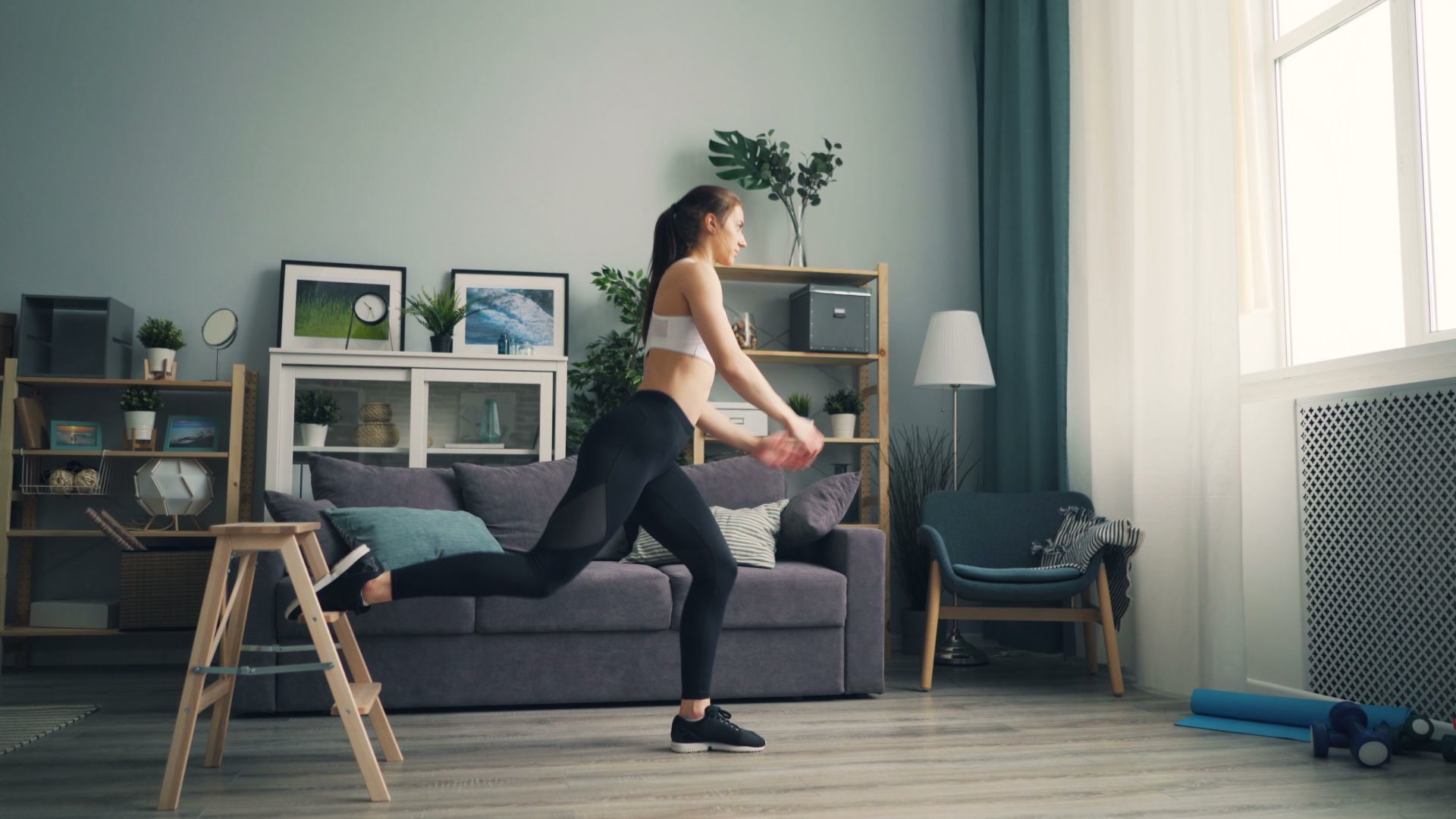
Low-Impact Workouts for Beginners: Gentle Moves That Still Work Low-impact workouts for beginners are the kindest way to start moving — and they work. “Low-impact” means at least one foot stays on the ground at all times: no jumping, no running, no pounding on your knees. It does not mean easy or ineffective. A slow squat, a wall push-up, and a glute bridge held for five seconds will challenge your muscles just as honestly as any high-impact move — they just do it without jarring your joints. If your knees, ankles, or lower back have ever told you that jumping jacks are not for you, this guide is for you. This guide is for every beginner who wants to move gently and still get stronger — whether you are new to exercise, coming back after a break, or managing sensitive joints. Everything here is at home, bodyweight only, and beginner-friendly. Who this is for, what you need, and modifications This box is on every post in this cluster, because it is the fastest way to know whether a workout fits you. Read it before you start. Who this is for: Women who are new to working out and want gentle, joint-friendly exercise. Every body type and fitness level — including if you have never worked out before, or if your knees or ankles are sensitive. If you can stand up from a chair and walk around your home, you can start here. What you need: A clear space about the size of a yoga mat, a sturdy chair, comfortable clothes, supportive shoes or bare feet on a mat, and a bottle of water. That is the whole list — no equipment needed. Level: True beginner. Every move has a gentler version, and the plan builds slowly so your joints and muscles adjust together. Time: 20–30 minutes per workout, 3 days a week. Each workout includes a 5-minute warm-up and a 5-minute cool-down. Low-impact swaps: Every move is already low-impact — no jumping, no running, no pounding. The swaps table below gives you a low-impact version of every common high-impact move. If anything hurts, stop and use the swap. Check with your doctor first if you have a health condition or are recovering from an injury. Low-impact vs high-impact, honestly explained The difference is simple. In a high-impact move, both feet leave the ground — jumping jacks, burpees, running, box jumps. Every landing sends a jolt through your ankles, knees, hips, and lower back. In a low-impact move, at least one foot stays on the ground at all times — walking, marching, squats, bridges, swimming, cycling. Here is the honest part: high-impact exercise is not bad, and low-impact exercise is not a lesser version of it. High-impact work is good for bone density and power — but it is not required to get strong, fit, or healthy. Low-impact work builds strength, balance, flexibility, and stamina just as well, with far less risk of joint pain. And “low-impact” is not the same as “low-intensity” — slower tempos, longer holds, and more reps make it as challenging as you like. The full low-impact routine Six moves, whole body, no jumping. Do them in order, rest 60 seconds between sets, and move slowly — two seconds down, one second up. Warm-up: standing march — 5 minutes Stand tall, arms relaxed. March in place, lifting each knee to about hip height, swinging your arms naturally. This raises your heart rate gently and warms up your hips and knees. Never skip it. Chair squat — 2 sets of 8–12 reps (legs and glutes) Stand in front of a sturdy chair, feet about hip-width apart, toes slightly out. Push your hips back, bend your knees, and lower until your bottom just touches the chair — then press through your heels to stand. Keep your chest up and your knees over your toes. Easier: lower only halfway. Wall push-up — 2 sets of 8–12 reps (chest, shoulders, arms) Stand facing a wall, about an arm’s length away, hands flat on the wall at shoulder height. Bend your elbows, bring your chest toward the wall, keeping your body in one straight line from head to heels, then push back. Easier: stand closer to the wall. Glute bridge — 2 sets of 10–15 reps (glutes and lower back) Lie on your back, knees bent, feet flat on the floor, arms by your sides. Press through your heels and lift your hips until your body makes a straight line from shoulders to knees. Squeeze your glutes at the top, hold one second, then lower slowly. Easier: lift only halfway. Standing side leg lift — 2 sets of 8–10 reps per side (outer hips and balance) Stand behind your chair, hands resting lightly on the back of it for balance. Keeping your standing leg soft, lift one leg out to the side about a foot, then lower it slowly. Keep your body upright. Easier: lift the leg only a few inches. Cool-down: gentle stretch — 5 minutes Slow marching for one minute, then stretch: reach your arms overhead and lean gently side to side, pull one knee gently toward your chest (hold the chair), and stretch your calves against a wall. Hold each stretch for 20–30 seconds. Low-impact swaps for every high-impact move This table is yours to keep. Any time a workout video, a class, or a friend tells you to do a high-impact move, use the swap instead — you get the same muscle work without the joint jolt. High-impact move Low-impact swap How to do it Jumping jack Step-out jack Step one foot out and raise your arms, then step back. Alternate sides. Burpee Walk-out to plank Walk your hands down, step back into a plank, hold, then walk back up. Jump squat Chair squat A slow chair squat with a two-second pause at the bottom. Same legs, no landing. High knees (running) Standing march March in place, knees to hip height, arms swinging. Feet stay grounded. Print
No-Gym Workout Plans for Women: The Complete Beginner Plan No-gym workout plans for women are the simplest way to start working out: no membership, no commute, no equipment, no waiting for a machine. Just you, a small patch of floor, and a plan. This guide is the complete beginner plan — a full-body bodyweight routine, a four-week schedule, and everything you need to keep progressing without ever buying a single piece of equipment. If you have a living room, you have a gym. You might be wondering whether a workout without weights can actually do anything. It can — especially for beginners. Your body is the weight, and for someone who is just starting, it is plenty. Bodyweight squats, push-ups, glute bridges, and rows using a table edge build real strength, balance, and stamina. The trick is not the equipment, it is the plan: doing the right moves, in the right order, a little harder each week. Who this is for, what you need, and modifications This box is on every post in this cluster, because it is the fastest way to know whether a workout fits you. Read it before you start. Who this is for: Women who are new to working out and do not have — or do not want — a gym. Every body type, every size, every fitness level, including if you have never done a single workout before. If you can stand up from a chair and walk around your home, you can start here. What you need: A clear space about the size of a yoga mat, a sturdy chair, a sturdy table or countertop, comfortable clothes, supportive shoes or bare feet on a mat, and a bottle of water. That is the whole list — no dumbbells, no bands, no gym. Level: True beginner. Every move has a gentler version, and the four-week plan builds slowly so your body has time to adjust. Time: 20–30 minutes per workout, 3 days a week to start. Each workout includes a 5-minute warm-up and a 5-minute cool-down, so the moving part is only 10–20 minutes. Low-impact swaps: Every move in this guide is already low-impact — no jumping, no running, no pounding on your knees. Where a move has a harder version, we say so, and the easier version is always the default. If anything hurts, stop that move and use the swap listed next to it. What “no equipment” really means “No equipment” does not mean “no help.” It means your body and your home are the equipment. A chair becomes a squat target and a balance aid. A countertop becomes a push-up station. A sturdy table becomes a rowing bar. A wall becomes a support for balance. A filled water bottle becomes a light weight, if you ever want one — and you do not need it yet. The point is that you already own everything this plan needs. Build the habit first, with what you have. If you decide later that you want dumbbells or a resistance band, you will know exactly what you want and why — and our beginner dumbbell guide is there when you are ready. Dumbbell Workout for Beginners The full-body no-gym routine Six moves, whole body, no equipment. Do them in order, rest 60–90 seconds between sets, and move slowly — two seconds down, one second up. Chair squat — 3 sets of 8–12 reps (legs and glutes) Stand in front of a sturdy chair, feet about hip-width apart, toes slightly out. Push your hips back, bend your knees, and lower until your bottom just touches the chair — then press through your heels to stand. Keep your chest up and your knees over your toes. Easier: lower only halfway, or hold the chair for balance. Countertop push-up — 3 sets of 8–12 reps (chest, shoulders, arms) Stand facing a sturdy countertop or table, hands flat on the edge at shoulder-width apart, feet back so your body makes a straight line from head to heels. Bend your elbows and lower your chest toward the counter, then push back to the start. Keep your hips in line — no sagging, no sticking your bottom out. Easier: use a wall instead of a countertop. Glute bridge — 3 sets of 10–15 reps (glutes and lower back) Lie on your back, knees bent, feet flat on the floor, arms by your sides. Press through your heels and lift your hips until your body makes a straight line from shoulders to knees. Squeeze your glutes at the top, hold one second, then lower slowly. Easier: lift only halfway. Harder: hold the top for five seconds. Table row — 3 sets of 8–10 reps (back and arms) Lie under a sturdy table, reach up and grip the edge with both hands, shoulder-width apart. Keeping your body straight from head to heels, pull your chest up toward the table edge, then lower slowly. Check first that the table is heavy and stable enough to hold your weight, and that it will not tip. Easier: bend your knees and keep your feet flat. Bird dog — 3 sets of 6 reps per side (core and balance) Start on hands and knees, hands under shoulders, knees under hips. Slowly reach your right arm forward and your left leg back, keeping your hips level. Hold two seconds, return, switch sides. Easier: lift only the arm, or only the leg. Standing march — 3 minutes (cardio and warm-up) Stand tall and march in place, lifting each knee to about hip height, swinging your arms naturally. Use it as your warm-up, between sets, or as the cardio finish at the end of the workout. Easier: lift knees lower and go slower. The complete 4-week beginner plan Three workouts a week, with at least one rest day between them. Each workout starts with a 5-minute warm-up and ends with a 5-minute cool-down. The whole thing takes 20–30 minutes. Week Workout A (Mon) Workout B (Wed) Workout C (Fri)
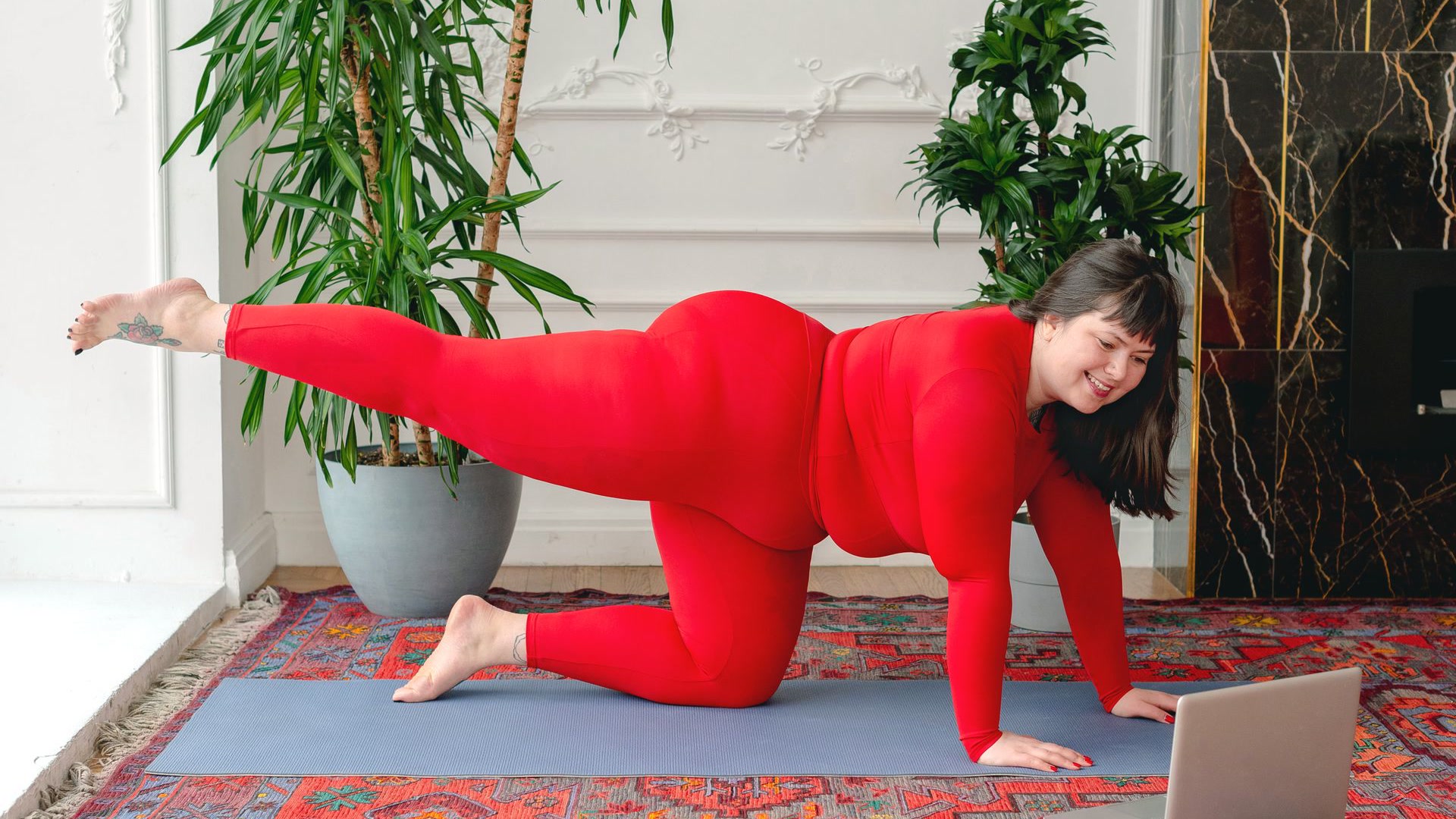
Plus-Size Workouts at Home: A Beginner’s Guide Plus-size workouts at home are for you if you want to move more, get stronger, and feel better in your body — starting exactly where you are, in your own living room, with no audience and no judgment. This guide is written for plus-size beginners, by a blog that believes fitness is for every body. There is nothing here about shrinking yourself, nothing about earning your food, and nothing that treats your body as a problem to fix. Your body is not the problem. The problem is that most workout content was never designed with your body in mind — so this guide is. Working out at home has real advantages when you are plus-size and just starting out. There is no gym floor to feel watched on, no equipment sized for someone else, no class where everyone else seems to know the moves already. At home, you set the pace, you pick the moves, and you can pause whenever you need to. That privacy is a smart way to build a habit, and plenty of women get strong and fit entirely at home. Everything in this guide is joint-friendly and low-impact — no jumping, no running, no pounding on your knees. Every move has a modification, and the modifications are the default, not an afterthought. Who this is for, what you need, and modifications This box is on every post in this cluster, because it is the fastest way to know whether a workout fits you. Read it before you start. Who this is for: Plus-size women who are new to working out, or coming back after a break. Every fitness level — including if you have never done a single workout before. If you can stand up from a chair and walk around your home, you can start here. What you need: A clear space about the size of a yoga mat, a sturdy chair, comfortable clothes that fit well, supportive shoes or bare feet on a mat, and a bottle of water. That is the whole list — no dumbbells, no bands, no gym. Level: True beginner. Every move has a gentler version, and the plan builds slowly over four weeks so your body — especially your knees, ankles, and lower back — has time to adjust. Time: 20–30 minutes per workout, 3 days a week to start. Each workout includes a 5-minute warm-up and a 5-minute cool-down, so the moving part is only 10–20 minutes. Low-impact swaps: Every move in this guide is already low-impact — no jumping, no running, no high-impact cardio. Where a move puts pressure on your knees, we give a chair-supported or seated version right next to it. If anything hurts, stop that move and use the swap. If you have a health condition or knee or back issues, check with your doctor first. The gear that actually helps You do not need to buy anything to start — but a few things genuinely make working out more comfortable when you are plus-size. A supportive sports bra. This is the single most important piece of gear. Look for a high-impact sports bra with a wide underband and wide straps, and a fit that holds you firmly without digging in. If you can forget about it during a workout, it fits. Workout clothes that fit your body now. Not the size you hope to be — the size you are today. Look for moisture-wicking fabric, a longer top that stays put when you bend, and leggings with a wide, high waistband that does not roll down. Supportive shoes and a thick mat. Flat, stable shoes — a cross-trainer or a walking shoe — or bare feet on a mat. A thicker mat (around 10mm) or a folded blanket under your knees makes floor moves far more comfortable. And keep a sturdy chair nearby — not a folding chair, not one with wheels. Do not buy dumbbells, bands, or any equipment before you have built the habit. The habit comes first. The routine: joint-friendly, no-jump moves Every move below is low-impact and knee-friendly. Do them in order, rest 60 seconds between sets, and stop any move that causes joint pain — use the swap instead. Chair squat — 2 sets of 8–10 reps Stand in front of a sturdy chair, feet about hip-width apart, toes slightly out. Push your hips back, bend your knees, and lower until your bottom just touches the chair — then press through your heels to stand. Keep your chest up and your knees over your toes. Easier: lower only halfway, or hold the chair for balance. Knee-friendly swap: sit fully on the chair, then stand up slowly using your legs, not your hands. Wall push-up — 2 sets of 8–10 reps Stand facing a wall, about an arm’s length away, hands flat on the wall at shoulder height. Bend your elbows, bring your chest toward the wall, keeping your body in one straight line from head to heels, then push back. Easier: stand closer to the wall. Harder: step further back, or use a countertop. Glute bridge — 2 sets of 10–12 reps Lie on your back, knees bent, feet flat on the floor, arms by your sides. Press through your heels and lift your hips until your body makes a straight line from shoulders to knees. Squeeze your glutes at the top, hold one second, then lower slowly. This one is a favourite for plus-size beginners — it strengthens your glutes and lower back without putting any weight on your knees. Easier: lift only halfway. Harder: hold the top for five seconds. Seated march — 2 minutes Sit tall in your chair, feet flat on the floor. Lift one knee at a time toward your chest, alternating sides, at a comfortable rhythm. This is a real cardio move — it raises your heart rate without any impact on your joints — and it is also a great warm-up or rest-between-sets