
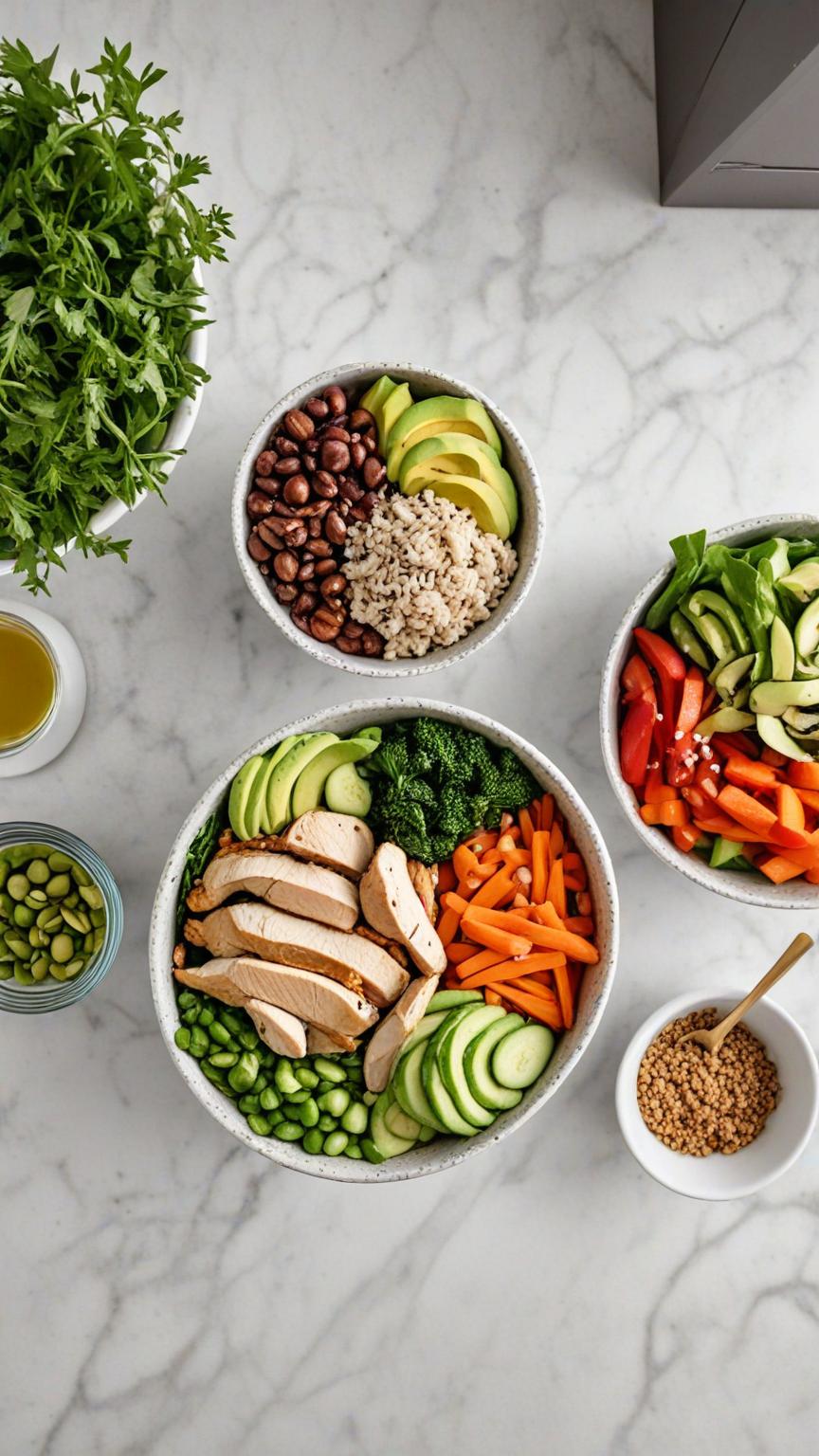


Chicken Buddha Bowl
4
servings30
minutes40
minutes300
kcalA Nutritious and Flavorful Recipe: Vegetable Buddha Bowl Lunch with Chicken, Quinoa, Chickpeas, Mushrooms, Lettuce, and Tomatoes
Ingredients
- For Chicken
2 whole boneless, skinless chicken breasts
1 Tbsp olive oil
1 tsp paprika
1/2 tsp garlic powder
Salt and pepper to taste
- For the Quinoa
1 cup quinoa
2 cups water or vegetable broth
Salt to taste
- For the chickpeas
1 can (15 ounces) chickpeas (garbanzo beans), drained and rinsed
1 Tbsp olive oil
1/2 tsp ground cumin
1/2 tsp smoked paprika
Salt to taste
- For Mushrooms
8 ounces mushrooms (such as cremini or button), sliced
1 Tbsp olive oil
2 cloves garlic, minced
Salt and pepper to taste
- For Bowl Assembly
4 cups cups mixed lettuce leaves
1 cup cherry tomatoes (halved)
Lemon wedges for serving
1 whole avocado, sliced (optional)
Directions
- Preparing the Chicken
- Preheat your oven to 400°F (200°C).
- Rub the chicken breasts with olive oil, paprika, garlic powder, salt, and pepper
- Place the seasoned chicken on a baking sheet and bake for 20-25 minutes or until cooked through. Once done, set aside to cool before slicing.
- For Cooking the Quinoa
- Rinse the quinoa under cold water to remove any bitterness.
- In a medium-sized saucepan, combine the rinsed quinoa, water or vegetable broth, and salt.
- Bring the mixture to a boil over medium heat, then reduce the heat to low and cover.
- Simmer for 15-20 minutes or until the liquid is absorbed and the quinoa is tender. Fluff with a fork and set aside.
- Roasting the chickpeas
- Preheat your oven to 400°F (200°C).
- In a bowl, toss the drained and rinsed chickpeas with olive oil, cumin, smoked paprika, and salt
- Spread the seasoned chickpeas on a baking sheet and roast for 20-25 minutes or until crispy. Stir occasionally for even browning
- Sautéing the mushrooms:
- Heat olive oil in a skillet over medium heat.
- Add minced garlic and sliced mushrooms to the skillet.
- Sauté for 5-7 minutes or until the mushrooms are tender and golden brown
- Season with salt and pepper to taste.
- Assembling the Buddha bowl
- Divide the mixed lettuce leaves between two bowls as a base
- Arrange sliced chicken, cooked quinoa, roasted chickpeas, sautéed mushrooms, cherry tomatoes, and any additional vegetables you desire on top of the lettuce. Add any additional topping such as sliced avocado, cabbage or raw broccoli
- Drizzle your favorite dressing over the bowl or serve it on the side.
- Squeeze fresh lemon juice over the bowl for an extra burst of flavor.
- Toss the ingredients together just before eating to combine all the flavors.


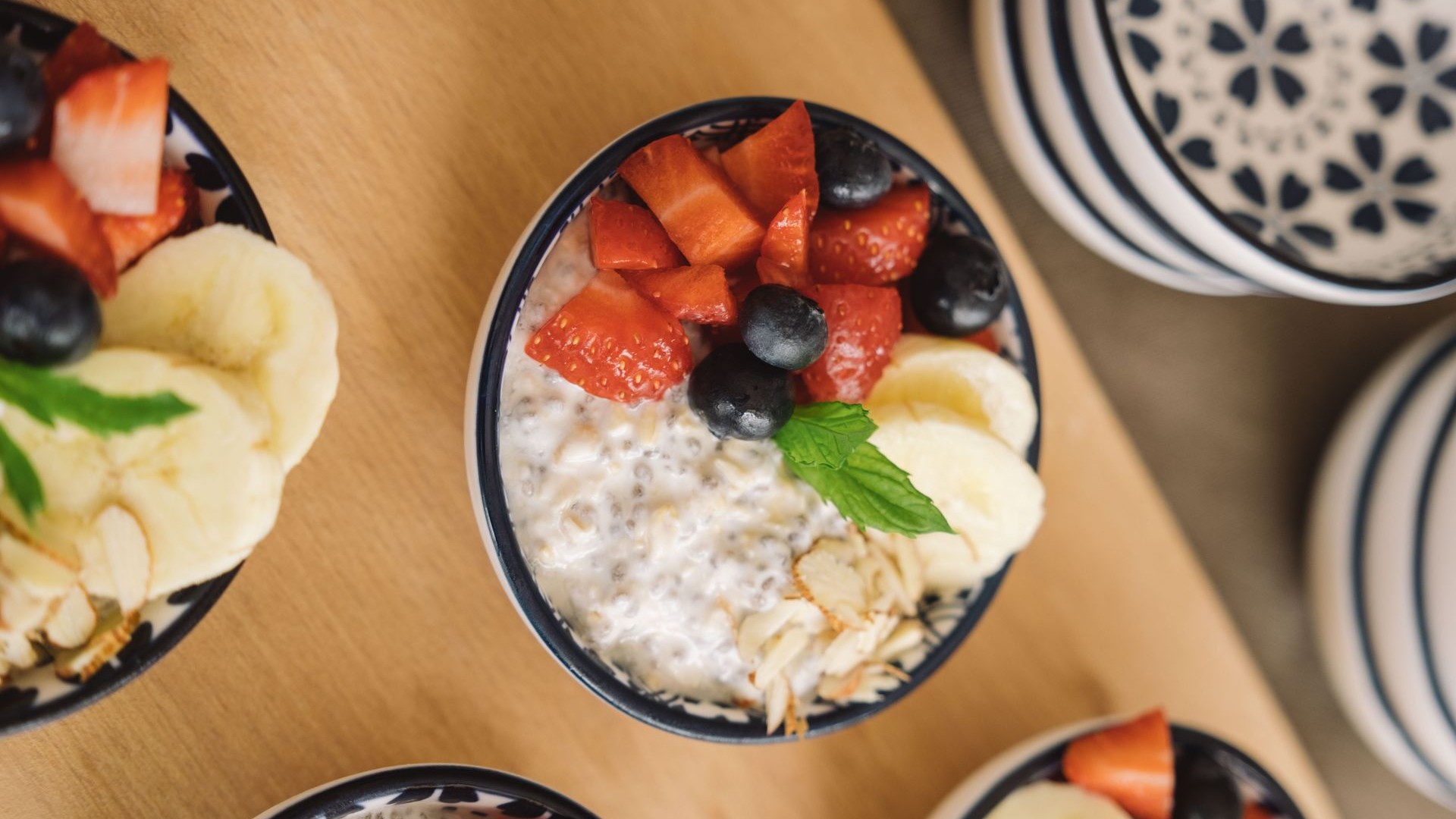
High-Fiber Meal Ideas for Women
High-fibre meal ideas for women do not have to mean a diet overhaul — they mean adding one fibre-rich food to meals you already eat. Oats for breakfast, beans in a soup, a pear with a handful of almonds as a snack: small additions like these are how most women close the fibre gap. The Dietary Guidelines for Americans recommend roughly 22 to 28 grams of fibre a day for adult women, depending on age, and note that fibre is one of the nutrients most Americans do not get enough of. (Dietary Guidelines for Americans, 2020–2025) This post gives you easy breakfasts, lunches, dinners, and snacks built on foods we already cook on Custom Curves — plus the tips that keep extra fibre from causing bloating. If you are new to fibre, the one rule to remember is: go slow, and drink water with it. Add fibre gradually over a week or two, and keep a water bottle close — fibre works best with fluid. What is fibre, and why does it matter? Fibre is the part of plant foods your body does not digest — and that is exactly why it helps. Soluble fibre dissolves in water and slows digestion, which helps you feel full longer and supports steadier energy. You will find it in oats, barley, beans, lentils, apples, pears, chia seeds, and flaxseeds. Insoluble fibre does not dissolve; it adds bulk and helps food move through your system, which keeps you regular. You will find it in whole grains, nuts, seeds, and the skins of fruits and vegetables. Most plant foods have a mix of both, so a varied plate covers your bases. Our fibre guide puts the benefits for women plainly: fibre keeps you regular, keeps you full, supports steadier energy, feeds your gut (some types of fibre act as prebiotics, feeding the good bacteria), and supports heart health as part of an overall balanced diet. Our older high-fibre foods post adds that fibre supports weight management and satiation, improves digestion, and plays a role in hormonal balance by helping regulate estrogen levels. You do not need to count every gram — if most of your meals include a fruit or vegetable plus a whole grain, bean, or seed, you are probably in a great spot. How much fibre is in the foods we already cook? Approximate amounts, from our own fibre posts — amounts vary by brand and serving, so treat these as a guide, not a lab result: Lentils, 1 cup cooked — about 15 g Avocado, 1 cup — about 10 g Chia seeds, 1 ounce — about 10 g Raspberries, 1 cup — about 8 g Black beans or lentils, 1/2 cup cooked — about 7–8 g Butternut squash, 1 cup cooked — about 6 g Pear with the skin, 1 medium — about 5–6 g Apple with the skin, 1 medium — about 4 g Chia seeds, 1 tablespoon — about 4 g Rolled oats, 1/2 cup dry — about 4 g Canned pumpkin, 1/2 cup — about 3–4 g The pattern is clear: beans, lentils, oats, fruit with the skin on, and seeds do most of the work. You do not need exotic ingredients — you need a few of these, most days. Breakfast: high-fibre ideas to start the day Breakfast is the easiest fibre win of the day, because oats do the heavy lifting for you. Overnight oats (make it the night before) Overnight oats are our favourite fibre breakfast: oats, nuts, and seeds, ready when you wake up. Our vegan overnight oats with nuts and seeds is the simplest version, and our high-protein pumpkin spice overnight oats adds about 8 grams of fibre per serving (and 31g of protein), according to our fibre guide. Top either one with raspberries or a sliced pear with the skin on for a few more grams, and a spoonful of chia seeds stirred in adds fibre with almost no effort. Avocado toast with a poached egg Avocado is one of the highest-fibre foods we cover — about 10 grams per cup — and avocado toast is a five-minute breakfast. Use whole-grain bread for a little more fibre, keep the avocado generous, and add a poached egg for protein. It is filling without feeling heavy, and it works just as well as a light lunch. Greek yogurt with berries, nuts, and seeds Plain Greek yogurt with raspberries (about 8 grams of fibre per cup), a spoonful of chia seeds, and a small handful of nuts is a high-fibre, high-protein breakfast that takes two minutes. The yogurt also adds live cultures, so it is a probiotic and a fibre win in one bowl. Choose unsweetened yogurt and check the label for “live and active cultures.” Lunch: high-fibre ideas that keep you full Lunch is where beans and whole grains earn their keep — they are cheap, filling, and easy to batch-cook. Chickpea patties with yogurt sauce Our Mediterranean lemon chickpea patties with yogurt sauce are a perfect fibre lunch: chickpeas for fibre, yogurt sauce for live cultures, and lemon and herbs for flavour. Make a batch on Sunday and reheat them through the week — they hold up well in a lunchbox with a simple salad. Black bean crunch wraps Beans are the fibre shortcut: about 7–8 grams per half cup cooked. Our black bean crunch wraps turn them into a lunch you will actually look forward to — beans, crunchy vegetables, and a whole-grain wrap. Add avocado if you have it, and a side of fruit with the skin on. A big salad with a fibre base A salad only keeps you full if it has a fibre base under the greens. Build it on quinoa, chickpeas, or black beans, add avocado and seeds, and finish with one of our homemade sugar-free dressings instead of a bottled one. Our cranberry apple salad is a good starting point — fruit with the skin on, nuts, and greens in one bowl. Dinner: high-fibre ideas
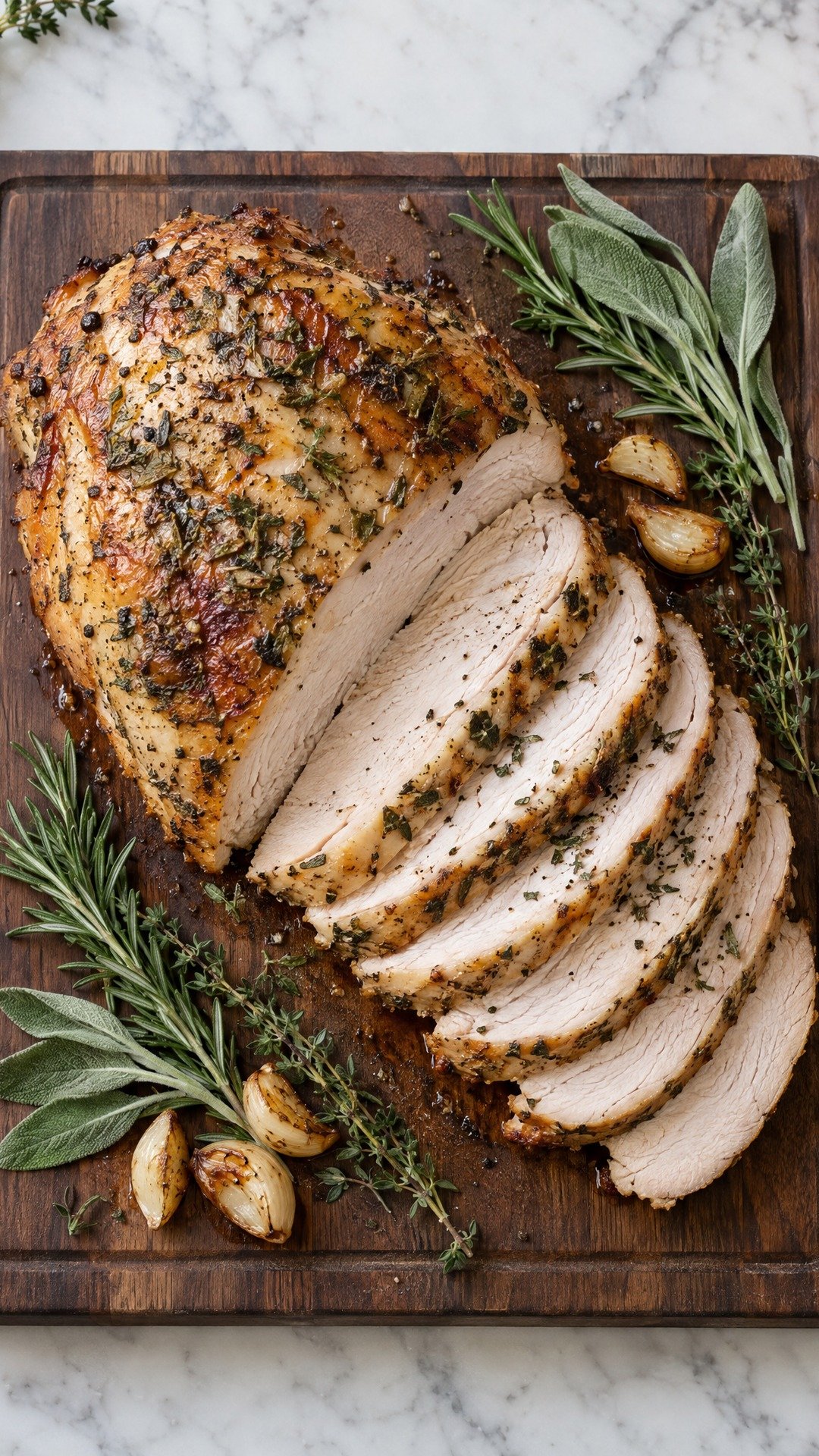
Easy Herb-Roasted Turkey Breast
Hosting a smaller Thanksgiving this year? Our juicy herb-roasted turkey breast with garlic herb butter has about 42g of protein per serving and is simple enough for a first-time host.
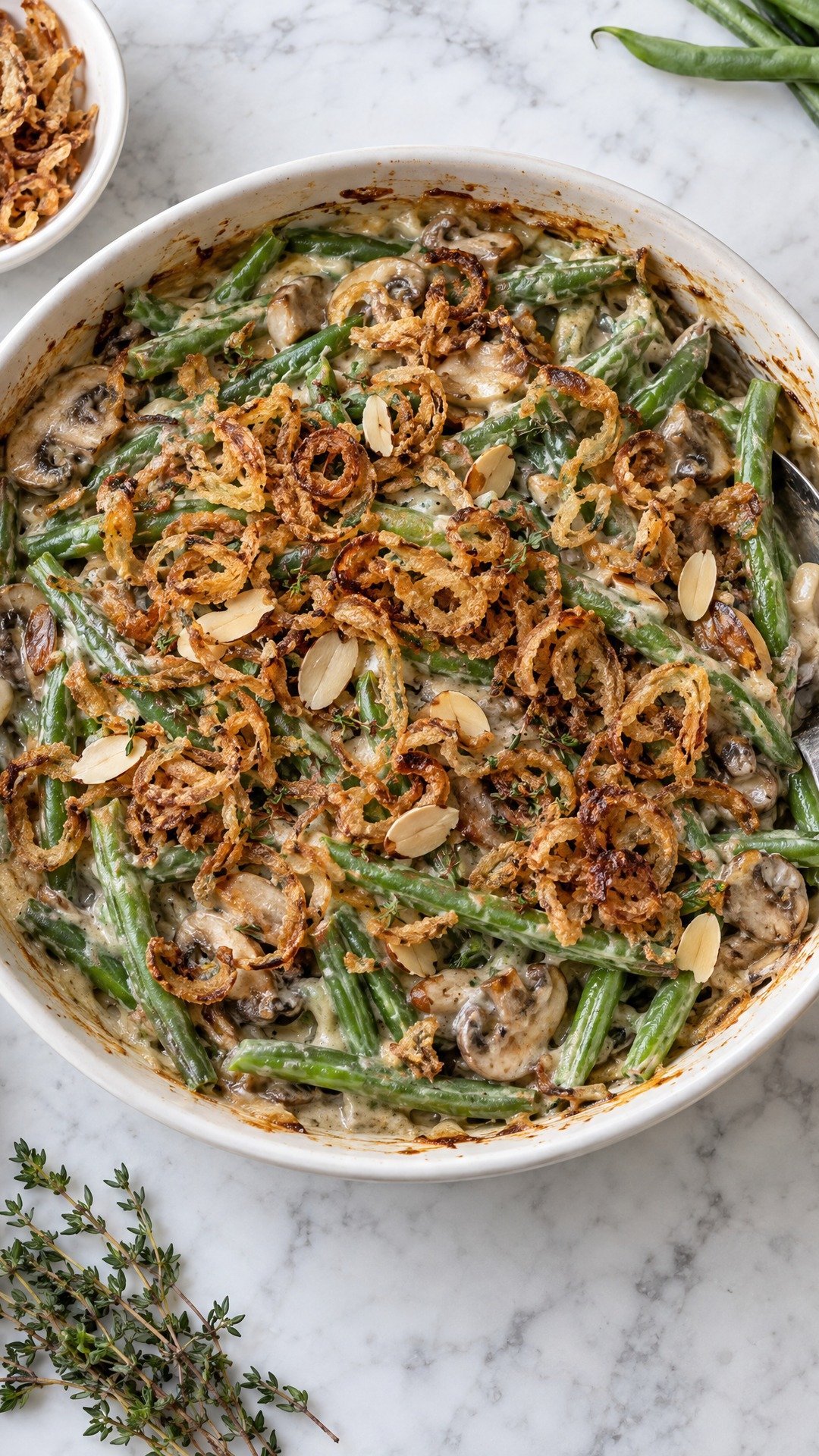
Lighter Green Bean Casserole (No Canned Soup)
We gave the classic green bean casserole a lighter makeover, with a creamy homemade mushroom sauce, crispy onions and no canned soup. It’s about 130 calories per serving and make-ahead friendly!
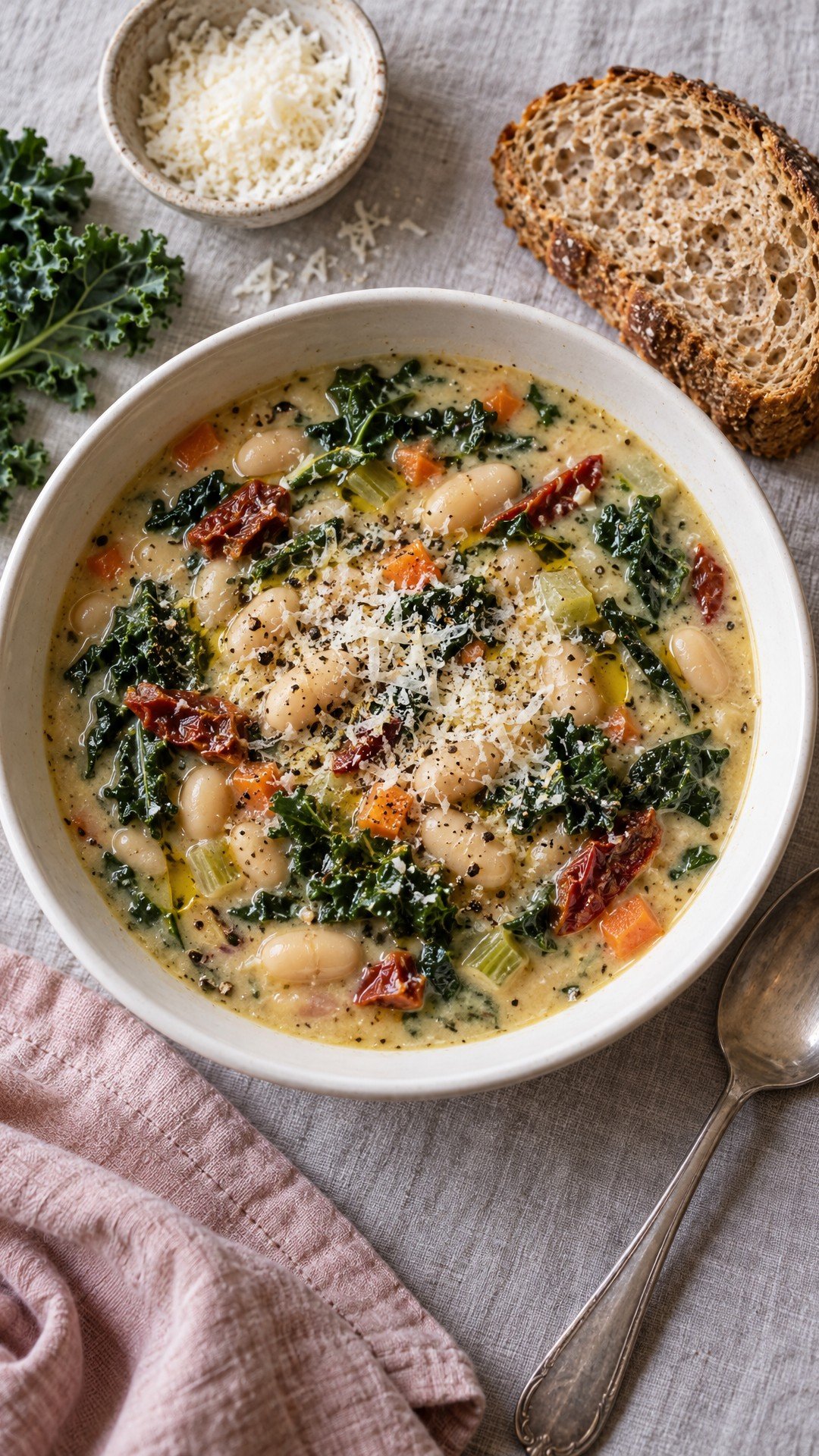
Creamy Tuscan White Bean Soup with Kale
Meet our new favorite cozy-night soup: rich, garlicky and full of sun-dried tomatoes and kale, with no heavy cream! Each bowl has about 17g of protein and it’s ready in about 40 minutes.