

15+ Vegan Low-Calorie Soups: Healthy Recipes for Weight Loss
“Let foods, such as healthy soup like cabbage soup and veggie soup, be thy medicine and medicine be thy food.” – Hippocrates
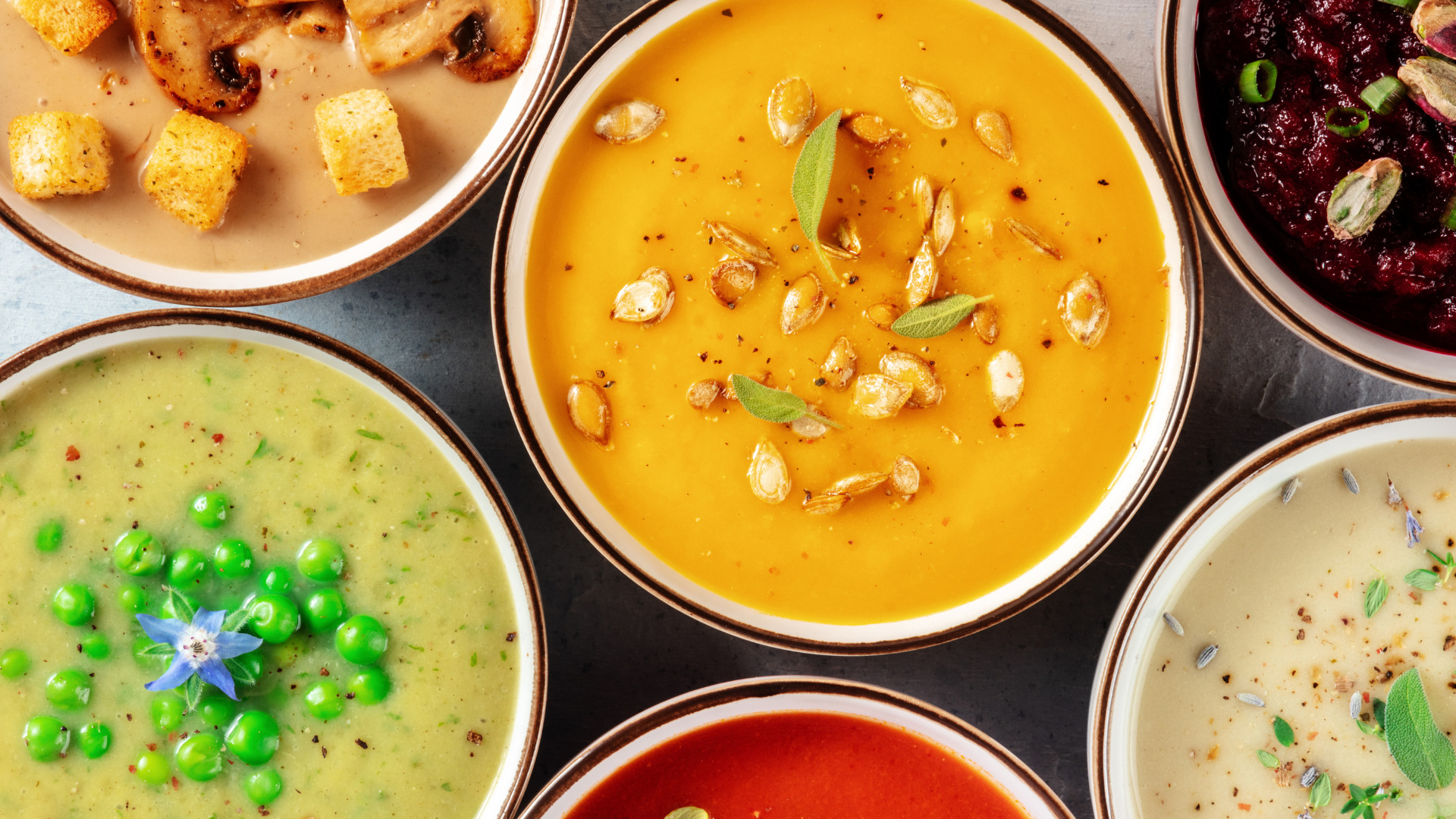
If you’re on the lookout for nutritious and delicious plant-based options that won’t derail your calorie count, vegan low-calorie soups with veggies and lentils are here to save the day. These clever meal choices, like healthy soup and weight loss soup, not only satisfy your hunger but also keep you on track with your health goals. Whether you choose a vegan soup or a healthy butternut squash soup, these options are perfect for maintaining a balanced diet. Packed with vitamins, minerals, and fiber, these butternut squash, tomato, and potato soups are a fantastic way to incorporate more vegetables into your diet without compromising flavor. Try this delicious recipe today!
With an array of clever meal calories recipes available, vegan low-calorie soups offer a world of possibilities. These soups are packed with flavor and can be made with ingredients like tomato and potato. From zucchini potato soup to creamy tomato bisques, there’s a flavorful soup recipe for every palate. Whether it’s a hearty vegetable stew or an inflammatory soup, you’ll find something to satisfy your taste buds. Plus, these creamy vegan soups are easy to prepare and customize according to your taste preferences. Whether you’re looking for a vegetable soup recipe or want to experiment with different flavors, these soups are sure to satisfy your cravings. Whether you’re looking for a potato recipe for a light lunch or a comforting dinner option, these soups tick all the boxes. In just minutes, you can enjoy a delicious meal. Plus, there’s a bonus – these soups are easy to make!
Benefits of Vegan Soups for Weight Loss
Low in calories but high in nutrients
Vegan soups are a fantastic option for individuals looking to shed some weight without compromising on nutrition. These soups can be made with various recipes, including a delicious potato soup. Plus, they come with the bonus of being healthy and satisfying. These potato soups are a great recipe for weight loss, as they are typically low in calories. You can enjoy a hearty bowl without worrying about exceeding your daily calorie intake. Plus, as a bonus, they are delicious! The best part? Despite being low in calories, vegan soup recipes are packed with essential nutrients that your body needs to thrive. Whether you’re looking to lose weight or simply enjoy a delicious meal, these potato-based soups are a great option. Plus, as a bonus, they are easy to make and perfect for any occasion.
Help control portion sizes and reduce calorie intake
One of the biggest challenges. It’s easy to overeat and consume more calories than necessary, leading to weight gain. However, with this bonus vegetable soup recipe, you can enjoy a delicious and healthy meal without worrying about excess calories. However, vegan soup recipes can be a game-changer in this regard. Since soup recipes are already portioned out into bowls or cups, they provide built-in portion control. By enjoying a satisfying bowl of vegan soup as a meal or snack, you can effectively manage your portion sizes and reduce your overall calorie intake.
Promote feelings of fullness and satiety
Ever find yourself feeling hungry shortly after finishing a meal? Try this delicious and filling soup recipe. That’s where the magic of vegan soups comes into play. These soups are often rich in fiber and protein, two key nutrients known for promoting feelings of fullness and satiety. When you consume a vegan soup that contains these satiating nutrients, you’re likely to feel satisfied for longer periods, reducing the urge to snack on unhealthy foods throughout the day.
Aid in digestion and support a healthy metabolism
Maintaining good digestion is crucial for weight loss success. Vegan soups can contribute significantly to improving digestive health due to their high fiber content. Fiber helps regulate bowel movements and prevents constipation, ensuring that waste moves through your system smoothly. Consuming vegan soups regularly can support a healthy metabolism by providing your body with essential vitamins and minerals needed for optimal functioning.
er nutrients and fiber may further exacerbate weight gain and make it difficult for our bodies to efficiently metabolize fats.
Provide a variety of flavors without compromising on health goals
Many individuals assume that they have to sacrifice flavor and settle for bland meals, but with the right soup recipe, you can enjoy delicious and flavorful dishes. However, vegan soups prove this notion wrong. These soups come in a wide variety of flavors, from comforting lentil and vegetable soups to spicy chili or creamy mushroom options. You can explore different recipes and experiment with various ingredients to find the perfect soup that satisfies your taste buds while aligning with your health goals.
Gluten-Free and Anti-Inflammatory Vegan Soup Recipes
Incorporating vegan soups into your diet not only supports weight loss but also offers a range of health benefits. If you have gluten sensitivities or celiac disease, finding suitable soup recipes can be challenging. However, with these gluten-free and anti-inflammatory vegan soup recipes, you can enjoy delicious meals that are both nourishing and satisfying.
Ideal for individuals with gluten sensitivities or celiac disease
For those looking for a gluten-free soup recipe, it’s essential to find alternatives that won’t cause discomfort or digestive issues. These vegan soup recipes are free from gluten-containing ingredients, making them safe and enjoyable for individuals with gluten sensitivities or celiac disease. By using ingredients like quinoa, rice noodles, or chickpea flour as substitutes for wheat-based products, these soups provide a tasty solution without compromising on flavor or texture.
Incorporate ingredients that help reduce inflammation in the body
Inflammation is a natural response by the body to protect itself from harm; however, chronic inflammation can lead to various health issues. These vegan soup recipes focus on incorporating ingredients known for their anti-inflammatory properties. Ingredients such as turmeric, ginger, garlic, and leafy greens contain compounds that help reduce inflammation in the body. By including these ingredients in your soups, you can support your overall well-being and potentially alleviate symptoms associated with inflammatory conditions.
Rich in antioxidants which can support overall health and well-being
Antioxidants play a crucial role in protecting our bodies against oxidative stress caused by free radicals. Free radicals are unstable molecules that can damage cells and contribute to aging and chronic diseases. The vegan soup recipes featured here include an array of antioxidant-rich ingredients such as colorful vegetables (like bell peppers), berries (such as blueberries), herbs (like parsley), and spices (such as cinnamon). Consuming soups packed with antioxidants can help boost your immune system and support your overall health and well-being.
Delicious options suitable for those following an anti-inflammatory diet plan
Following an anti-inflammatory diet plan can be challenging, especially. These vegan soup recipes are specifically designed to cater to individuals who are looking to reduce inflammation in their bodies. By using ingredients like turmeric, which contains a compound called curcumin known for its potent anti-inflammatory effects, these soups not only taste delicious but also provide you with the benefits of an anti-inflammatory diet.
Nourishing soups that promote optimal gut health
Maintaining a healthy gut is essential for overall well-being as it plays a significant role in digestion, nutrient absorption, and immune function. The vegan soup recipes featured here include ingredients that promote optimal gut health. Ingredients like miso paste, sauerkraut, or fermented vegetables contain probiotics that help support the growth of beneficial bacteria in the gut. Fiber-rich ingredients like lentils, beans, and vegetables contribute to a healthy digestive system by providing nourishment for the gut microbiota.
Incorporating gluten-free and anti-inflammatory vegan soups into your diet can be a fantastic way to support your health while enjoying delicious meals. Whether you have gluten sensitivities or are following an anti-inflammatory diet plan, these recipes offer tasty solutions that won’t compromise on flavor or nutrition. So why not give them a try and experience the nourishing benefits they have to offer?
Curried Butternut Squash Soup
When the weather cools down, there’s nothing quite as comforting as a warm and nourishing bowl of soup. This vegan recipe for curried butternut squash soup is not only delicious but also packed with nutritious ingredients. With its creamy texture, aromatic spices, and flavorful butternut squash, this soup is sure to become a seasonal favorite..
Simple Recipe
Preparing this creamy curried butternut squash soup is incredibly easy thanks to its simple recipe requiring minimal ingredients. Here’s what you’ll need:
1 medium-sized butternut squash, peeled, seeded, and cubed
1 tablespoon olive oil
1 medium onion, chopped
3 cloves of garlic, minced
1 tablespoon curry powder
1 teaspoon ground cumin
1 teaspoon ground coriander
1/2 teaspoon turmeric
1/4 teaspoon cayenne pepper (adjust to taste)
1 can (400ml) coconut milk
3 cups vegetable broth
Salt and pepper to taste
Fresh cilantro (coriander) for garnish
To make the soup:
In a large pot, heat olive oil over medium heat. Add the chopped onions and minced garlic, sautéing until they turn translucent and fragrant.
Add the curry powder, cumin, coriander, turmeric, and cayenne pepper to the pot. Stir well to coat the onions and garlic with the spices. Allow them to cook for a minute or two, releasing their flavors.
Add the cubed butternut squash to the pot, stirring to coat it with the spiced onion mixture. Cook for about 5 minutes, allowing the squash to soften slightly.
Pour in the coconut milk and vegetable broth. Stir well and bring the mixture to a boil. Once boiling, reduce the heat to low, cover the pot, and let it simmer for about 20-25 minutes or until the butternut squash is completely tender.
Using an immersion blender or regular blender, carefully puree the soup until smooth and creamy. If using a regular blender, work in batches, being cautious of the hot liquid.
Return the soup to the pot and season with salt and pepper to taste. Stir well to combine.
Bring the soup back to a gentle simmer and cook for an additional 5 minutes to allow the flavors to meld together.
Ladle the curried butternut squash soup into bowls, garnish with fresh cilantro leaves, and serve hot.
Creamy Zucchini Basil Soup
If you’re looking for a vegan low-calorie soup that is both nutritious and delicious, look no further than the creamy zucchini basil soup. Made from fresh zucchini and aromatic basil leaves, this velvety smooth soup is bursting with flavor while being low in calories and completely fat-free.
Bursting with Flavor
The combination of zucchini and basil creates a delightful taste sensation in this soup. The natural sweetness of the zucchini pairs perfectly with the herbaceous notes of the basil, resulting in a well-balanced and satisfying flavor profile. The creaminess of the soup adds a luxurious touch, making it feel indulgent despite being light on calories.
Nutritional Benefits
Not only is this creamy zucchini basil soup delicious, but it also offers several nutritional benefits. Zucchini is an excellent source of vitamin C, which supports immune function and helps protect against oxidative stress. It’s also rich in potassium, an essential mineral that aids in maintaining proper heart health and regulating blood pressure. Zucchini provides a good amount of dietary fiber, promoting healthy digestion.
Versatile Serving Options
One of the great things about this soup is its versatility. It can be enjoyed hot as a comforting meal during colder months or chilled as a refreshing option during the summer. By serving it cold, you can take advantage of its cooling properties while still benefiting from its nourishing qualities.
Simple Recipe
Preparing this creamy zucchini basil soup is incredibly easy thanks to its simple recipe requiring minimal ingredients. Here’s what you’ll need:
4 medium-sized zucchinis
1 onion
2 cloves of garlic
A handful of fresh basil leaves
Vegetable broth (enough to cover the vegetables)
Salt and pepper to taste
To make the soup:
Chop the onion and garlic.
Heat a pot over medium heat and sauté the onion and garlic until translucent.
Chop the zucchinis into small pieces and add them to the pot.
Pour in enough vegetable broth to cover the vegetables.
Bring the mixture to a boil, then reduce the heat and let it simmer for about 15-20 minutes or until the zucchini is tender.
Remove from heat and allow it to cool slightly before blending it until smooth using an immersion blender or regular blender.
Season with salt and pepper to taste.
Serve hot or chilled, garnished with fresh basil leaves.
Serving Suggestions
To elevate your creamy zucchini basil soup experience, here are some serving suggestions:
Top with a dollop of vegan sour cream for added creaminess.
Drizzle some homemade pesto on top for an extra burst of flavor.
Sprinkle grated vegan parmesan cheese on top for a cheesy touch.
Serve alongside crusty bread for dipping.
This soup is not only delicious but also highly satisfying thanks to its creamy texture and rich flavors. It’s perfect as a light lunch or dinner option that won’t leave you feeling weighed down.
So why not give this vegan low-calorie soup recipe a try? With its simple ingredients, burst of flavor, and nutritional benefits, it’s sure to become a favorite in your kitchen!
Original Veggie Ramen
Preparing this ramen basil soup is incredibly easy thanks to its simple recipe requiring minimal ingredients. Here’s what you’ll need:
- 4 cups vegetable broth
- 2 cups water
- 2 cloves garlic, minced
- 1 tablespoon ginger, grated
- 1 tablespoon soy sauce (or tamari for gluten-free option)
- 1 tablespoon miso paste
- 1 tablespoon sesame oil
- 1 teaspoon sriracha sauce (optional, for heat)
- 8 ounces ramen noodles (check for vegan-friendly options)
- 1 cup mushrooms, sliced (optional)
- 1 cup carrots, julienned
- 1 cup bok choy or broccoli, chopped
- 1 cup spinach or kale, chopped
- Green onions, sliced (for garnish)
- Sesame seeds (for garnish)
To make the soup:
- In a large pot, combine the vegetable broth, water, minced garlic, grated ginger, soy sauce, miso paste, sesame oil, and sriracha sauce (if using). Bring the mixture to a boil over medium-high heat.
- Once the broth is boiling, reduce the heat to low and let it simmer for about 10 minutes to allow the flavors to meld together.
- While the broth is simmering, cook the ramen noodles according to the package instructions. Drain and set aside.
- In a separate pan, heat a little oil over medium heat. Add the sliced mushrooms and cook until they start to brown and release their moisture.
- Add the julienned carrots to the pan with mushrooms and sauté for a few minutes until they begin to soften.
- Add the chopped bok choy and spinach or kale to the pan and cook until wilted.
- Divide the cooked ramen noodles among serving bowls.
- Ladle the hot broth over the noodles in each bowl.
- Top with sautéed vegetables.
- Garnish with sliced green onions and sesame seeds.
- Serve hot and enjoy!
Velvet Beet Soup
Preparing this creamy zucchini basil soup is incredibly easy thanks to its simple recipe requiring minimal ingredients. Here’s what you’ll need:
- 4 medium-sized beets, peeled and chopped
- 1 onion, diced
- 3 cloves of garlic, minced
- 2 tablespoons olive oil
- 4 cups vegetable broth
- 1 can (14 ounces) coconut milk
- 1 tablespoon lemon juice
- Salt and pepper to taste
- Fresh dill or parsley for garnish
To make the soup:
In a large pot, heat the olive oil over medium heat. Add the diced onion and minced garlic, and sauté until the onion becomes translucent and fragrant.
Add the chopped beets to the pot and stir well to combine with the onion and garlic. Cook for about 5 minutes, allowing the beets to soften slightly.
Pour in the vegetable broth and bring the mixture to a boil. Reduce the heat to low, cover the pot, and simmer for about 20 minutes or until the beets are tender.
Using an immersion blender or a regular blender, puree the soup until smooth and creamy.
Return the soup to the pot if using a regular blender. Stir in the coconut milk and lemon juice, and season with salt and pepper to taste.
Heat the soup over low heat until warmed through.
Serve hot, garnished with fresh dill or parsley.
Flavorful Thai Coconut Curry Soup
If you’re looking for a vegan low-calorie soup that packs a punch of flavor, look no further than the delightful Thai Coconut Curry Soup. This fragrant blend of Thai spices infused with a creamy coconut milk base will transport your taste buds to the bustling streets of Thailand. Let’s explore why this soup is a must-try for any soup lover.
A Blend of Sweet, Spicy, Sour, and Savory Flavors
Thai cuisine is known for its vibrant and harmonious flavors. The Thai Coconut Curry Soup perfectly captures this essence by offering a balance between sweet, spicy, sour, and savory flavors. The combination of green curry paste, coconut milk, coriander, maple syrup, saffron, cumin, and other aromatic spices creates a symphony of tastes that dance on your palate.
Nutrient-Dense Vegetables
In addition to its incredible flavor profile, this soup also features nutrient-dense vegetables that contribute to its overall health benefits. Bell peppers add a pop of color and provide vitamins A and C while mushrooms bring an earthy richness along with essential minerals like potassium and selenium. Spinach adds an extra dose of iron and folate to support overall well-being.
Healthy Fats from Coconut Milk
Coconut milk serves as the creamy base for this delectable soup. While some may be concerned about the fat content in coconut milk, it’s important to note that not all fats are created equal. The healthy fats found in coconut milk can actually have numerous benefits for our bodies when consumed in moderation. They provide satiety (feeling full), aid in nutrient absorption (such as fat-soluble vitamins), and offer energy for daily activities.
Satisfyingly Filling & Low in Calories
One common misconception about low-calorie soups is that they leave you feeling hungry shortly after consumption. However, the Thai Coconut Curry Soup defies that notion. Despite being low in calories, it manages to be satisfyingly filling due to the combination of nutrient-dense vegetables and the richness of coconut milk. So, you can enjoy a hearty bowl without worrying about overindulging.
How to Make Thai Coconut Curry Soup
Now that we’ve discussed why this soup is a flavor-packed winner, let’s dive into a simple recipe for making it at home. Here’s what you’ll need:
Ingredients:
1 tablespoon green curry paste
1 can (13.5 oz) coconut milk
1 cup vegetable broth
1 bell pepper, thinly sliced
1 cup mushrooms, sliced
2 cups spinach leaves
Fresh coriander for garnish
Juice of half a lemon
Instructions:
In a large pot or saucepan, heat the green curry paste over medium heat until fragrant.
Add the coconut milk and vegetable broth to the pot and stir well to combine.
Bring the mixture to a simmer and add the bell pepper and mushrooms.
Cook for about 5 minutes until the vegetables are tender.
Stir in the spinach leaves and cook for an additional minute until wilted.
Remove from heat and squeeze in the juice of half a lemon for added brightness.
Serve hot, garnished with fresh coriander.
Enjoy this delicious vegan low-calorie soup as a comforting meal on its own or pair it with some steamed rice or crusty bread for a more substantial dish.
Savory Creamed Broccoli Soup
Roasted vegan cauliflower soup is a delicious and nutritious dish that can be enjoyed by vegans and non-vegans alike. This soup is packed with flavor and has a creamy texture, making it a perfect comfort food option. Here is a detailed recipe for roasted vegan cauliflower soup:
Simple Recipe
Now that we’ve discussed why this soup is a flavor-packed winner, let’s dive into a simple recipe for making it at home. Here’s what you’ll need:
Ingredients:
1 head of broccoli, cut into florets
2 tablespoons of olive oil
1 onion, diced
3 cloves of garlic, minced
1 teaspoon of grated ginger
1 cup of vegetable broth
1 cup of non-dairy milk (such as soy milk or almond milk)
1/2 cup of non-dairy heavy cream
1 teaspoon of dried basil
1/2 teaspoon of dried oregano
Salt and pepper, to taste
Fresh parsley, chopped (optional)
Instructions:
- In a large pot, heat the olive oil over medium heat. Add the onion and garlic and sauté until softened, about 5 minutes.
- Add the broccoli to the pot and sauté for another 5 minutes, or until it starts to soften.
- Add the ginger, vegetable broth, and non-dairy milk to the pot. Bring the mixture to a simmer.
- Reduce the heat to low and let the soup simmer for 15-20 minutes, or until the broccoli is tender.
- Use an immersion blender to puree the soup until smooth. Alternatively, you can transfer the soup to a blender and blend until smooth, then return it to the pot.
- Stir in the heavy cream, dried basil, and dried oregano. Season the soup with salt and pepper to taste.
- Serve the soup hot, garnished with chopped fresh parsley if desired.
Enjoy this delicious vegan low-calorie soup as a comforting meal on its own or pair it with some steamed rice or crusty bread for a more substantial dish.
Pumpkin Carrot Soup
Roasted vegan cauliflower soup is a delicious and nutritious dish that can be enjoyed by vegans and non-vegans alike. This soup is packed with flavor and has a creamy texture, making it a perfect comfort food option. Here is a detailed recipe for roasted vegan cauliflower soup:
How to Make Pumpkin Carrot Soup
Now that we’ve discussed why this soup is a flavor-packed winner, let’s dive into a simple recipe for making it at home. Here’s what you’ll need:
Ingredients:
1 large head of cauliflower
2 tablespoons olive oil
1 onion, chopped
3 cloves of garlic, minced
4 cups vegetable broth
1 cup unsweetened almond milk (or any other plant-based milk)
1 teaspoon dried thyme
Salt and pepper to taste
Instructions:
Preheat your oven to 425°F (220°C).
Cut the cauliflower into florets and place them on a baking sheet. Drizzle with olive oil and season with salt and pepper.
Roast the cauliflower in the preheated oven for about 25-30 minutes, or until it turns golden brown and tender.
In a large pot, heat some olive oil over medium heat. Add the chopped onion and minced garlic, sautéing until they become translucent and fragrant.
Add the roasted cauliflower to the pot, along with the vegetable broth and dried thyme. Bring the mixture to a boil, then reduce the heat and let it simmer for about 15 minutes.
Using an immersion blender or regular blender, puree the soup until smooth and creamy. If using a regular blender, be sure to blend in batches and vent the lid to avoid any accidents from steam buildup.
Return the soup to the pot if necessary, then stir in the almond milk. Heat the soup over low heat until warmed through.
Season with additional salt and pepper to taste.
Serve hot and garnish with fresh herbs or a drizzle of olive oil if desired.
Enjoy this delicious vegan low-calorie soup as a comforting meal on its own or pair it with some steamed rice or crusty bread for a more substantial dish.
Roasted Cauliflower Soup
Roasted vegan cauliflower soup is a delicious and nutritious dish that can be enjoyed by vegans and non-vegans alike. This soup is packed with flavor and has a creamy texture, making it a perfect comfort food option. Here is a detailed recipe for roasted vegan cauliflower soup:
How to Make Roasted Cauliflower Soup
Now that we’ve discussed why this soup is a flavor-packed winner, let’s dive into a simple recipe for making it at home. Here’s what you’ll need:
Ingredients:
1 large head of cauliflower
2 tablespoons olive oil
1 onion, chopped
3 cloves of garlic, minced
4 cups vegetable broth
1 cup unsweetened almond milk (or any other plant-based milk)
1 teaspoon dried thyme
Salt and pepper to taste
Instructions:
Preheat your oven to 425°F (220°C).
Cut the cauliflower into florets and place them on a baking sheet. Drizzle with olive oil and season with salt and pepper.
Roast the cauliflower in the preheated oven for about 25-30 minutes, or until it turns golden brown and tender.
In a large pot, heat some olive oil over medium heat. Add the chopped onion and minced garlic, sautéing until they become translucent and fragrant.
Add the roasted cauliflower to the pot, along with the vegetable broth and dried thyme. Bring the mixture to a boil, then reduce the heat and let it simmer for about 15 minutes.
Using an immersion blender or regular blender, puree the soup until smooth and creamy. If using a regular blender, be sure to blend in batches and vent the lid to avoid any accidents from steam buildup.
Return the soup to the pot if necessary, then stir in the almond milk. Heat the soup over low heat until warmed through.
Season with additional salt and pepper to taste.
Serve hot and garnish with fresh herbs or a drizzle of olive oil if desired.
Enjoy this delicious vegan low-calorie soup as a comforting meal on its own or pair it with some steamed rice or crusty bread for a more substantial dish.
Chunky Potato Soup
Now that we’ve discussed why this soup is a flavor-packed winner, let’s dive into a simple recipe for making it at home. Here’s what you’ll need:
Ingredients:
1 large head of cauliflower
2 tablespoons olive oil
1 onion, chopped
3 cloves of garlic, minced
4 cups vegetable broth
1 cup unsweetened almond milk (or any other plant-based milk)
1 teaspoon dried thyme
Salt and pepper to taste
Instructions:
Preheat your oven to 425°F (220°C).
Cut the cauliflower into florets and place them on a baking sheet. Drizzle with olive oil and season with salt and pepper.
Roast the cauliflower in the preheated oven for about 25-30 minutes, or until it turns golden brown and tender.
In a large pot, heat some olive oil over medium heat. Add the chopped onion and minced garlic, sautéing until they become translucent and fragrant.
Add the roasted cauliflower to the pot, along with the vegetable broth and dried thyme. Bring the mixture to a boil, then reduce the heat and let it simmer for about 15 minutes.
Using an immersion blender or regular blender, puree the soup until smooth and creamy. If using a regular blender, be sure to blend in batches and vent the lid to avoid any accidents from steam buildup.
Return the soup to the pot if necessary, then stir in the almond milk. Heat the soup over low heat until warmed through.
Season with additional salt and pepper to taste.
Serve hot and garnish with fresh herbs or a drizzle of olive oil if desired.
Enjoy this delicious vegan low-calorie soup as a comforting meal on its own or pair it with some steamed rice or crusty bread for a more substantial dish.
Tasty Green Pea Soup
Vegan green pea soup is a delicious and nutritious dish that can be enjoyed by vegans and non-vegans alike. It is a simple and easy-to-make recipe that requires minimal ingredients and preparation time. In this comprehensive answer, we will provide you with a detailed step-by-step guide on how to make vegan green pea soup, along with some variations and tips to enhance the flavor.
Easy Recipe for Vegan Green Pea Soup
Now that we’ve discussed why this soup is a flavor-packed winner, let’s dive into a simple recipe for making it at home. Here’s what you’ll need:
Ingredients:
2 cups of green peas (fresh or frozen)
1 onion, chopped
2 cloves of garlic, minced
1 tablespoon of olive oil
4 cups of vegetable broth
1 teaspoon of dried thyme
Salt and pepper to taste
Instructions:
- Heat the olive oil in a large pot over medium heat. Add the chopped onion and minced garlic, and sauté until they become translucent and fragrant.
- Add the green peas to the pot and stir well to combine with the onions and garlic. Cook for a few minutes until the peas start to soften.
- Pour in the vegetable broth and bring the mixture to a boil. Reduce the heat to low, cover the pot, and let it simmer for about 15-20 minutes or until the peas are tender.
- Remove the pot from heat and allow it to cool slightly. Using an immersion blender or a regular blender, puree the soup until smooth and creamy. If using a regular blender, blend in batches to avoid any accidents due to hot liquid.
- Return the pureed soup to the pot and place it back on low heat. Stir in the dried thyme, salt, and pepper. Adjust the seasonings according to your taste preferences.
- Cook for an additional 5 minutes, stirring occasionally, until the flavors meld together.
- Once ready, ladle the vegan green pea soup into bowls and serve hot. You can garnish it with a drizzle of olive oil, a sprinkle of fresh herbs like parsley or chives, or even some vegan sour cream if desired.
Different Variations for Green Pea Soup
– Creamy Green Pea Soup: If you prefer a creamier texture, you can add a splash of plant-based milk (such as almond milk or coconut milk) to the soup while blending. This will give it a richer and smoother consistency.
– Spiced Green Pea Soup: For an extra kick of flavor, you can add spices like cumin, coriander, or curry powder to the soup. Simply sprinkle them in while sautéing the onions and garlic for a fragrant and spiced twist.
– Chunky Green Pea Soup: If you enjoy some texture in your soup, reserve a handful of cooked green peas before blending. Once the soup is pureed, stir in the reserved peas to add some bite and visual appeal.
Helpful Tips
1. If using fresh green peas, make sure to shell them before cooking. This will ensure a smoother texture in the final soup.
2. If using frozen green peas, there’s no need to thaw them before adding to the pot. They will cook perfectly fine from frozen.
3. To make the soup even more nutritious, you can add some leafy greens like spinach or kale during the last few minutes of cooking. This will boost the vitamin and mineral content of the dish.
4. Leftover vegan green pea soup can be stored in an airtight container in the refrigerator for up to 3-4 days. It can also be frozen for longer storage.
Instant Pot Lentil and Vegetable Soups
If you’re a busy individual looking for a quick and convenient option to whip up a hearty and nutritious meal, look no further than these Instant Pot lentil and vegetable soups. By using the popular Instant Pot appliance, you can save time without compromising on flavor or healthiness. Let’s dive into the details of these versatile recipes that combine protein-rich lentils with a variety of colorful vegetables.
Quick Cooking Method with the Instant Pot
The Instant Pot is a game-changer. With its pressure cooking function, it significantly reduces the cooking time compared to traditional stovetop methods. You can have a delicious soup ready to serve in under 30 minutes, making it perfect for those hectic weeknight dinners or last-minute meal preparations.
Protein-Rich Lentils and Colorful Vegetables
Lentils are an excellent source of plant-based protein, making them an ideal ingredient for vegan low-calorie soups. These legumes not only provide essential nutrients but also add heartiness and texture to your soup. The combination of lentils with various vegetables creates a well-balanced dish packed with vitamins, minerals, and fiber.
Some popular choices for lentil soup recipes include green lentils, brown lentils, or even red lentils if you prefer a creamier texture. You can also experiment with different types of vegetables such as sweet potatoes, peas, carrots, spinach, or bell peppers to add both flavor and color to your soup.
Easy Customization to Personal Preferences
One of the great advantages of these instant pot lentil and vegetable soups is their versatility. You can easily customize them according to your personal preferences or what ingredients you have on hand. Here are some ideas for customization:
Spices: Add your favorite spices like cumin, paprika, turmeric, or chili powder to enhance the flavor profile of your soup.
Broth: Use vegetable broth or even mushroom broth for extra depth of flavor.
Herbs: Experiment with fresh herbs like thyme, rosemary, or parsley to add a burst of freshness.
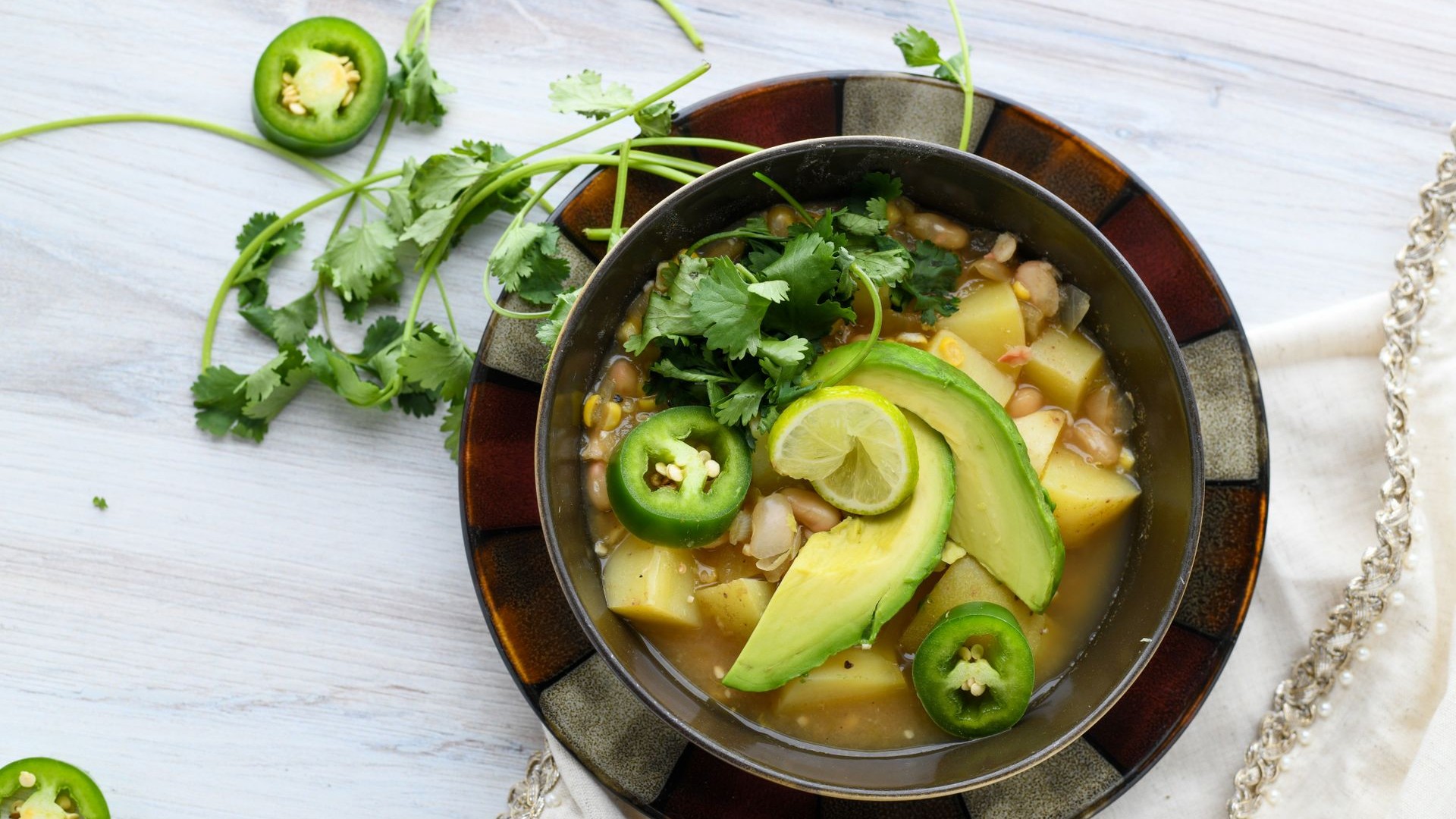
Toppings: Garnish your soup with toppings like avocado slices, chopped cilantro, or a squeeze of lemon juice for an extra kick.
Pros:
Quick cooking time saves you valuable time in the kitchen.
Protein-rich lentils provide essential nutrients and make the soup more filling.
Versatile recipes allow for customization based on personal preferences.
Colorful vegetables add visual appeal and boost nutritional value.
Cons:
The Instant Pot requires some learning to understand its functions and settings properly.
Overcooking can lead to mushy lentils or overly soft vegetables, so it’s important to follow recipe instructions carefully.
Loaded Creamy Mushroom Soup
Mushroom soup is a classic comfort food that can be easily adapted to a vegan diet. Here’s a simple recipe for a delicious and hearty vegan mushroom soup that’s perfect for a chilly fall or winter evening.
Now that we’ve discussed why this soup is a flavor-packed winner, let’s dive into a simple recipe for making it at home. Here’s what you’ll need:
Ingredients:
2 tablespoons olive oil
1 medium onion, diced
3 cloves garlic, minced
2 cups mixed mushrooms (such as cremini, shiitake, and button), sliced
2 cups vegetable broth
1 cup non-dairy milk (such as soy milk or almond milk)
1 teaspoon dried thyme
1/2 teaspoon dried rosemary
Salt and pepper, to taste
2 tablespoons chopped fresh parsley, for garnish
Instructions:
- In a large pot or Dutch oven, heat the olive oil over medium heat. Add the diced onion and sauté until softened, about 5 minutes.
- Add the minced garlic and sauté for another minute, until fragrant.
- Add the sliced mushrooms and sauté until they release their moisture and start to brown, about 5-7 minutes.
- Pour in the vegetable broth and bring the mixture to a simmer.
- Reduce the heat to low and let the soup simmer for 10-15 minutes, or until the mushrooms are tender and the liquid has reduced slightly.
- Use an immersion blender (or transfer the soup to a blender in batches) to puree the soup until smooth.
- Return the soup to the pot and add the non-dairy milk. Heat the soup over low heat until warmed through.
- Season the soup with salt, pepper, thyme, and rosemary. Taste and adjust the seasoning as needed.
- Serve the soup hot, garnished with chopped fresh parsley.
Spicy Black Bean Soup with a Brazilian Twist
If you’re looking for a zesty and flavorful soup that will tantalize your taste buds, look no further than this Spicy Black Bean Soup with a Brazilian Twist. This soup combines the rich flavors of black beans, tomatoes, and spices, infused with traditional Brazilian ingredients like cumin and cilantro. Not only is it delicious, but it’s also a great option for those following a vegan low-calorie diet.
A Zesty Combination of Ingredients
The star of this soup is undoubtedly the black beans. Packed with plant-based protein and fiber, black beans are not only filling but also aid in weight loss efforts by keeping you satisfied for longer periods. They provide essential minerals such as iron and folate, which are important for maintaining overall health.
To enhance the flavor profile of this soup, we add tomatoes for tanginess and depth. The combination of black beans and tomatoes creates a hearty base that forms the foundation of this dish.
Traditional Brazilian Flavors
What sets this soup apart is its infusion of traditional Brazilian flavors. Cumin adds warmth and earthiness to the dish while complementing the smokiness of the black beans. Cilantro adds brightness and freshness, balancing out the richness of the other ingredients.
A Touch of Heat
For those who enjoy a bit of spice in their meals, this soup delivers just that. With spices like cumin and chili powder, it adds a touch of heat to your palate without overwhelming it. The spiciness can be adjusted according to personal preference by adding more or less chili powder
Low-Calorie Goodness
One of the highlights of this recipe is its low-calorie content. By using plant-based ingredients like black beans instead of higher-calorie options like meat or dairy products, you can enjoy a satisfying bowl without worrying about excessive calorie intake.
This soup incorporates other nutritious ingredients like spinach, which adds a pop of green and boosts the nutritional value. Spinach is rich in vitamins and minerals while being low in calories, making it an excellent addition to any weight loss or healthy eating plan.
Simple Preparation
Preparing this Spicy Black Bean Soup with a Brazilian Twist is incredibly simple. The recipe typically involves sautéing onions and garlic, adding black beans, tomatoes, spices, and vegetable broth. The soup can then be simmered until the flavors meld together beautifully.
To add even more depth and complexity to the soup, a drizzle of balsamic vinegar can be added at the end. This adds a touch of tanginess that complements the other flavors perfectly.
Serving Suggestions
There are endless possibilities. It can be enjoyed on its own as a satisfying meal or paired with some crusty bread for dipping. For added freshness and crunch, garnish with chopped cilantro or cabbage.
If you’re looking to make it even heartier, consider serving it over cooked quinoa or brown rice. The grains will soak up the flavorful broth and provide additional sustenance.
In Summary
This Spicy Black Bean Soup with a Brazilian Twist is a fantastic option for those seeking a vegan low-calorie meal packed with flavor and nutrition. With its zesty combination of black beans, traditional Brazilian spices like cumin and cilantro, and a touch of heat from chili powder, this soup is sure to satisfy your cravings while keeping your calorie intake in check.
So why not give this delicious recipe a try? It’s super easy to make and will leave you feeling satisfied without weighing you down!
Authentic Tomato Bisque Soup
Tomato bisque is a rich and creamy soup that is typically made with heavy cream and butter. However, it can also be made vegan by substituting these ingredients with plant-based alternatives. Here is a vegan tomato bisque soup recipe that uses cashew cream instead of heavy cream and olive oil instead of butter.
Now that we’ve discussed why this soup is a flavor-packed winner, let’s dive into a simple recipe for making it at home. Here’s what you’ll need:
Ingredients:
2 tablespoons olive oil
1 onion, diced
3 cloves garlic, minced
2 cups fresh tomatoes, diced
1 cup vegetable broth
1/2 cup of non-dairy heavy cream
1 teaspoon dried basil
Salt and pepper, to taste
Fresh parsley, chopped (optional)
Instructions:
- In a large pot, heat the olive oil over medium heat. Add the onion and garlic and sauté until softened, about 5 minutes.
- Add the diced tomatoes and vegetable broth to the pot and bring to a simmer. Reduce the heat to low and let cook for 10 minutes.
- Use an immersion blender or transfer the mixture to a blender and puree until smooth.
- Return the mixture to the pot and add the cashew cream, dried basil, salt, and pepper. Stir to combine and let simmer for 5 minutes.
- Taste and adjust the seasoning as needed. Serve hot, garnished with chopped parsley if desired
Grandma's Corn Chowder Soup
Corn chowder soup is a delicious and nutritious plant-based dish that is perfect for those following a vegan lifestyle or looking to incorporate more plant-based meals into their diet. This soup typically features a creamy base made from blended corn, along with various vegetables, herbs, and spices. It is a comforting and hearty option that can be enjoyed as a main course or as a side dish.
Now that we’ve discussed why this soup is a flavor-packed winner, let’s dive into a simple recipe for making it at home. Here’s what you’ll need:
Ingredients:
- 4 cups of fresh or frozen corn kernels
- 1 onion, diced
- 2 cloves of garlic, minced
- 2 carrots, diced
- 2 celery stalks, diced
- 4 cups of vegetable broth
- 1 cup of unsweetened plant-based milk (such as almond or soy milk)
- 2 tablespoons of nutritional yeast (optional)
- 1 teaspoon of smoked paprika
- 1 teaspoon of dried thyme
- Salt and pepper to taste
- Fresh parsley or chives for garnish
Instructions:
- In a large pot, heat some oil over medium heat. Add the diced onion and minced garlic, and sauté until the onion becomes translucent.
- Add the diced carrots and celery to the pot, and cook for another few minutes until they start to soften.
- Add the corn kernels to the pot, reserving about 1 cup for later use. Stir well to combine with the other vegetables.
- Pour in the vegetable broth and bring the mixture to a boil. Reduce the heat to low and let it simmer for about 15 minutes, or until the vegetables are tender.
- Using an immersion blender or a regular blender, blend about half of the soup until smooth and creamy. Be careful when blending hot liquids – if using a regular blender, allow the soup to cool slightly before blending and blend in batches if necessary.
- Return the blended soup to the pot and stir in the plant-based milk, nutritional yeast (if using), smoked paprika, dried thyme, salt, and pepper. Cook for another 5 minutes to allow the flavors to meld together.
- Add the reserved corn kernels to the pot and cook for an additional 5 minutes, or until the corn is tender.
- Taste and adjust the seasonings as needed. If the soup is too thick, you can add more vegetable broth or plant-based milk to achieve your desired consistency.
- Serve the vegan corn chowder soup hot, garnished with fresh parsley or chives.
Embracing Healthy Vegan Soups
Congratulations on completing the sections before the conclusion! You’ve taken a step towards a healthier lifestyle by exploring the world of vegan low-calorie soups. These soups not only offer numerous benefits for weight loss but also provide a delicious and satisfying way to nourish your body.
Now that you have discovered the benefits and tried some mouthwatering recipes, it’s time to make them a regular part of your diet. Incorporating healthy vegan soups into your meals can help you shed those extra pounds while keeping you energized throughout the day. So why not start experimenting with different flavors, textures, and ingredients? Your taste buds will thank you, and your body will reap the rewards.
FAQs
Can I freeze vegan soups?
Yes, absolutely! Freezing vegan soups is a great way to save time and ensure you always have a nutritious meal on hand. Simply let the soup cool down, transfer it to freezer-safe containers or bags, label them with the date, and pop them in the freezer. When you’re ready to enjoy your soup, thaw it overnight in the refrigerator or heat it directly from frozen on low heat.
Are vegan soups suitable for people with gluten allergies?
Definitely! One of the advantages of vegan soups is that they can easily be made gluten-free. In fact, many of the recipes we’ve shared are naturally gluten-free or can be adapted by substituting ingredients like wheat-based noodles or flour with gluten-free alternatives such as rice noodles or chickpea flour.
How long do vegan soups last in the refrigerator?
Vegan soups typically last around 4-5 days when stored properly in an airtight container in the refrigerator. It’s important to let them cool down before refrigerating and reheat them thoroughly before consuming. If you don’t plan on finishing all of your soup within that timeframe, consider freezing the leftovers for future meals.
Can I add protein to vegan soups?
Absolutely! While many vegetables and legumes in vegan soups already provide a good amount of protein, you can enhance the protein content even further by adding ingredients like tofu, tempeh, seitan, or plant-based protein powders. These additions will not only increase the nutritional value but also make your soup heartier and more satisfying.
Are there any low-calorie vegan soups that are spicy?
Definitely! If you enjoy a bit of heat in your meals, there are plenty of low-calorie vegan soup options that pack a spicy punch. You can incorporate ingredients like chili peppers, cayenne pepper, or hot sauce to add some fiery flavor. Our Spicy Black Bean Soup with a Brazilian Twist is a perfect example of how you can combine spiciness with deliciousness in one bowl.
So go ahead and continue your journey into the world of healthy vegan soups. Remember to get creative with your recipes, listen to your body’s needs, and enjoy every spoonful as you nourish yourself from within.
Share:
Social Media
Most Popular


7-Day Gut-Friendly Meal Plan for Women

Foods That Bloat vs. Foods That Help

High-Fiber Meal Ideas for Women
Subscribe To Our Weekly Newsletter
No spam, notifications only about new post, updates.
Categories
Related Posts

Thanksgiving Without the Guilt: 9 Ways to Enjoy the Holiday and Still Feel Good
Ladies, let’s make a deal: no guilt this Thanksgiving! We’re sharing 9 simple ways to enjoy every bite and still wake up feeling good on Friday.
7-Day Gut-Friendly Meal Plan for Women
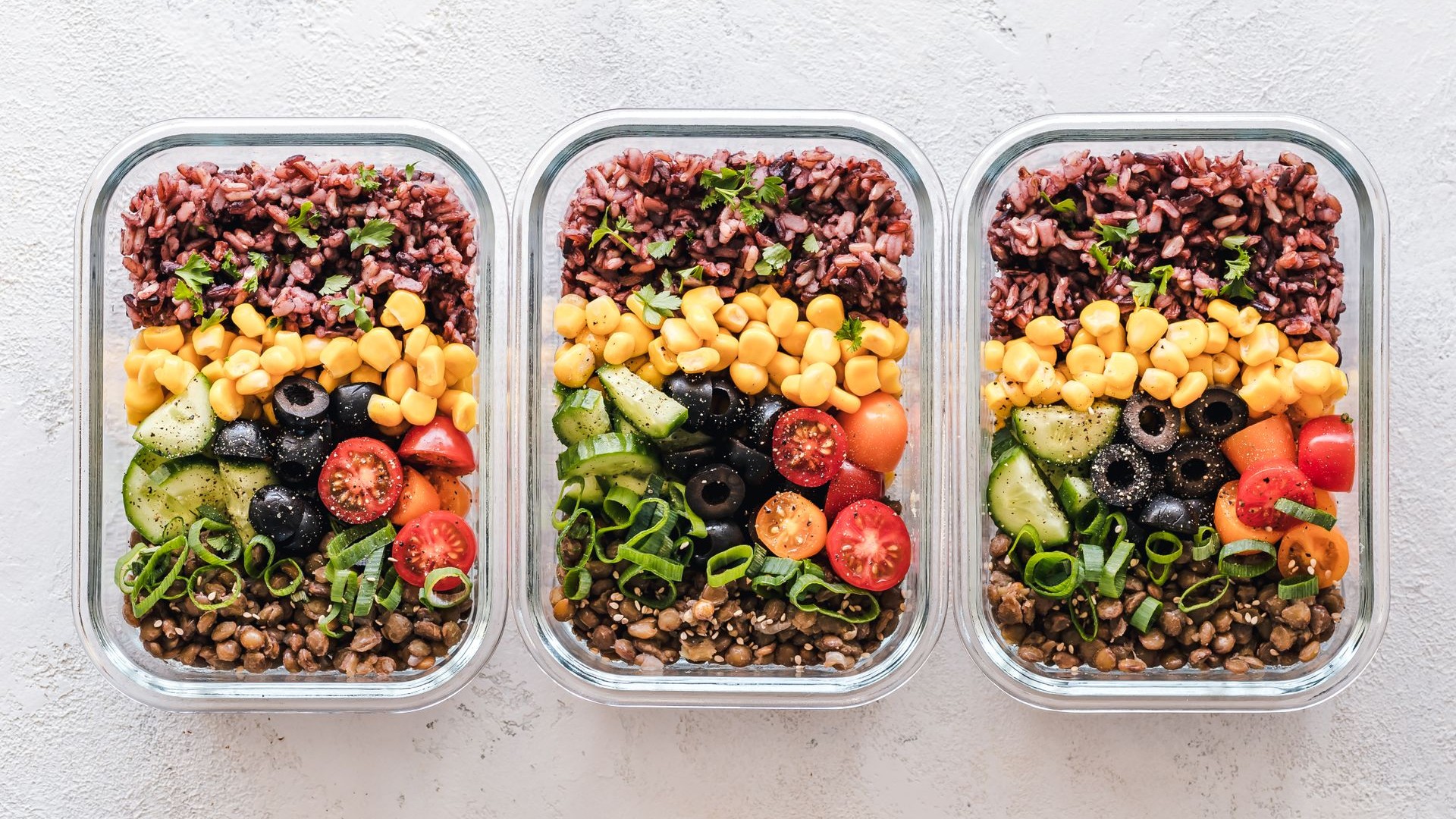
A 7-day gut-friendly meal plan does not have to mean a diet overhaul — it means one week of ordinary meals built around fibre, fermented foods, and water, using recipes we already cook on Custom Curves. Every meal below links to a real recipe on this site, so you can cook along day by day, or pick the days you like and repeat them. There is no calorie counting here, no foods banned, and no cleanse — just a week of eating in a way that tends to help digestion, plus one small habit a day. How this plan works: each day has a breakfast, a lunch, a dinner, and a snack, plus one small gut habit. Prep the soups and overnight oats in advance if you can — the Tuscan white bean soup, lentil soup, and overnight oats all keep well for a few days in the fridge. If a meal does not suit you, swap it for another day’s meal; the plan is a starting point, not a prescription. If you have a digestive condition like IBS, are pregnant, or take medication that affects your digestion, check in with your doctor or a registered dietitian before making big changes to how you eat. This plan is general information, not medical advice. The ideas behind this plan Three simple ideas, borrowed from our gut-health posts: Fibre, added slowly. The Dietary Guidelines for Americans recommend roughly 22 to 28 grams of fibre a day for adult women, depending on age. This plan gets there with oats, beans, lentils, fruit with the skin on, and seeds — added a little at a time, not all at once. One fermented food a day. Yogurt, kefir, kimchi, sauerkraut, or kombucha — a small serving, not a large one. Our fermented-foods guide recommends one or two small servings a day and building up slowly. Water with every meal. Fibre works best with fluid, and water helps digestion and nutrient movement. Keep a water bottle close all week. For the full background — probiotics vs. prebiotics, fibre, fermented foods, and the signs your gut may need support — read our pillar guide first. Day 1 — Start with oats and a soup Breakfast: High-Protein Pumpkin Spice Overnight Oats (31g Protein) — about 8 grams of fibre per serving, according to our fibre guide. Make it the night before, and top it with raspberries in the morning. Lunch: Avocado Toast with Poached Egg on whole-grain bread — avocado is about 10 grams of fibre per cup, per our high-fibre foods post. Dinner: Creamy Tuscan White Bean Soup with Kale — about 17g protein, about 10g fibre, about 280 kcal per serving, ready in about 40 minutes, no heavy cream. Make a double batch: it keeps well, and you will want it again on Day 4. Snack: A pear with a handful of almonds — the pear with its skin is about 5–6 grams of fibre. Today’s habit: Drink a glass of water with each meal. Day 2 — Beans and a fermented food Breakfast: Vegan Overnight Oats with Nuts & Seeds — oats, nuts, and seeds, ready when you wake up. Stir in a spoonful of chia seeds for a little more fibre. Lunch: Mediterranean Lemon Chickpea Patties with Yogurt Sauce — chickpeas for fibre, yogurt sauce for live cultures, in one meal. Dinner: Black Bean and Sweet Potato Chili Soup — beans and sweet potato, two fibre-rich foods in one bowl. Snack: Strawberry Yogurt Bites — a yogurt-based snack that adds live cultures between meals. Today’s habit: Add one fermented food — a spoonful of sauerkraut or kimchi with dinner, or a small glass of kefir. Start small. Day 3 — Lentils and a walk Breakfast: Greek Yogurt Protein Muffins with a sliced apple (skin on) — yogurt for live cultures, apple for fibre. Lunch: Black Bean Crunch Wraps — beans (about 7–8 grams of fibre per half cup cooked) in a lunch you will actually look forward to, with crunchy vegetables and a whole-grain wrap. Dinner: 10-Minute Lentil Soup — lentils are one of the highest-fibre foods we cover (about 15 grams per cup), and this soup is on the table faster than takeout. Snack: Healthy Chewy High-Fiber Flaxseed Cookies — flaxseed in a snack you will actually want to eat. Today’s habit: Take a 15–20 minute walk after dinner. Movement stimulates bowel function, and a walk counts. Day 4 — Leftovers and a light bowl Breakfast: High-Protein Pumpkin Spice Overnight Oats (31g Protein) again — make a second batch the night before, or use the vegan overnight oats if you prefer. Lunch: Leftover Creamy Tuscan White Bean Soup with Kale from Day 1 — this is why you made a double batch. Dinner: Chili-Lime Shrimp Bowl — a fresh, light dinner. Pair it with brown rice or quinoa instead of white rice for a little more fibre. Snack: Chocolate Chia Seed Pudding — chia seeds are about 10 grams of fibre per ounce, and pudding makes them feel like dessert. Today’s habit: Swap one fizzy drink for still water or a low-sugar kombucha. Our probiotic-drinks guide has six fizzy options that taste like soda. Day 5 — A skillet and a salad Breakfast: Vegan Overnight Oats with Nuts & Seeds with raspberries — raspberries are about 8 grams of fibre per cup. Lunch: Cranberry Apple Salad with one of our homemade sugar-free dressings — fruit with the skin on, nuts, and greens in one bowl. Dinner: High-Protein Turkey & Butternut Squash Skillet (31g) — about 9 grams of fibre per serving thanks to black beans and squash, according to our fibre guide. A one-pan dinner that covers protein and fibre at once. Snack: A pear with a handful of almonds, or veggies with hummus. Today’s habit: Eat slowly and chew well. Eating fast means swallowing air, which adds to bloating. Day 6 — A slow day, a warm soup Breakfast: Avocado Toast with Poached Egg on whole-grain bread, with a side of
Foods That Bloat vs. Foods That Help
Foods that bloat and foods that help are often the same kinds of foods, eaten differently — beans can bloat you when you eat a lot of them suddenly, and the same beans can help your digestion once your gut is used to them. That is the honest truth about bloating: it is rarely one “bad” food, and it is almost never fixed by cutting out whole food groups. This post gives you a side-by-side look at which foods commonly cause bloating, which ones tend to calm digestion, and the simple swaps that make the biggest difference — all based on our own bloating and gut-health posts, and all easy to live with. If bloating is your main concern, read this alongside our two bloating posts — one on the foods that cause it, one on ten natural ways to reduce it. And remember: if bloating is severe, persistent, or comes with pain, weight loss, or big changes in your digestion, talk to your doctor. This post is general information, not medical advice. What is bloating, really? Bloating is that uncomfortably full, gassy, swollen feeling after eating — and it is one of the most common gut complaints we hear about. It happens when gas builds up in your digestive system, or when your gut is working harder than usual to break food down. It is not the same as body fat: bloating comes and goes, often within hours, while body fat changes slowly over weeks and months. Our bloating-vs-fat post explains the difference in detail, and it is worth reading if you have ever confused the two — because they call for very different fixes. Bloating can also be a sign of something worth paying attention to. Our signs-of-poor-gut-health post lists bloating and gas after eating as the first sign to watch for, alongside fatigue, skin breakouts, irregular bowel movements, and hormonal changes. One sign on its own usually means nothing; several together are a nudge to look at your gut habits — and to talk to your doctor if they persist. Foods that commonly cause bloating From our foods-that-cause-bloating post, these are the usual suspects. Notice that most of them are healthy foods — the problem is usually how much, how fast, or how they are cooked, not the food itself. Legumes and beans Beans and lentils are high in fibre and in complex carbohydrates that reach the large intestine undigested, where gut bacteria ferment them and produce gas. That is why a big bowl of beans can leave you bloated — especially if you do not eat them often. The fix is not to quit beans: it is to eat them regularly in smaller amounts, cook them well, and drink water with them. Your gut adjusts over a week or two, and the bloating usually settles. Cruciferous vegetables Broccoli, cauliflower, cabbage, Brussels sprouts, and kale are packed with nutrients — and they contain raffinose sugars that are not easily digested by the human body. Like beans, these reach the large intestine undigested and are fermented by gut bacteria, producing gas. Cooking cruciferous vegetables helps break down some of these complex carbohydrates and makes them easier to digest, according to our bloating post. So steamed broccoli is usually easier on your gut than a big raw kale salad. Carbonated drinks Soda, sparkling water, and other fizzy drinks are notorious for causing bloating. The carbonation is carbon dioxide gas, and when you drink it, those bubbles can accumulate in your digestive system. Many carbonated drinks also contain high amounts of added sugars or artificial sweeteners, which can be difficult to digest and may lead to more gas. If fizzy drinks are a daily habit, try swapping one a day for still water or a probiotic drink — our probiotic-drinks guide has six fizzy options that taste like soda. Other foods that may cause bloating in some people Dairy products — lactose intolerance can lead to bloating and digestive discomfort when you eat dairy. Fatty foods — high-fat meals slow digestion, leading to a feeling of fullness and bloating. Wheat and gluten-containing foods — if you have gluten sensitivity or celiac disease, wheat-based foods may cause bloating. Certain artificial sweeteners — sorbitol and xylitol can have a laxative effect and cause bloating. Individual reactions vary a lot. Keeping a food diary and paying attention to your own triggers helps more than cutting out whole food groups at random — and a healthcare professional or registered dietitian can give you personalised advice. Foods that tend to help digestion These are the foods our gut-health posts come back to again and again — not because any one of them is magic, but because they support the gut in different ways: probiotics, prebiotics, fibre, water, and easy digestion. Fermented foods (probiotics) Kefir, yogurt with live and active cultures, kimchi, sauerkraut, and kombucha add live beneficial bacteria to your gut. Our fermented-foods guide recommends one or two small servings a day — a spoonful of sauerkraut, a small glass of kefir, a few bites of yogurt — and building up slowly. Start small: a big serving on day one is more likely to cause gas than to help. Prebiotic foods (food for the good bacteria) Garlic, onions, leeks, asparagus, bananas (especially slightly green ones), apples, chicory root, oats and barley, and flaxseeds feed the good bacteria in your gut. You are probably already eating several of these — the trick is eating them regularly. Add garlic and onions to dinner, a banana as a snack, oats for breakfast, and you are covering the bases without thinking about it. High-fibre foods, added slowly Oats, lentils, beans, raspberries, pears and apples with the skin on, chia seeds, and flaxseeds are the fibre foods our posts recommend most. The key word is slowly: add fibre gradually over a week or two and drink plenty of water, and the bloating that sometimes comes with extra fibre usually settles as your gut adjusts. Our fibre guide has the
High-Fiber Meal Ideas for Women
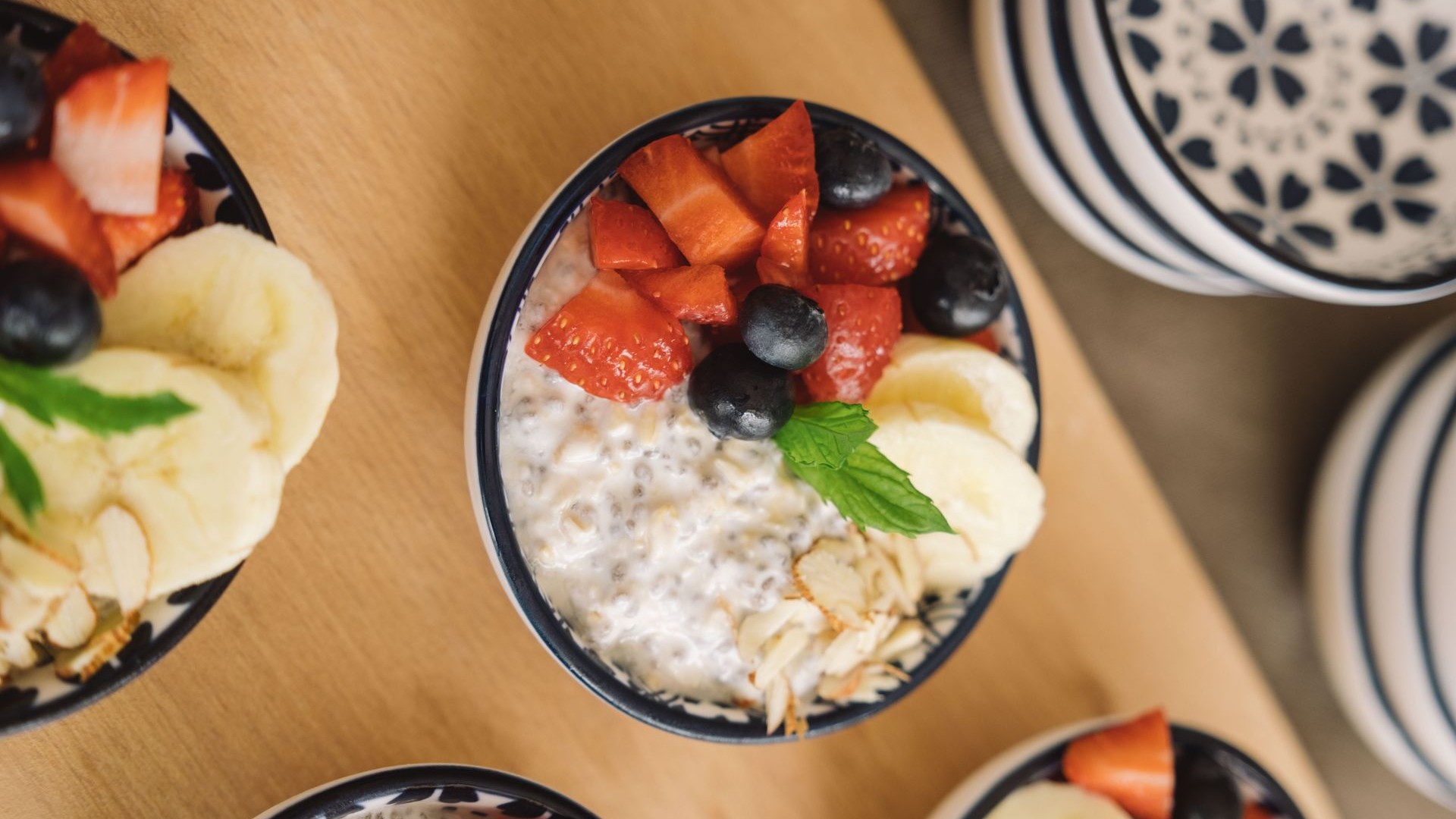
High-fibre meal ideas for women do not have to mean a diet overhaul — they mean adding one fibre-rich food to meals you already eat. Oats for breakfast, beans in a soup, a pear with a handful of almonds as a snack: small additions like these are how most women close the fibre gap. The Dietary Guidelines for Americans recommend roughly 22 to 28 grams of fibre a day for adult women, depending on age, and note that fibre is one of the nutrients most Americans do not get enough of. (Dietary Guidelines for Americans, 2020–2025) This post gives you easy breakfasts, lunches, dinners, and snacks built on foods we already cook on Custom Curves — plus the tips that keep extra fibre from causing bloating. If you are new to fibre, the one rule to remember is: go slow, and drink water with it. Add fibre gradually over a week or two, and keep a water bottle close — fibre works best with fluid. What is fibre, and why does it matter? Fibre is the part of plant foods your body does not digest — and that is exactly why it helps. Soluble fibre dissolves in water and slows digestion, which helps you feel full longer and supports steadier energy. You will find it in oats, barley, beans, lentils, apples, pears, chia seeds, and flaxseeds. Insoluble fibre does not dissolve; it adds bulk and helps food move through your system, which keeps you regular. You will find it in whole grains, nuts, seeds, and the skins of fruits and vegetables. Most plant foods have a mix of both, so a varied plate covers your bases. Our fibre guide puts the benefits for women plainly: fibre keeps you regular, keeps you full, supports steadier energy, feeds your gut (some types of fibre act as prebiotics, feeding the good bacteria), and supports heart health as part of an overall balanced diet. Our older high-fibre foods post adds that fibre supports weight management and satiation, improves digestion, and plays a role in hormonal balance by helping regulate estrogen levels. You do not need to count every gram — if most of your meals include a fruit or vegetable plus a whole grain, bean, or seed, you are probably in a great spot. How much fibre is in the foods we already cook? Approximate amounts, from our own fibre posts — amounts vary by brand and serving, so treat these as a guide, not a lab result: Lentils, 1 cup cooked — about 15 g Avocado, 1 cup — about 10 g Chia seeds, 1 ounce — about 10 g Raspberries, 1 cup — about 8 g Black beans or lentils, 1/2 cup cooked — about 7–8 g Butternut squash, 1 cup cooked — about 6 g Pear with the skin, 1 medium — about 5–6 g Apple with the skin, 1 medium — about 4 g Chia seeds, 1 tablespoon — about 4 g Rolled oats, 1/2 cup dry — about 4 g Canned pumpkin, 1/2 cup — about 3–4 g The pattern is clear: beans, lentils, oats, fruit with the skin on, and seeds do most of the work. You do not need exotic ingredients — you need a few of these, most days. Breakfast: high-fibre ideas to start the day Breakfast is the easiest fibre win of the day, because oats do the heavy lifting for you. Overnight oats (make it the night before) Overnight oats are our favourite fibre breakfast: oats, nuts, and seeds, ready when you wake up. Our vegan overnight oats with nuts and seeds is the simplest version, and our high-protein pumpkin spice overnight oats adds about 8 grams of fibre per serving (and 31g of protein), according to our fibre guide. Top either one with raspberries or a sliced pear with the skin on for a few more grams, and a spoonful of chia seeds stirred in adds fibre with almost no effort. Avocado toast with a poached egg Avocado is one of the highest-fibre foods we cover — about 10 grams per cup — and avocado toast is a five-minute breakfast. Use whole-grain bread for a little more fibre, keep the avocado generous, and add a poached egg for protein. It is filling without feeling heavy, and it works just as well as a light lunch. Greek yogurt with berries, nuts, and seeds Plain Greek yogurt with raspberries (about 8 grams of fibre per cup), a spoonful of chia seeds, and a small handful of nuts is a high-fibre, high-protein breakfast that takes two minutes. The yogurt also adds live cultures, so it is a probiotic and a fibre win in one bowl. Choose unsweetened yogurt and check the label for “live and active cultures.” Lunch: high-fibre ideas that keep you full Lunch is where beans and whole grains earn their keep — they are cheap, filling, and easy to batch-cook. Chickpea patties with yogurt sauce Our Mediterranean lemon chickpea patties with yogurt sauce are a perfect fibre lunch: chickpeas for fibre, yogurt sauce for live cultures, and lemon and herbs for flavour. Make a batch on Sunday and reheat them through the week — they hold up well in a lunchbox with a simple salad. Black bean crunch wraps Beans are the fibre shortcut: about 7–8 grams per half cup cooked. Our black bean crunch wraps turn them into a lunch you will actually look forward to — beans, crunchy vegetables, and a whole-grain wrap. Add avocado if you have it, and a side of fruit with the skin on. A big salad with a fibre base A salad only keeps you full if it has a fibre base under the greens. Build it on quinoa, chickpeas, or black beans, add avocado and seeds, and finish with one of our homemade sugar-free dressings instead of a bottled one. Our cranberry apple salad is a good starting point — fruit with the skin on, nuts, and greens in one bowl. Dinner: high-fibre ideas