

Feeling bloated or hormonally imbalanced? Your gut may hold the key. Discover the best fermented foods for women’s health, how they improve digestion, mood, and hormonal balance, and how to easily add them to your diet.

Collagen, Biotin, and Beyond: What Really Works for Your Hair, Skin, and Nails?
Confused by the hype around collagen and biotin? This guide for women separates the science from the marketing. Discover if these popular supplements really work for glowing skin, strong nails, and healthy hair, and what you should really be focusing on.

Overwhelmed by “Gluten-Free”? Your Ultimate Grocery Guide for Beginners
New to eating gluten-free? Our beginner’s grocery guide for women makes it easy! Learn to read labels, find naturally gluten-free foods, and navigate the store with a printable shopping list to build your confidence and your health.
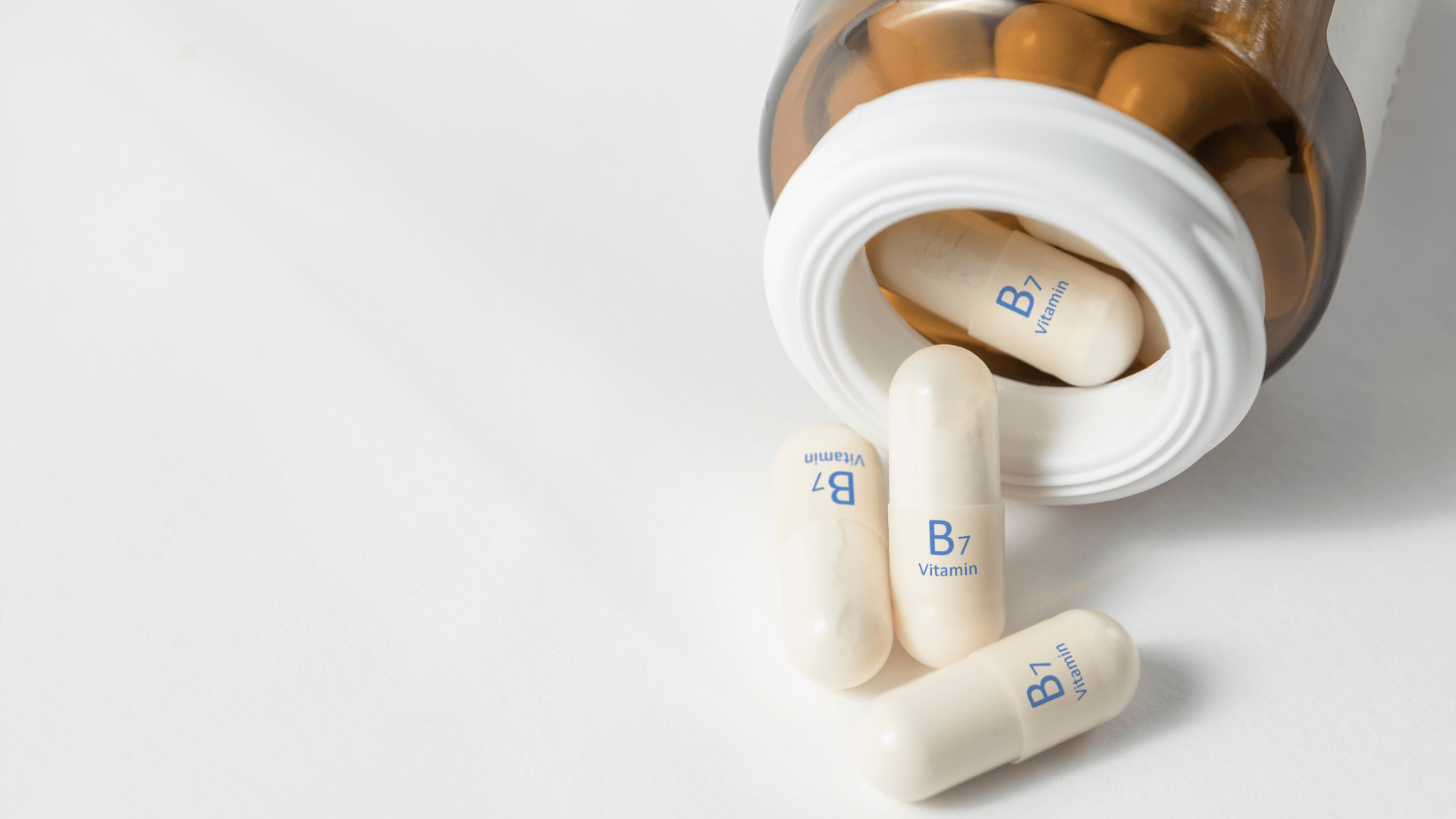
Collagen, Biotin, and Beyond: What Works and What’s Hype?
Curious about collagen, biotin, and other beauty supplements? Discover what actually works, what’s overhyped, and how women can get real results.

Gluten-Free Grocery Guide for Beginners: What Every Woman Needs to Know
New to gluten-free eating? This beginner-friendly gluten-free grocery guide helps women shop smart, avoid hidden gluten, and stock a healthy pantry with confidence.

How Your Cycle Affects Your Skin, Mood, and Body—And How to Care for It
Learn how your menstrual cycle affects your skin, mood, and body throughout the month—and get practical tips on how to care for yourself at each stage.

Breaking the Stigma: Talking Openly About Depression and Therapy as a Woman
Learn why breaking the stigma around depression and therapy is essential for women. Discover how to talk openly about mental health and seek support without shame.
How to Reduce Sugar Cravings Naturally (Without Feeling Deprived)
Want to cut back on sugar without the cravings and frustration? Learn practical, low-stress ways women can reduce sugar intake while still enjoying food and feeling satisfied.

Signs of Poor Gut Health Every Woman Should Watch For
Discover the most common signs of poor gut health in women, how they impact your overall well-being, and what steps you can take to restore balance and feel your best.
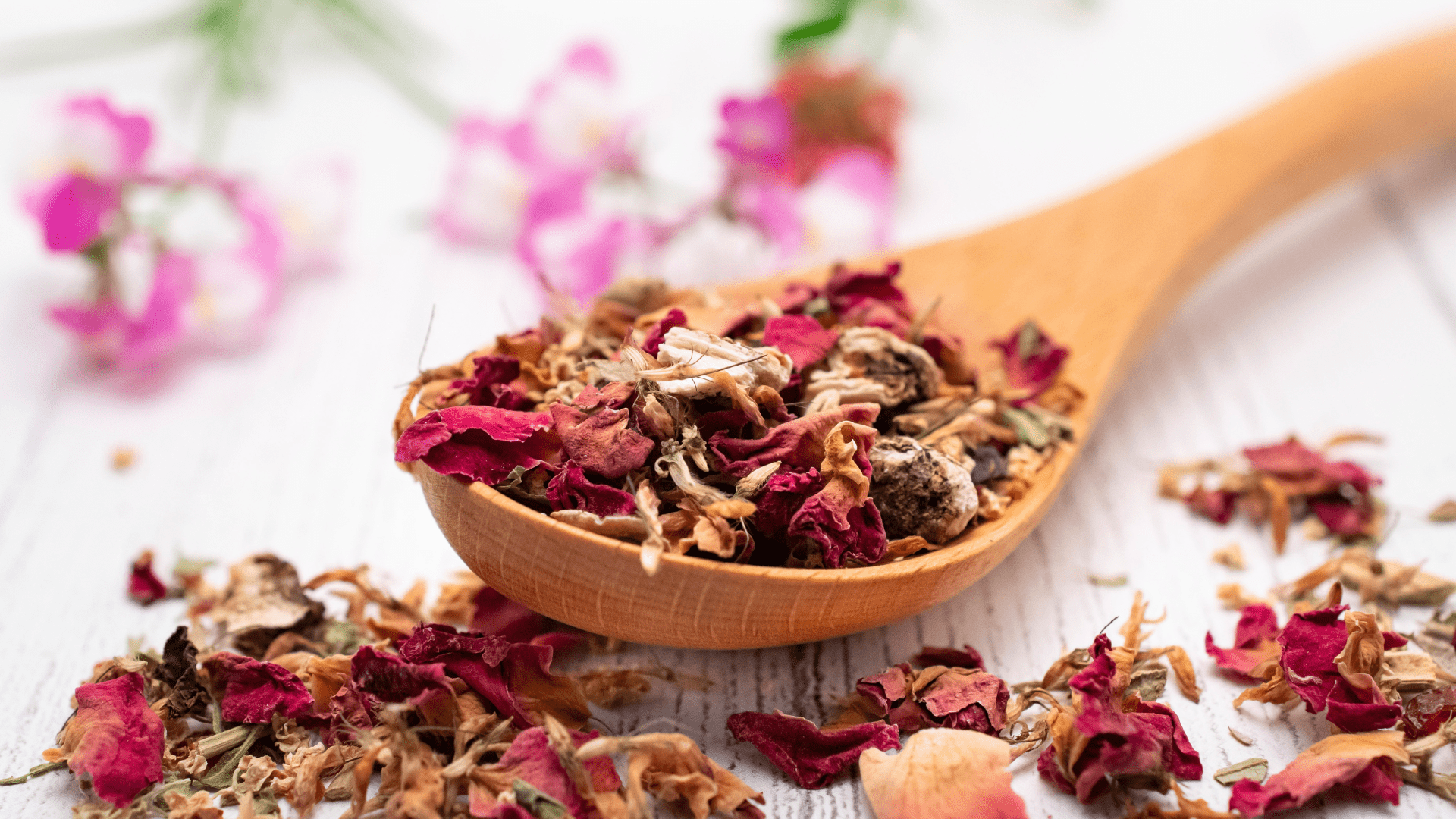
Natural Supplements for Reducing Stress and Supporting Mood
Discover the best natural supplements for reducing stress and supporting mood. These herbs and nutrients help women restore balance, energy, and emotional well-being—naturally.
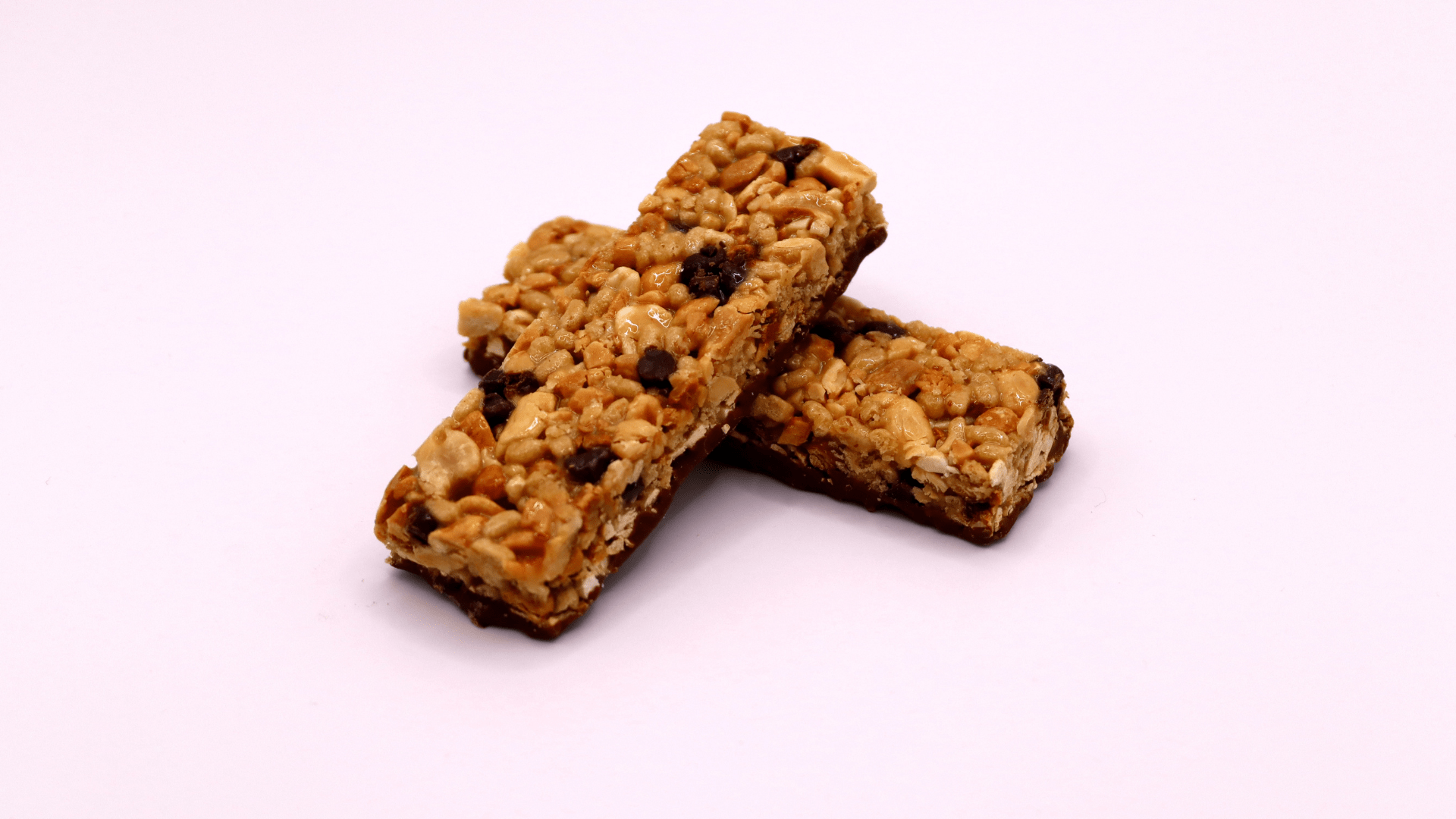
Best Gluten-Free Snacks That Won’t Sabotage Your Fitness Goals
Looking for gluten-free snacks that support your fitness goals? Discover high-protein, low-sugar, and energizing gluten-free snack options perfect for women on the move.
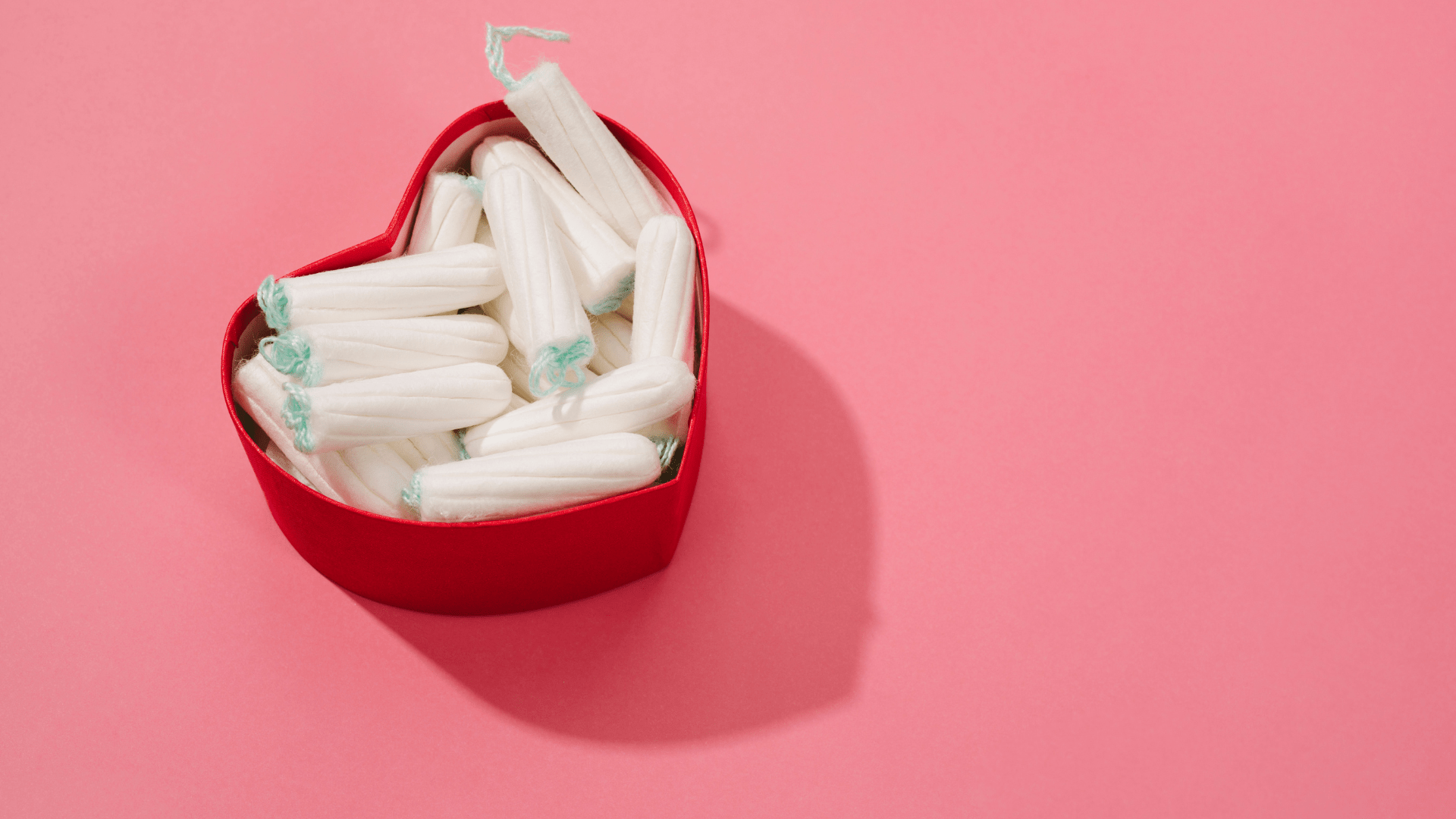
How to Choose the Right Feminine Care Products for Your Body
Discover how to choose the right feminine care products based on your body’s needs, skin sensitivity, and lifestyle. A complete guide to making confident, healthy choices.

Healing from Trauma: Tools and Resources for Women
Discover effective tools and resources to help women heal from trauma. Explore practical strategies to support emotional well-being and recovery.

Natural Sugar Alternatives: What to Use and What to Avoid
Discover the best natural sugar alternatives for women and learn which ones to avoid. Support your hormones, energy, and overall wellness with smart sweet swaps.
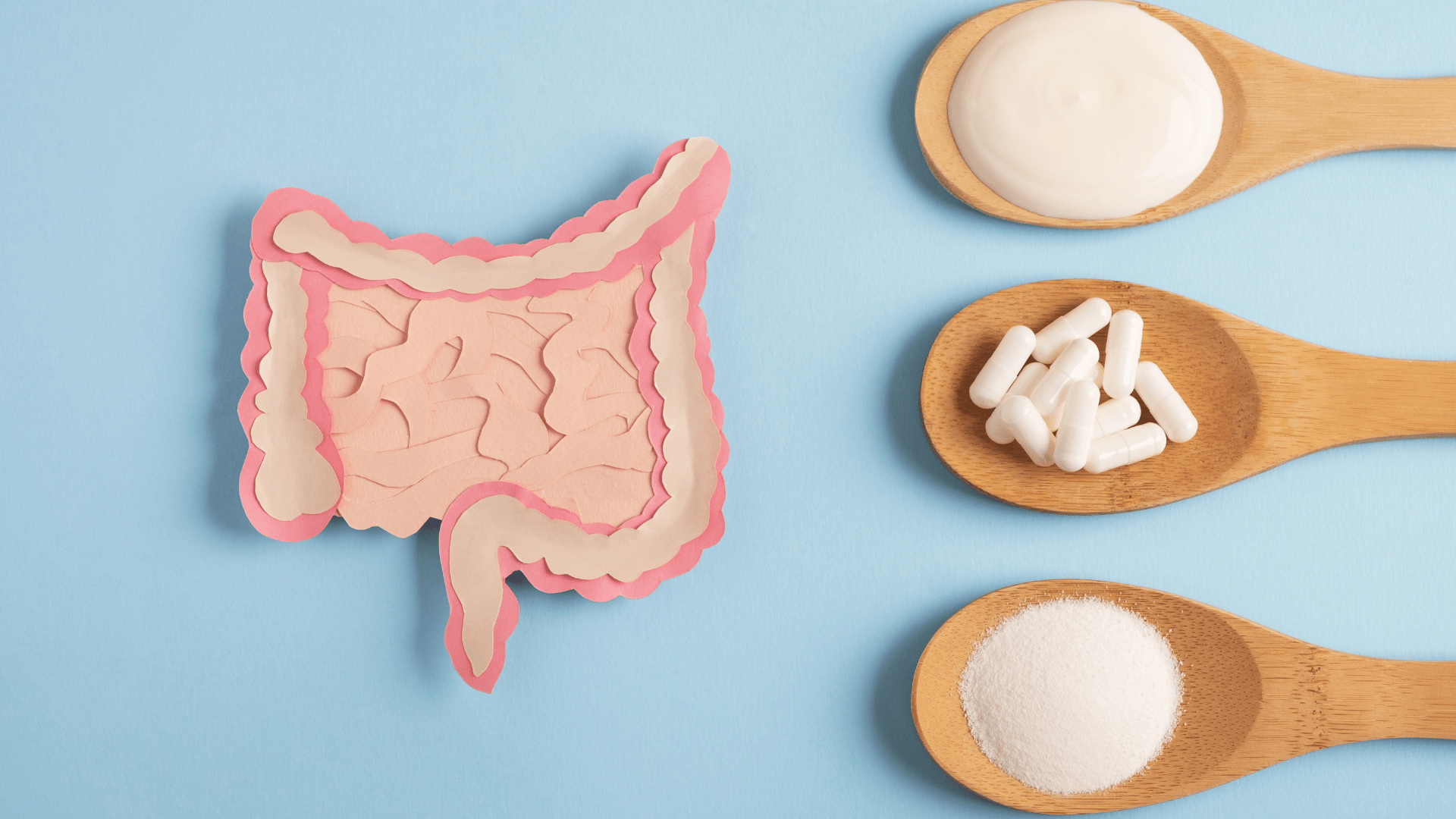
Understanding Gut Health: Probiotics & Prebiotics for Women
Learn how to support gut health with probiotics and prebiotics for women. Discover the benefits, best sources, and tips to improve digestion, immunity, and hormonal balance.

How to Slow Aging Naturally: Anti-Aging Supplements & Lifestyle Tips for Women
Want to age gracefully and feel vibrant? Discover natural ways to slow aging with effective anti-aging supplements and holistic lifestyle tips designed for women.
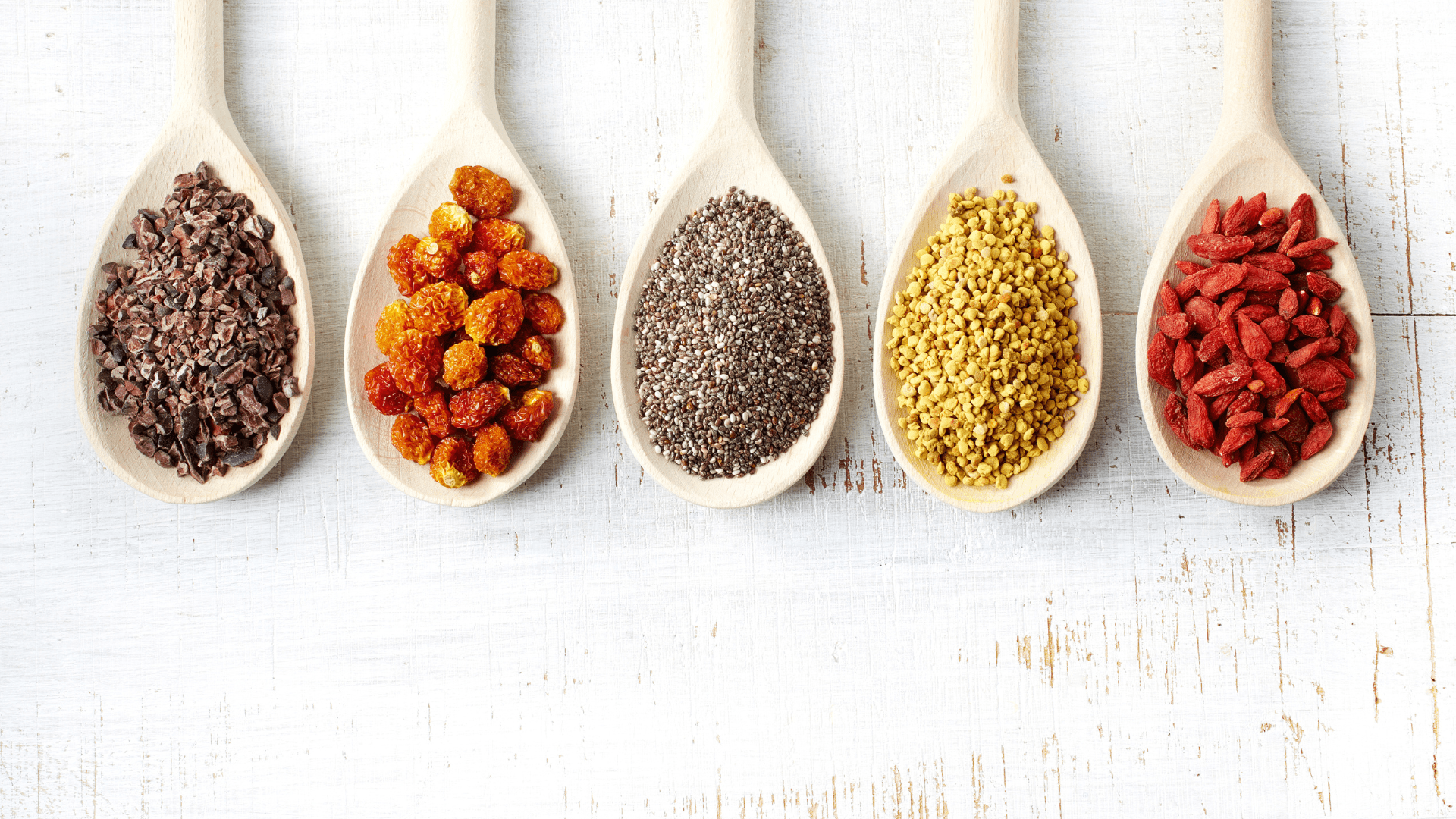
Top Superfoods Every Woman Should Include in Her Diet
Fuel your body and boost your health with these top superfoods every woman should include in her diet. Support energy, hormones, heart health, and more naturally.

How to Prevent Burnout: Nutrition & Supplement Tips for Women
Discover how to prevent burnout with targeted nutrition and supplement strategies designed for women. Learn how to fuel your body, manage stress, and restore balance naturally.

Building Confidence Through Strength Training: A Powerful Journey for Women
Discover how building confidence through strength training empowers women physically and mentally. Learn how lifting weights can help you feel stronger, healthier, and more self-assured.
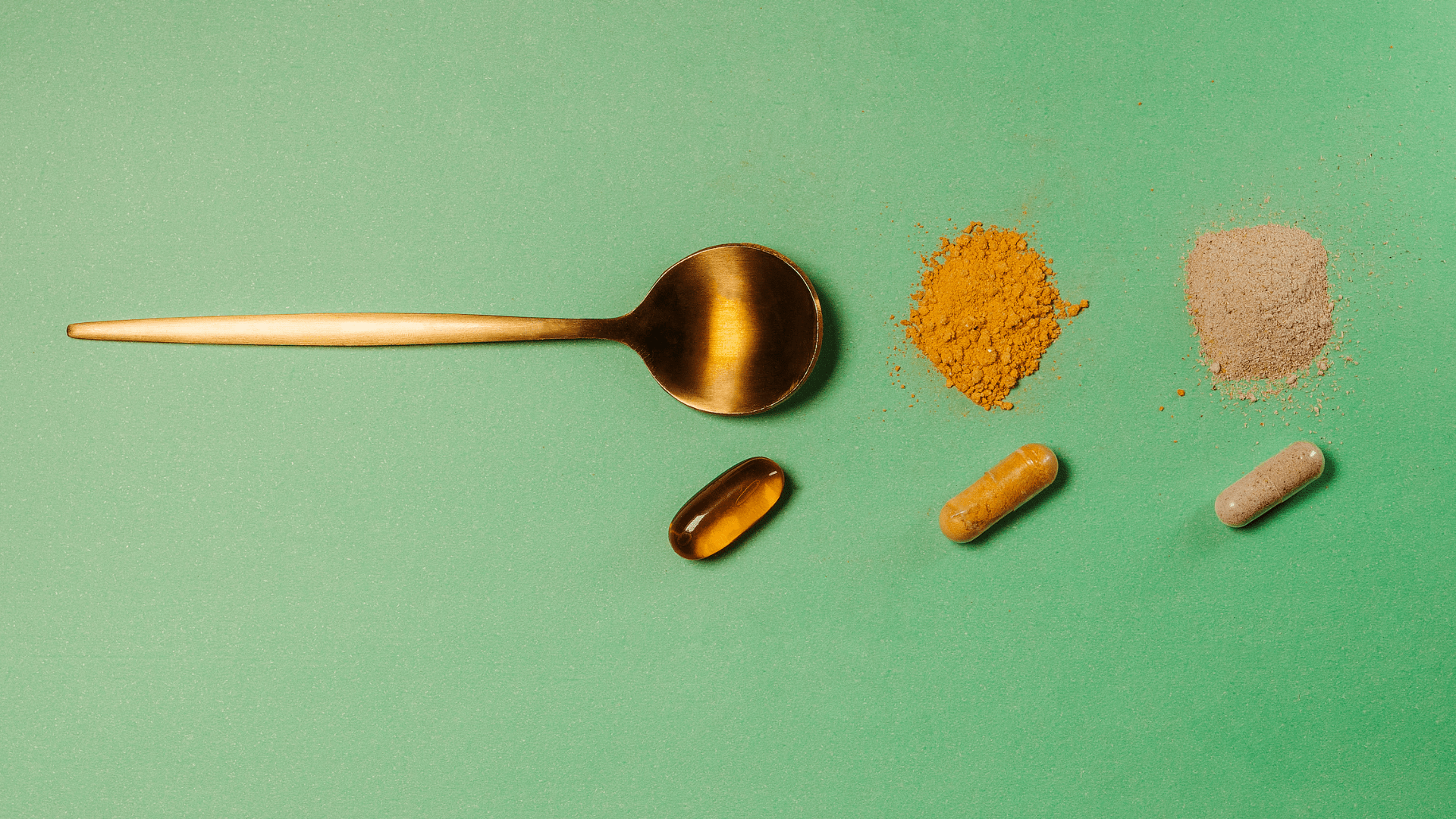
Ashwagandha & Maca Root: Do They Help With Hormone Balance?
Curious about ashwagandha and maca root for hormone balance? Discover how these adaptogenic herbs may support women’s hormonal health, stress relief, and energy naturally.

Find Your Calm: Simple Ways to Reduce Stress & Boost Mental Health for Women
Discover simple, science-backed ways to reduce stress and boost mental health. These practical tips are tailored to help women feel more balanced, calm, and in control.
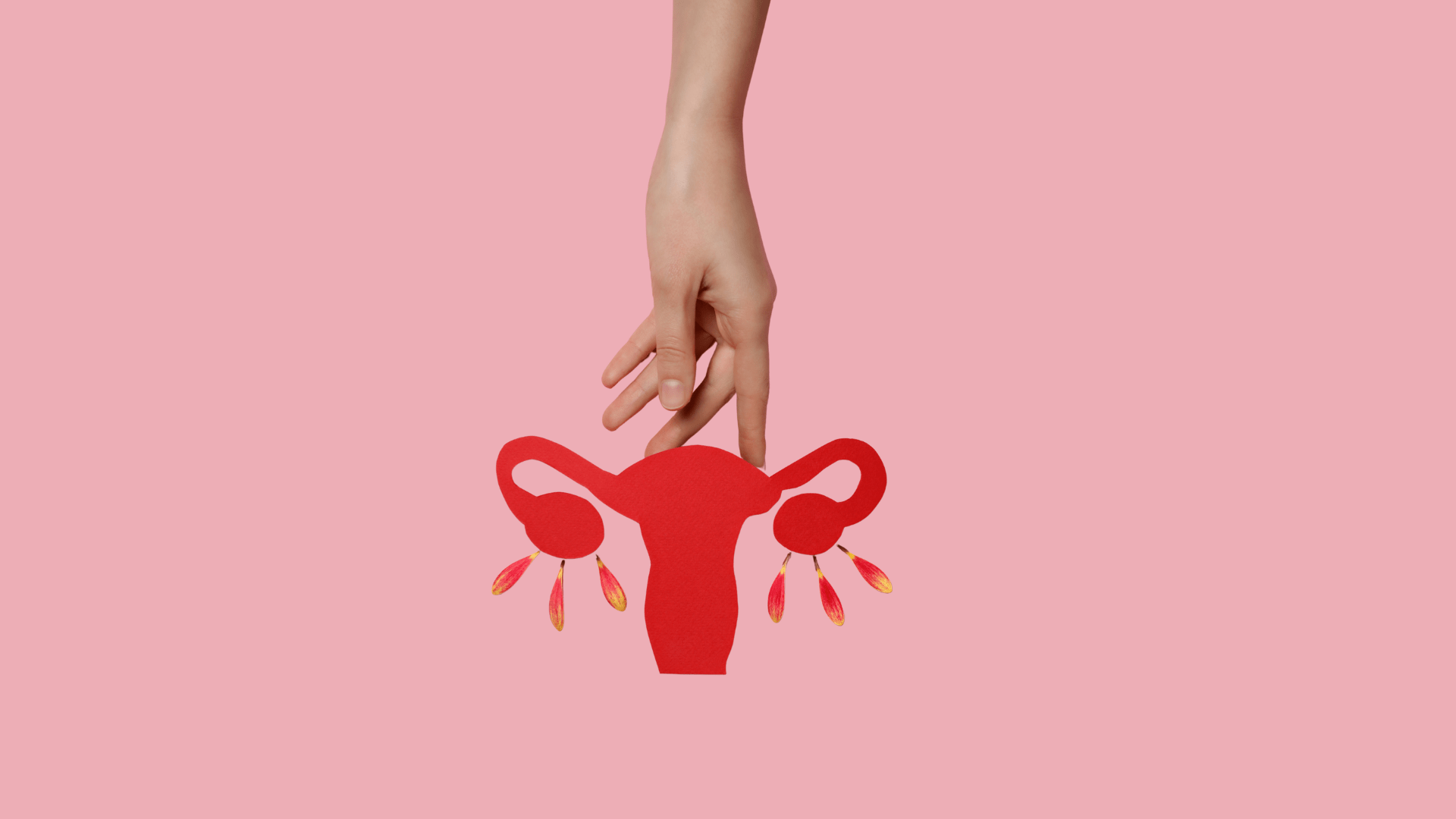
How to Balance Hormones Naturally Through Diet & Supplements
Discover how to balance hormones naturally with the right diet and supplements. Learn which foods and nutrients support hormonal health and help you feel your best.
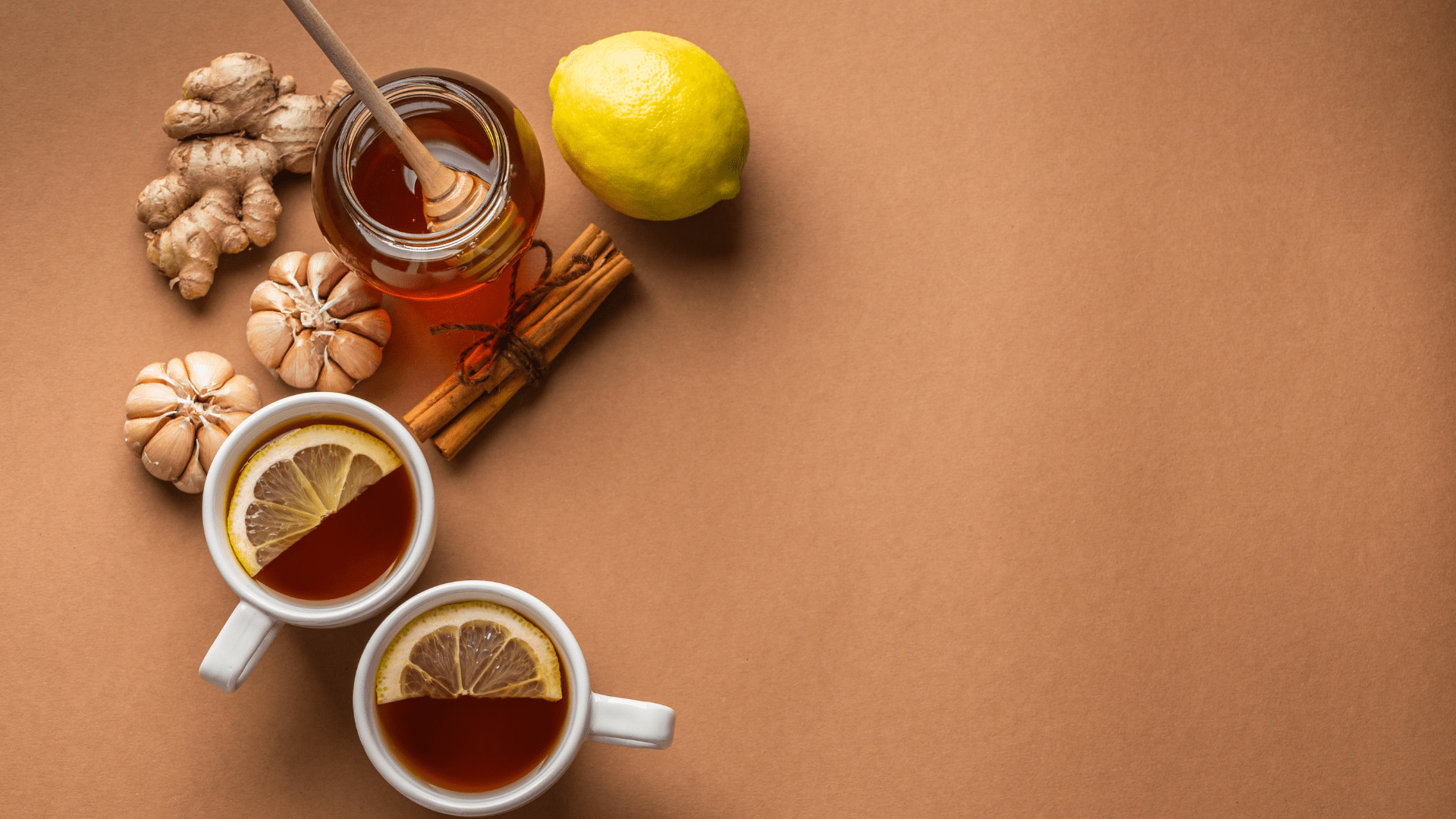
Boosting Immunity: Essential Vitamins & Natural Remedies
Discover how to strengthen your immune system with essential vitamins and natural remedies. Learn how women can boost their immunity naturally for better health and well-being.
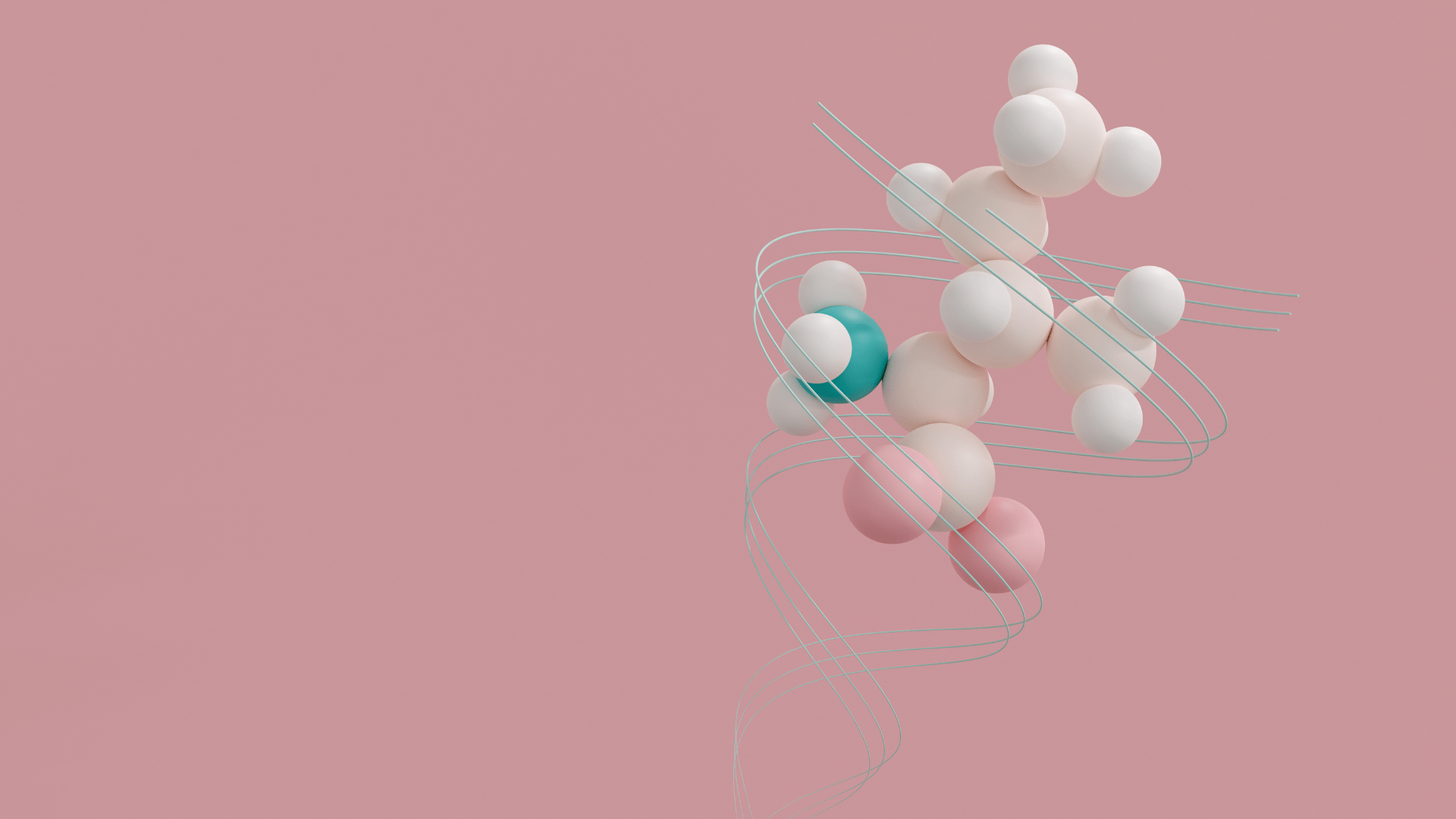
BCAAs for Women: Do They Help With Weight Loss & Muscle Tone?
Wondering if BCAAs for women can help with weight loss and muscle tone? Learn how branched-chain amino acids support fat loss, recovery, and lean muscle growth for an effective fitness routine!
Magnesium for Women: Benefits for Sleep, Stress & Cramps
Discover the powerful benefits of magnesium for women! Learn how this essential mineral improves sleep, reduces stress, and relieves menstrual cramps while supporting overall health and wellness.

Best Pre-Workout & Post-Workout Supplements for Women
Boost your workouts with the best pre-workout and post-workout supplements for women! Learn which supplements enhance energy, endurance, muscle recovery, and hydration to help you achieve your fitness goals faster and more effectively.

Iron Deficiency in Women: Signs, Symptoms & Best Supplements
Iron deficiency in women can lead to fatigue, dizziness, and hair loss. Learn the signs, symptoms, best iron-rich foods, and top supplements to boost your energy and overall health. Get expert tips on iron absorption and daily intake recommendations!
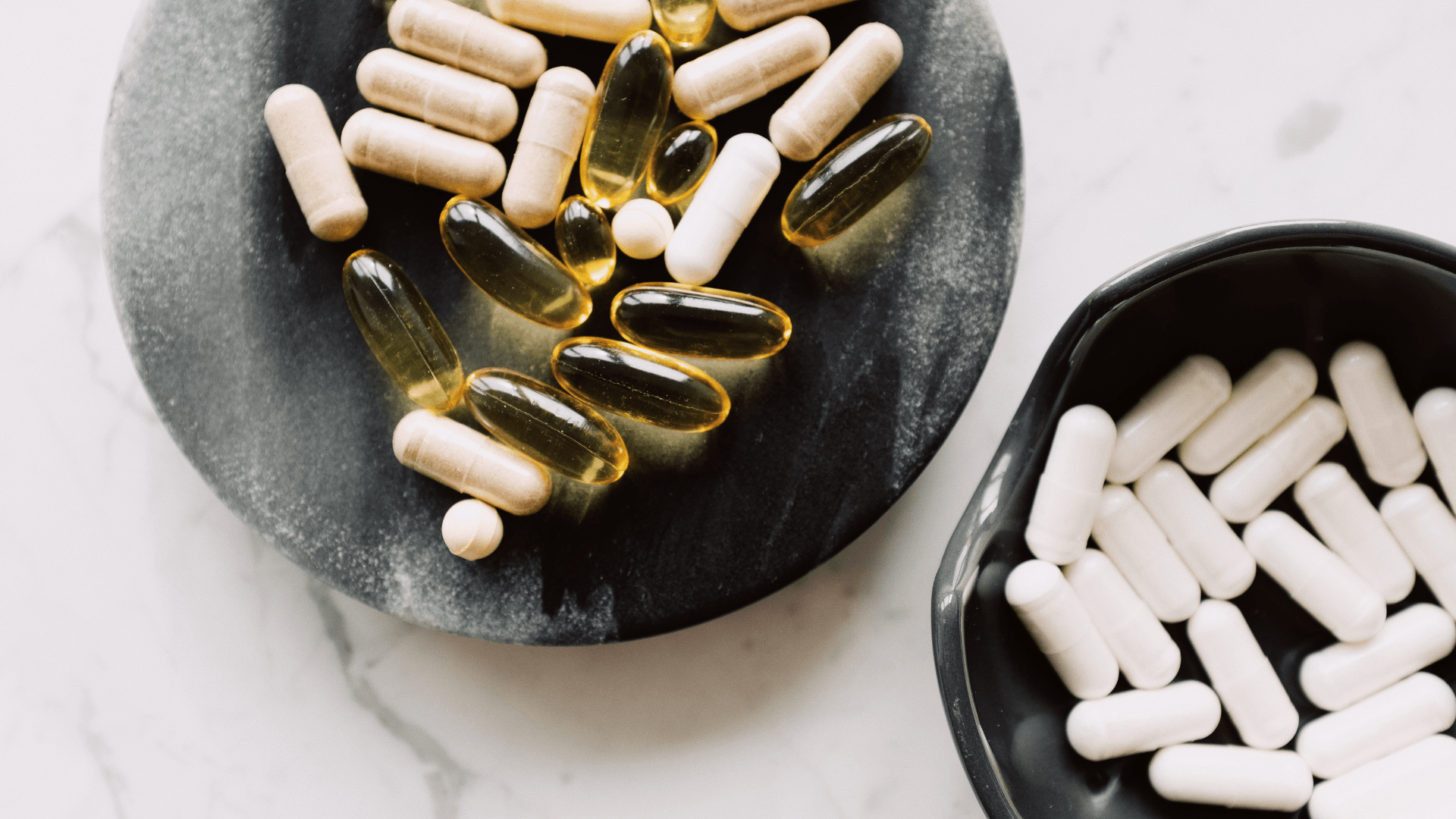
The Best Vitamins for Women at Every Age: Essential Nutrients for Optimal Health
Discover the best vitamins for women at every age! From energy-boosting B vitamins in your 20s to bone-strengthening calcium in your 50s, this guide covers essential nutrients to support women’s health, beauty, and well-being at every life stage.

Hydration Tips for Active Women: Stay Energized & Perform Your Best
Stay energized and perform your best with these essential hydration tips for active women! Learn how much water you need, the best hydrating foods and drinks, and easy hacks to stay hydrated throughout the day.

The Role of Protein in Muscle Building and Recovery: A Guide for Women
Discover how protein fuels muscle building and recovery for women. Learn about optimal protein intake, top sources, and tips to support lean muscle growth and speedy recovery.

How Hormonal Cycles Impact Women’s Fitness Performance
Discover the best core workouts for women to achieve a lean and sculpted core. From planks to bicycle crunches, build strength, improve posture, and boost confidence with these effective exercises and tips

Building a Positive Body Image Through Fitness: A Guide for Women
Discover how fitness can help women build a positive body image by focusing on strength, self-care, and empowerment. Learn tips, exercises, and mindset shifts to transform your relationship with your body.

The Power of Potassium: Essential Benefits Every Woman Should Know
Discover the essential benefits of potassium for women, from improving heart health and bone strength to reducing bloating and enhancing muscle recovery. Learn how to incorporate potassium-rich foods into your diet for optimal health and wellness.

Overcoming Gym Anxiety: Tips for Feeling Confident
Overcome gym anxiety with confidence-building tips! Discover practical strategies to feel at ease in any gym environment, from preparation to celebrating small wins.

Does Fitness Affect Hormones and Estrogen?
Discover how fitness impacts hormones, including estrogen, and learn how different exercise routines can balance or disrupt hormonal health. Explore tips for managing estrogen levels through fitness at every stage of life.

Surprising Supplements to Help Women Gain Weight Naturally and Healthily
Struggling to gain weight? Discover the top 10 surprising supplements for women to support healthy weight gain, muscle growth, and improved energy.
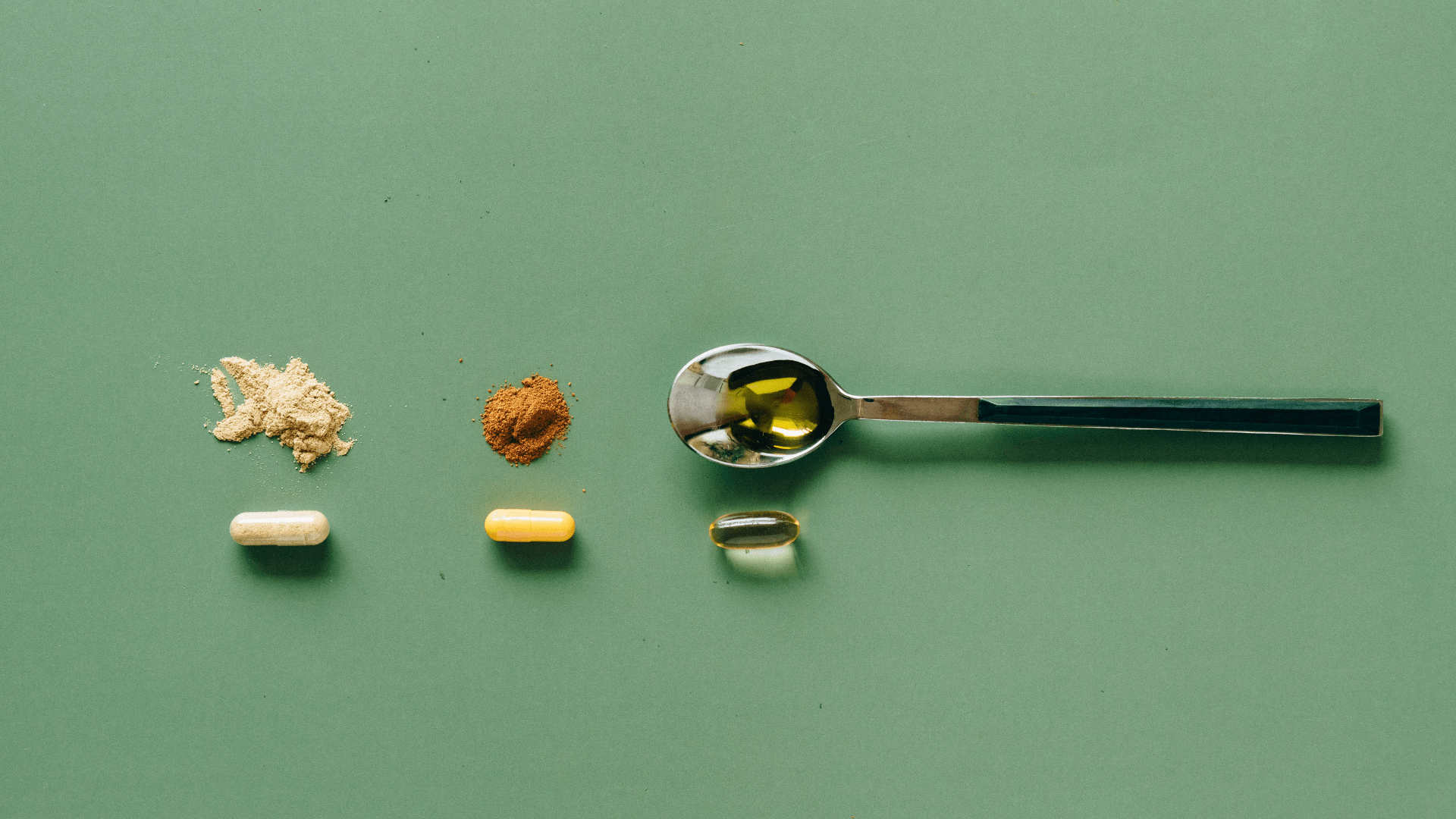
The Best Supplement Subscriptions for Health and Wellness in 2024
Discover the best supplement subscription services for 2024! From personalized vitamins to protein powders and gut health solutions, find the perfect plan for your wellness goals.

How Working Out Affects the Libido for Women
Discover how exercise affects libido for women! Learn how workouts improve blood flow, balance hormones, reduce stress, and boost confidence for a healthier sex life.

How to Avoid Vaginal Sweat After the Gym: Tips for Comfort and Hygiene
Struggling with vaginal sweat after workouts? Discover the top tips and products to stay fresh and comfortable, from moisture-wicking fabrics to post-gym hygiene practices

Why Is Sugar Craving a Problem for Weight Loss?
Struggling with sugar cravings while trying to lose weight? Discover effective tips and strategies to cure your sweet tooth, balance your diet, and stay on track with your weight loss goals. Learn how to manage cravings and make healthier choices today!
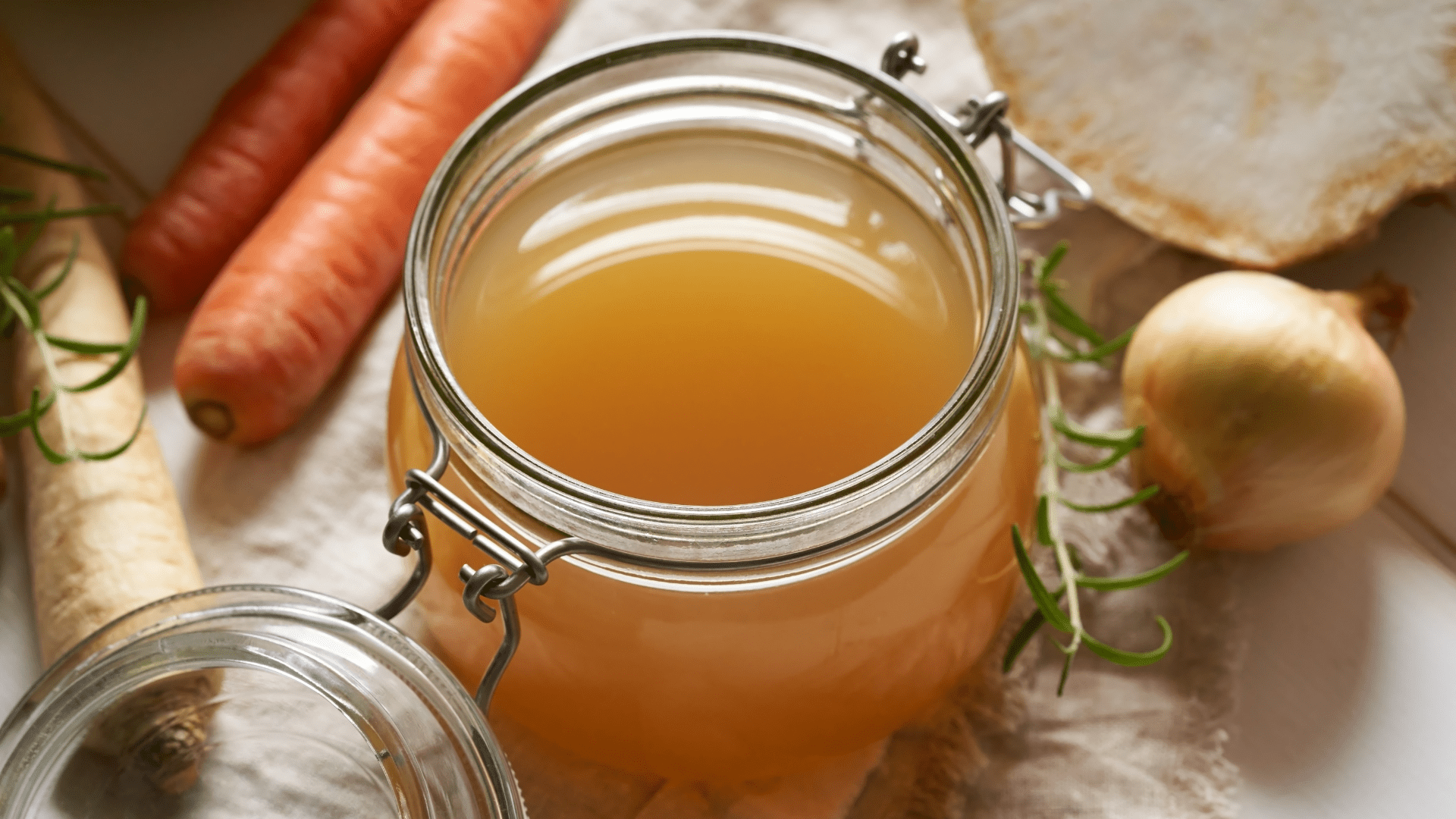
The Incredible Health Benefits of Bone Broth: A Nutritional Powerhouse
Discover the amazing health benefits of bone broth, from improving gut health and boosting immunity to supporting joint function and aiding in weight loss. Learn why bone broth is a nutritional powerhouse!

How to Maximize Muscle Recovery for Women
Maximize muscle recovery with these expert tips tailored for women! Learn how to recover faster and build strength with proper nutrition, hydration, sleep, and active recovery strategies.

Best Energy Drinks for Pre-Workout Performance
Looking to boost your workout performance? Explore the best energy drinks for pre-workout in this informative post. Maximize results and enhance your fitness routine!

How to Reduce Pre-Workout Itchiness
Learn how to reduce pre-workout itchiness with effective strategies to minimize discomfort and maximize performance during your workout.
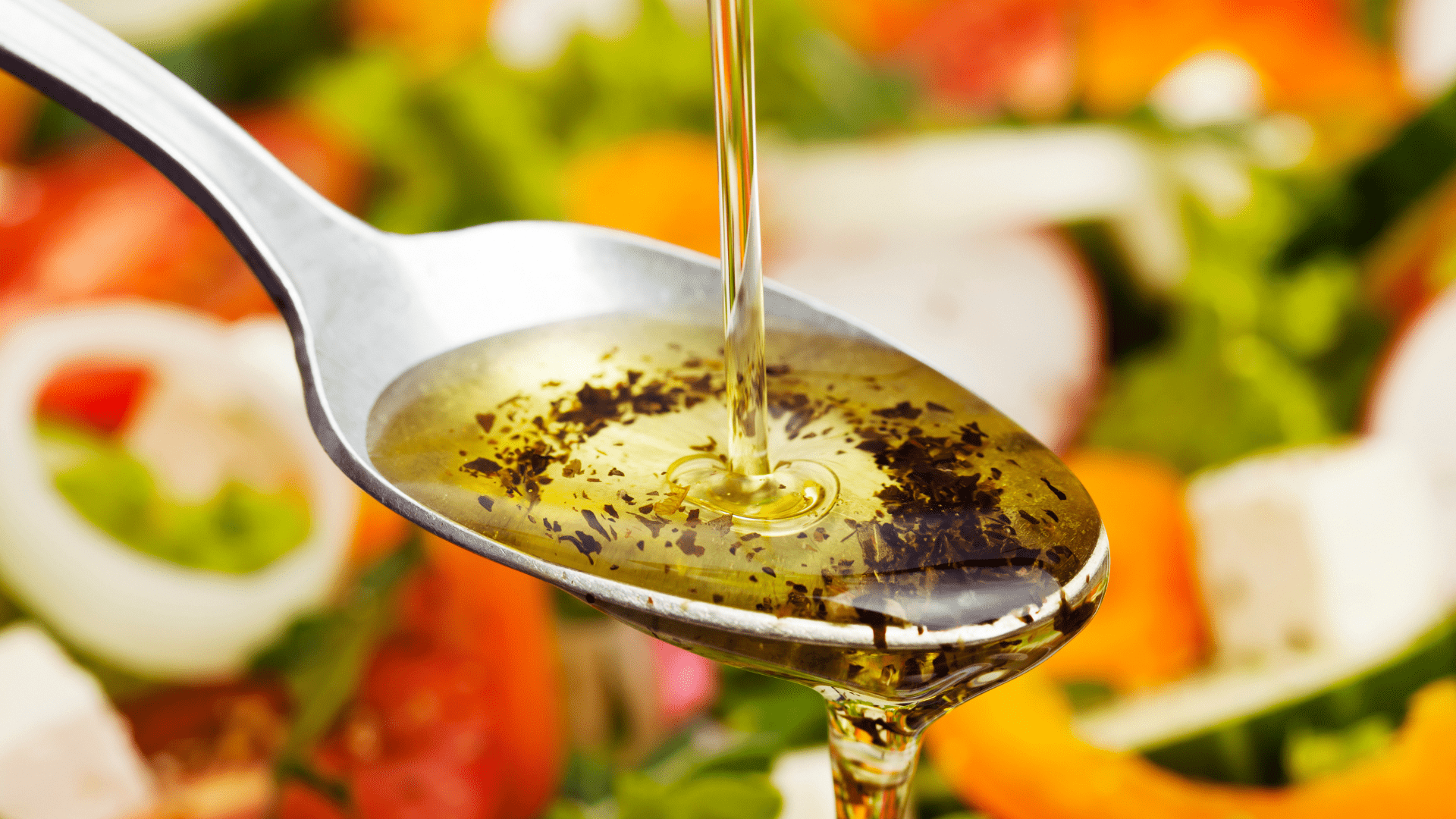
Delicious Sugar-Free Dressings for Salads
Delicious Sugar-Free Dressings for Salads Are you looking for healthier alternatives to sugar-laden dressings for your salads? If you’re concerned about consuming too much sugar in your diet but still want to enjoy flavorful salads, you’re in the right place! In this article, we’ll explore delicious sugar-free dressings that you can make at home. These dressings are not only healthier but also bursting with flavor, making your salads a tasty and nutritious treat. Why should you choose sugar-free dressings? Choosing sugar-free dressings for your salads is an excellent way to cut down on unnecessary calories and added sugars in your diet. Many store-bought salad dressings are packed with sugar and unhealthy fats, which can contribute to weight gain and various health issues over time. By opting for sugar-free dressings, you can control what ingredients go into your salads and make healthier choices for your body. How do you make sugar-free dressings? Making delicious sugar-free dressings at home is much easier than you might think! All you need are a few simple ingredients and some creativity to whip up flavorful dressings that will elevate your salads. In the following sections, we’ll share some mouthwatering sugar-free dressing recipes that you can try out in your own kitchen. Creamy Avocado Lime Dressing Are you craving a creamy dressing without the guilt of added sugars? This Creamy Avocado Lime Dressing is the perfect solution! Packed with healthy fats from avocado and a zesty kick from lime juice, this dressing is a refreshing and delicious addition to any salad. Ingredients: 1 ripe avocado Juice of 1 lime 2 tablespoons olive oil 1 clove of garlic, minced Salt and pepper to taste Instructions: Scoop out the flesh of the avocado and place it in a blender or food processor. Add the lime juice, olive oil, minced garlic, salt, and pepper. Blend until smooth and creamy. Taste and adjust seasoning as needed. Drizzle over your favorite salad and enjoy! This Creamy Avocado Lime Dressing is not only sugar-free but also dairy-free and vegan-friendly, making it a versatile option for a wide range of dietary preferences. Zesty Balsamic Vinaigrette Looking for a tangy dressing that will add a burst of flavor to your salads? This Zesty Balsamic Vinaigrette is the perfect choice! With the bold flavors of balsamic vinegar, Dijon mustard, and herbs, this dressing will take your salads to the next level without any added sugars. Ingredients: 1/4 cup balsamic vinegar 1/2 cup olive oil 1 tablespoon Dijon mustard 1 teaspoon honey (optional) 1 teaspoon dried herbs (such as basil, oregano, or thyme) Salt and pepper to taste Instructions: In a small bowl, whisk together the balsamic vinegar, Dijon mustard, honey (if using), dried herbs, salt, and pepper. Slowly drizzle in the olive oil while whisking continuously until emulsified. Taste and adjust seasoning as needed. Drizzle over your salad and toss to coat evenly. This Zesty Balsamic Vinaigrette is a versatile dressing that pairs well with a variety of salads, from simple green salads to hearty grain bowls. Lemon Tahini Dressing Are you in the mood for a nutty and tangy dressing that will liven up your salads? Look no further than this Lemon Tahini Dressing! With creamy tahini, fresh lemon juice, and a hint of garlic, this dressing is a flavorful and nutritious choice for your salads. Ingredients: 1/4 cup tahini Juice of 1 lemon 2 tablespoons water 1 clove of garlic, minced Salt and pepper to taste Instructions: In a small bowl, whisk together the tahini, lemon juice, water, minced garlic, salt, and pepper. Adjust the consistency by adding more water if needed. Taste and adjust seasoning as needed. Drizzle over your salad and enjoy the creamy goodness! This Lemon Tahini Dressing is not only sugar-free but also packed with protein and healthy fats, making it a satisfying addition to any salad. Creamy Dijon Dressing Craving a rich and creamy dressing that will take your salads to the next level? This Creamy Dijon Dressing is a luxurious and indulgent option that is completely sugar-free! With the sharpness of Dijon mustard and the creaminess of Greek yogurt, this dressing is a flavorful and satisfying choice for your salads. Ingredients: 1/4 cup Greek yogurt 1 tablespoon Dijon mustard 1 tablespoon apple cider vinegar 1 clove of garlic, minced Salt and pepper to taste Instructions: In a small bowl, whisk together the Greek yogurt, Dijon mustard, apple cider vinegar, minced garlic, salt, and pepper. Taste and adjust seasoning as needed. Drizzle over your salad and toss to coat evenly. This Creamy Dijon Dressing is a high-protein option that will add a velvety texture and bold flavor to your salads without any added sugars. In summary, Making delicious sugar-free dressings for your salads is a simple and rewarding way to boost the flavor and nutrition of your meals. By using fresh ingredients and a little creativity, you can create dressings that are not only healthier but also bursting with flavor. Try out these recipes and experiment withyour favorite herbs and spices to createcustom dressings that will elevate yoursalads to a whole new level! Share: Facebook Pinterest Email Social Media Facebook-f Youtube Pinterest Instagram Tiktok Most Popular Get The Latest Updates Subscribe To Our Weekly Newsletter No spam, notifications only about new post, updates. Categories On Key Related Posts
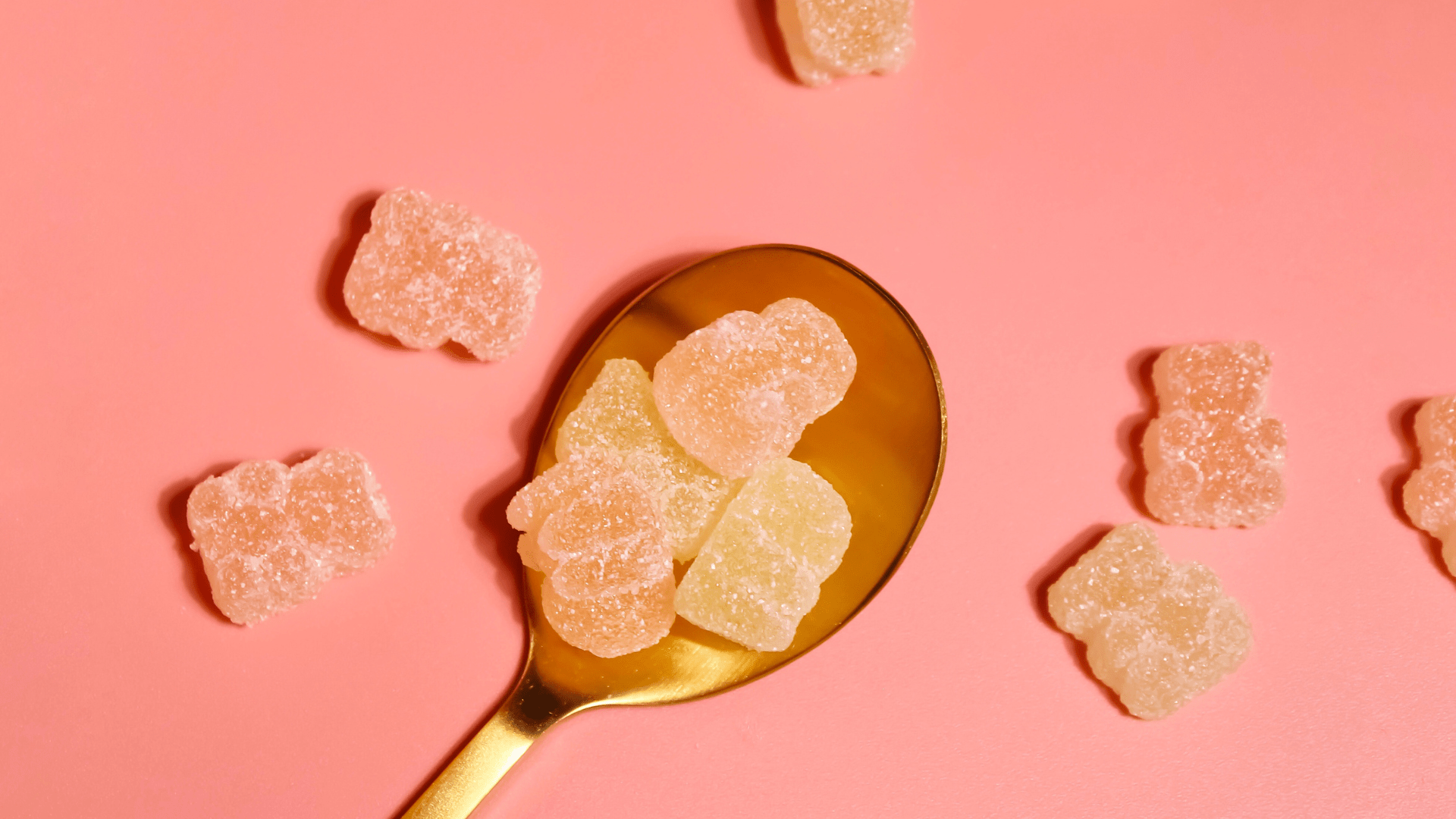
The Ultimate Guide to Weight Loss Gummies
The Ultimate Guide to Weight Loss Gummies – Discover how these tasty supplements can support your weight loss goals and improve your overall wellness.

Delicious Gluten-Free Recipes for Every Meal
Discover a world of mouthwatering gluten-free recipes perfect for every meal of the day! From breakfast to dinner, never sacrifice taste with these delicious options.
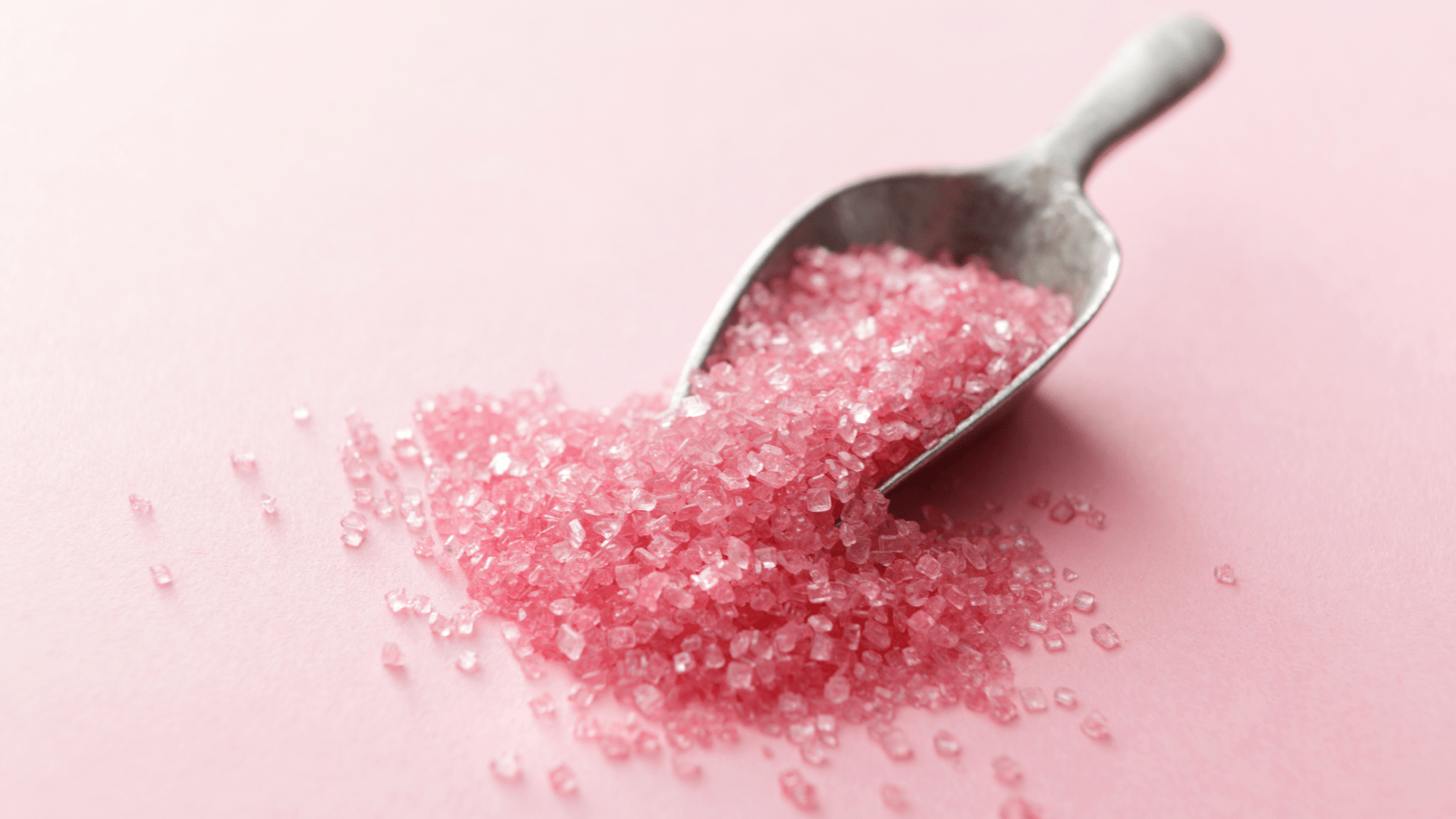
The Sweet Debate: Beetroot Sugar vs Cane Sugar
The sweet debate: Beetroot sugar vs cane sugar. Explore the differences, benefits, and uses of these popular sweeteners to make an informed choice!

Best Low Sugar Starbucks Drinks
Discover the best lower sugar Starbucks drinks to enjoy guilt-free! From hot to cold options, find out how to satisfy your cravings with lower sugar alternatives.

Can You Mix Vitamin D and Vitamin C Supplements?
Can you safely combine Vitamin D and Vitamin C supplements? Learn about the benefits, risks, recommended dosages, and interactions in this informative article.

Top 10 Pre-Workout Supplements
Discover the top 10 pre-workout supplements to boost energy, focus, and performance in your workouts! Find the perfect supplement for your fitness goals.

Understanding Gluten Allergy and Intolerance
Learn about the differences between gluten allergy and intolerance, symptoms, and management strategies. Make informed decisions for your health.
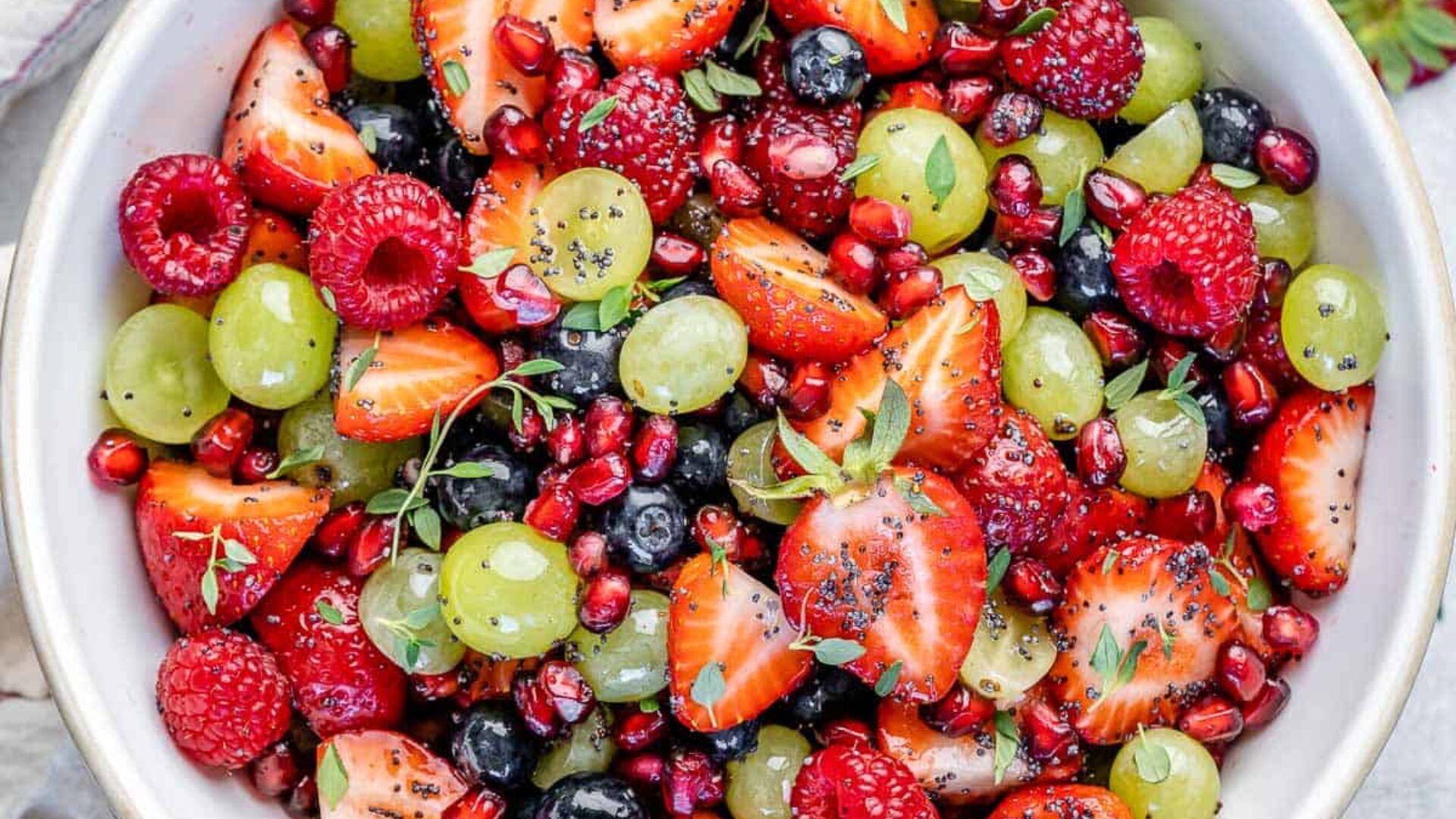
Top 10 Low-Sugar Fruits
Discover the top 10 low-sugar fruits that are perfect for a healthy diet. From berries to citrus fruits, satisfy your sweet cravings guilt-free!

Top-Rated Weight Loss Supplements for Hypothyroidism
Discover the top-rated weight loss supplements specifically designed for individuals with hypothyroidism. Boost metabolism, burn fat effectively, and reach your weight loss goals!

Foods to Fight Fatigue and Depression: Boost Your Energy and Mood Naturally
Our guide to nutritious, mood-enhancing foods will help you discover the best foods to fight fatigue and depression. Learn how to boost your energy and mood naturally.

The Benefits of Magnesium and How It Can Improve Anxiety
Uncover the surprising benefits of magnesium for anxiety relief. Learn how this essential mineral can help you relax and improve your well-being.

Best Protein Supplements for Women for Weight Gain (2024)
Discover the best protein supplements for women’s weight gain in 2024. Explore top choices, ingredients, benefits, and tips for achieving your fitness goals.

Understanding the Psychological Causes of Food Cravings
Discover the psychology behind food cravings in this insightful post. Learn how emotions, stress, memories, and habits influence what you crave.

10 Best Pre-Workout Foods
Looking for the best pre-workout foods to fuel your gym session? Check out our list of the top 10 options for energy and stamina! Let’s crush that workout together.

How to Sweeten Your Food Naturally
Have you ever wondered how you can sweeten your favorite foods without having to rely on artificial sugars or sweeteners? If so, you’ve come to the right place. So, grab a cozy seat and get ready to discover the possibilities of naturally sweetening your food.

Top Gluten-Free Tips for 2024
Looking to maintain a gluten-free lifestyle in 2024? Discover the top gluten-free tips for navigating the year with ease and confidence. From finding delicious alternatives to staying up-to-date on trends, make 2024 your best, gluten-free year yet!

10 Effective Teas for Weight Loss
Discover the power of teas for weight loss! From green tea to ginger tea, learn how these brews can suppress appetite, boost metabolism, and promote overall well-being. Get ready to reach your weight loss goals with the right cup of tea by your side.

10 Tips for Women to Gain Healthy Weight
Looking to gain healthy weight? Check out these 10 practical tips on setting goals, focusing on nutrient-dense foods, increasing calorie intake, eating regularly, incorporating strength training, staying hydrated, managing stress levels, getting sufficient sleep, and monitoring progress. Start your weight gain journey today!

Tips and Tricks to Reduce Body Odor for Women
Discover effective tips and tricks tailored for women to reduce body odor. Say goodbye to discomfort and embrace confidence with these simple techniques.
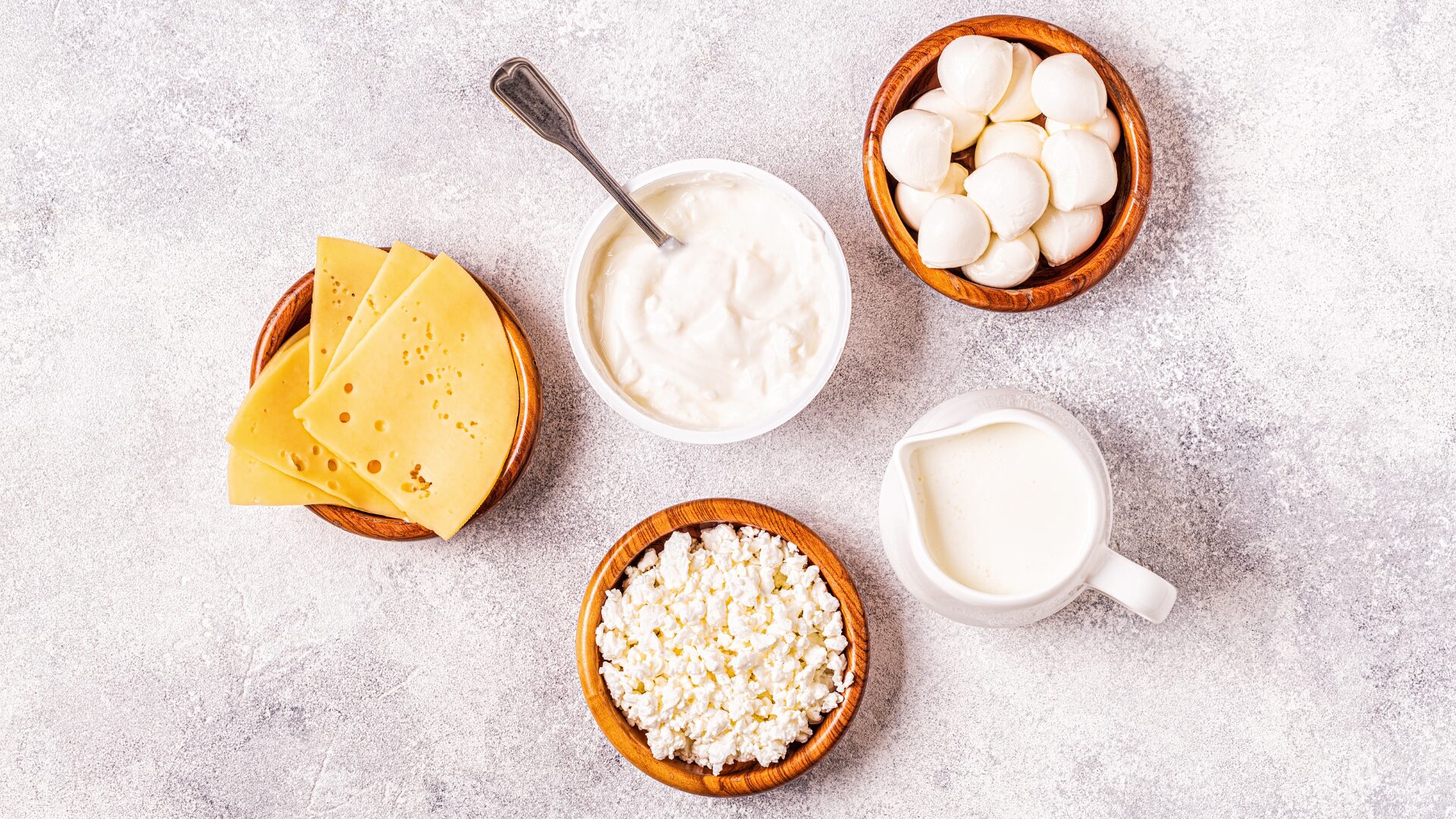
Simple Tips for Reducing Dairy Consumption
Looking to reduce dairy consumption? Discover simple tips and practical advice for finding alternatives to dairy products and transitioning to a dairy-free lifestyle.

7 Fast Tips for Weight Loss for Women
Looking for fast weight loss tips for women? Discover 7 manageable and effective tips to help you reach your goals. Improve your health and achieve a happier you!

Tips for Reducing Your Sugar Intake
Discover practical and effective tips to reduce your sugar intake without sacrificing flavor or enjoyment. Take control of your sweet tooth and embrace a healthier, low-sugar lifestyle.

Understanding the Difference: Bloating vs Fat
Discover the difference between bloating and fat with this informative post. Understand the causes, symptoms, and how to manage each condition. Say goodbye to confusion and hello to better health!

How to Build Self-Esteem
Boost your self-esteem and start feeling confident with valuable tips and techniques on how to build self-esteem. Implement strategies into your daily life to cultivate a healthy sense of self-worth.

How to Set Healthy Boundaries and Find Inner Peace
Learn how to set healthy boundaries and find inner peace. Discover the importance of boundaries in relationships, recognize signs of unhealthy boundaries, and develop effective communication skills. Prioritize self-care, align boundaries with personal values, and confidently say ‘no’ when needed. Take control of your emotional well-being and create a more fulfilling and peaceful life.

5 Exercise Tips for Managing IBS Symptoms
Discover five exercise tips for managing IBS symptoms. From low-impact activities to targeted exercises, alleviate discomfort and improve overall well-being.

10 Ways to Reduce Sugar Intake
Looking to reduce your sugar intake? Discover 10 simple methods to cut down on sugar without feeling deprived. Make healthier choices and enjoy a balanced diet with these tips!

The Importance of Staying Hydrated
Discover the importance of staying hydrated and learn practical tips to prioritize hydration. Boost energy levels, promote digestion, support cardiovascular health, enhance physical performance, and boost cognitive function. Recognize signs of dehydration and understand its effects on the body. Consider factors affecting hydration and recommended daily water intake. Find ways to stay hydrated and learn how water benefits the body, cognitive function, and skin health. Stay refreshed and energized by prioritizing hydration!
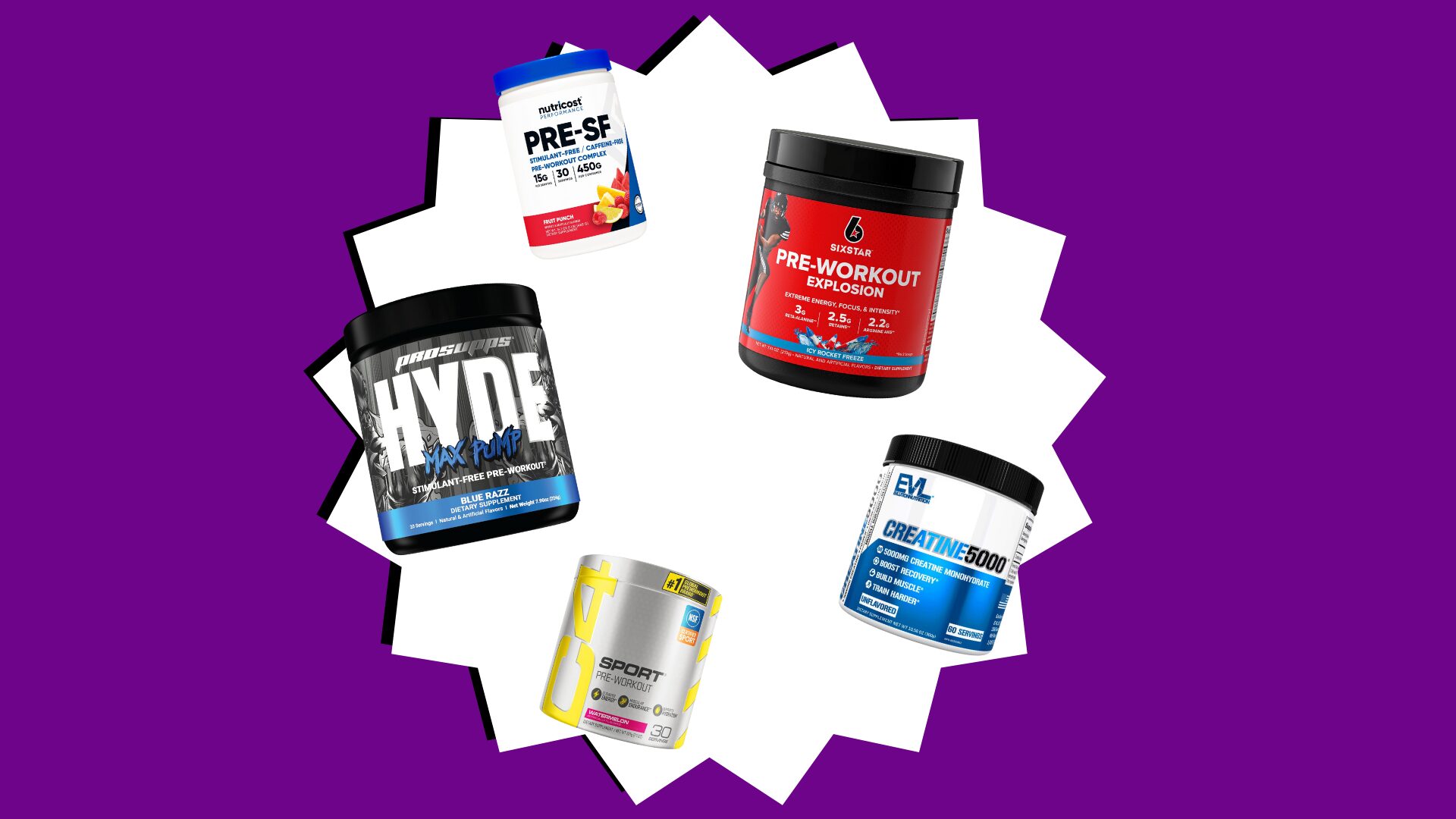
Top 5 Pre-Workout Powders: A Comparative Review
Discover the top 5 pre-workout powders on Amazon! Boost your energy, build muscle mass, and improve endurance with these top-notch supplements.

The Impact of Alcohol on Gut Health
Discover the impact of alcohol consumption on gut health. Explore how it affects your digestive system, disrupts gut flora, and leads to inflammation and nutrient deficiencies. Learn how to improve gut health after alcohol consumption.

Recognizing Common Gluten Intolerance Symptoms
Learn how to recognize common symptoms of gluten intolerance, from digestive issues to skin problems, weight changes, fatigue, headaches, and more. Understanding these signs can lead to better health and a more comfortable lifestyle. Whether it’s for yourself or a loved one, this informational post will help you take the necessary steps towards improving overall well-being.
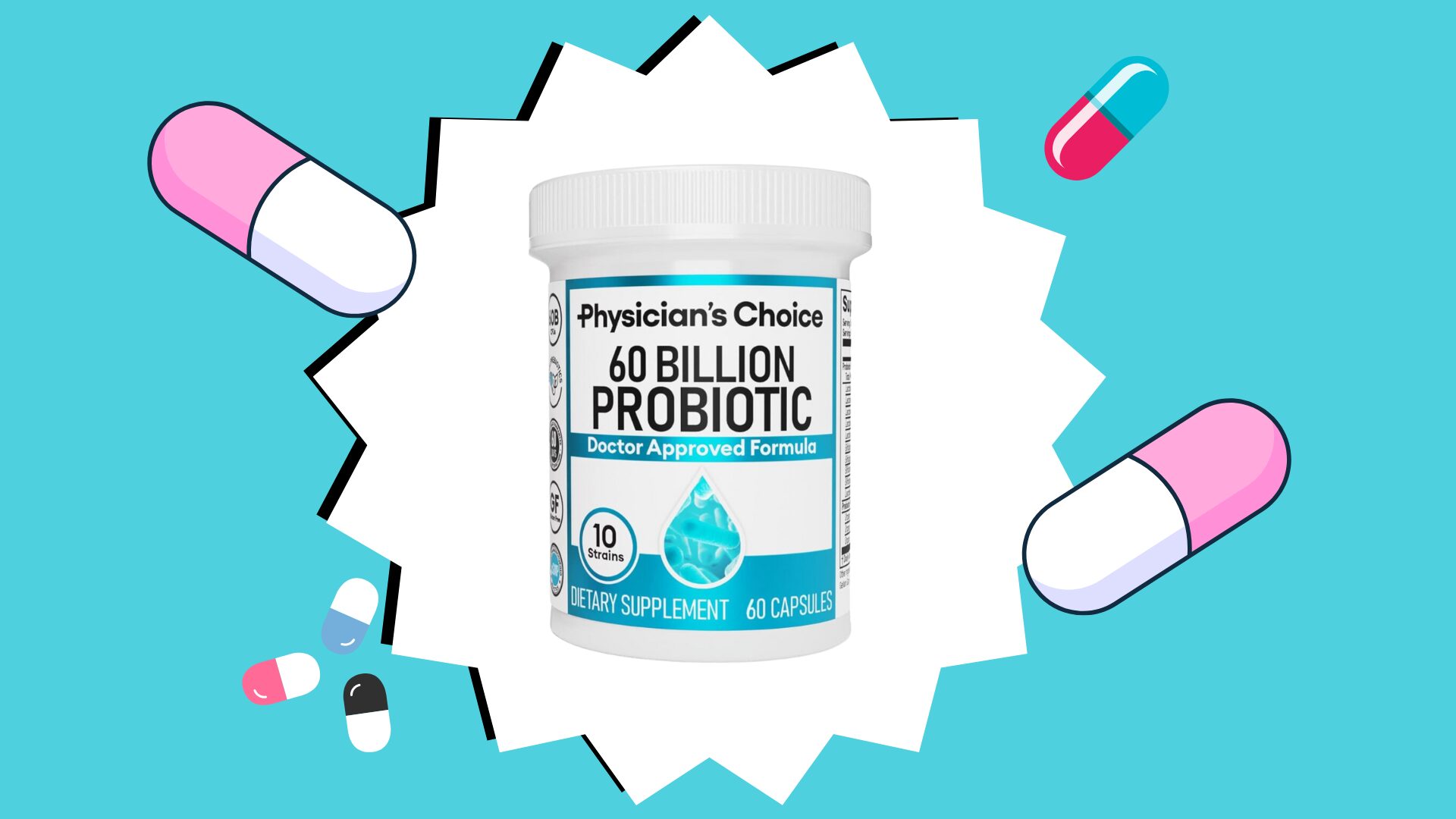
Best Probiotic Supplement on Amazon | Physician’s CHOICE Probiotics 60 Billion CFU Review
Improve your gut health with Physician’s CHOICE Probiotics 60 Billion CFU. Backed by scientific research and expert physicians, this probiotic supports digestion, relieves digestive issues, and maximizes gut colonization. Trust in its quality and take control of your gut health today.

The Essential Vitamins and Supplements for Women’s Health
The Essential Vitamins and Supplements for Women’s Health: Boost immunity, improve bone health, and promote overall wellness with these essential nutrients. Empower and nourish your body for a vibrant life.

10 Self-Love Ideas for Women on Valentine’s Day
Valentine’s Day is just around the corner, and while it’s often celebrated as a day to express love for others, it’s equally important to show some love to yourself. As a woman, taking care of your own well-being and embracing self-love is crucial. So, whether you’re single or in a relationship, here are 10 fabulous self-love ideas that will make this Valentine’s Day truly special for you. Get ready to indulge in some much-deserved pampering and treat yourself like the queen that you are!

Recognizing the Symptoms of Burnout
You’ve been feeling exhausted, unmotivated, and emotionally drained lately. You find yourself struggling to concentrate and complete even the simplest tasks. It might be time to take a closer look at what you’re experiencing – burnout. This article will guide you through recognizing the signs and symptoms of burnout, helping you understand when it’s time to pause, reassess, and take care of yourself. So, let’s dive in and discover if burnout may be taking a toll on your well-being.

How to Lose Belly Fat Fast
Losing belly fat can sometimes be a challenging and frustrating process, but with these 10 simple steps, you’ll be on your way to achieving a flatter stomach in no time. From making dietary changes to incorporating regular exercise into your routine, this article will guide you through practical and effective methods that will help you shed those unwanted pounds around your midsection. So, get ready to say goodbye to belly fat and hello to a healthier, more confident you!

The Importance of Vitamin D for Women
Did you know that vitamin D plays a crucial role in maintaining the overall health and well-being of women? From strengthening bones and teeth to boosting the immune system and preventing chronic diseases, vitamin D is an essential nutrient that every woman should prioritize.

Gluten-Free Diet Plan for Beginners: Meal Ideas & Tips
Looking to kickstart your gluten-free journey? Wondering how to navigate the world of gluten-free eating without feeling overwhelmed with bread, test foods, meal plans, and millet? Whether it’s due to health reasons or a lifestyle choice, embarking on a gluten-free diet can be both perplexing and exhilarating, especially for individuals with gut issues and specific nutritional needs. But fear not – we’ve got you covered! In this guide, we’ll delve into the essentials of crafting a practical and sustainable gluten-free diet plan tailored for beginners, considering nutritional needs, carbohydrates, fiber, and test foods.

How to Count Calories: Effective Techniques for Weight Management
Did you know that on average, people underestimate their calorie intake by 20-30%? Understanding how to count calories and exercise is essential for anyone looking to manage their weight or improve their overall health. From deciphering nutrition labels to utilizing helpful apps, we’ve got you covered with health information, fat, water, and exercise.
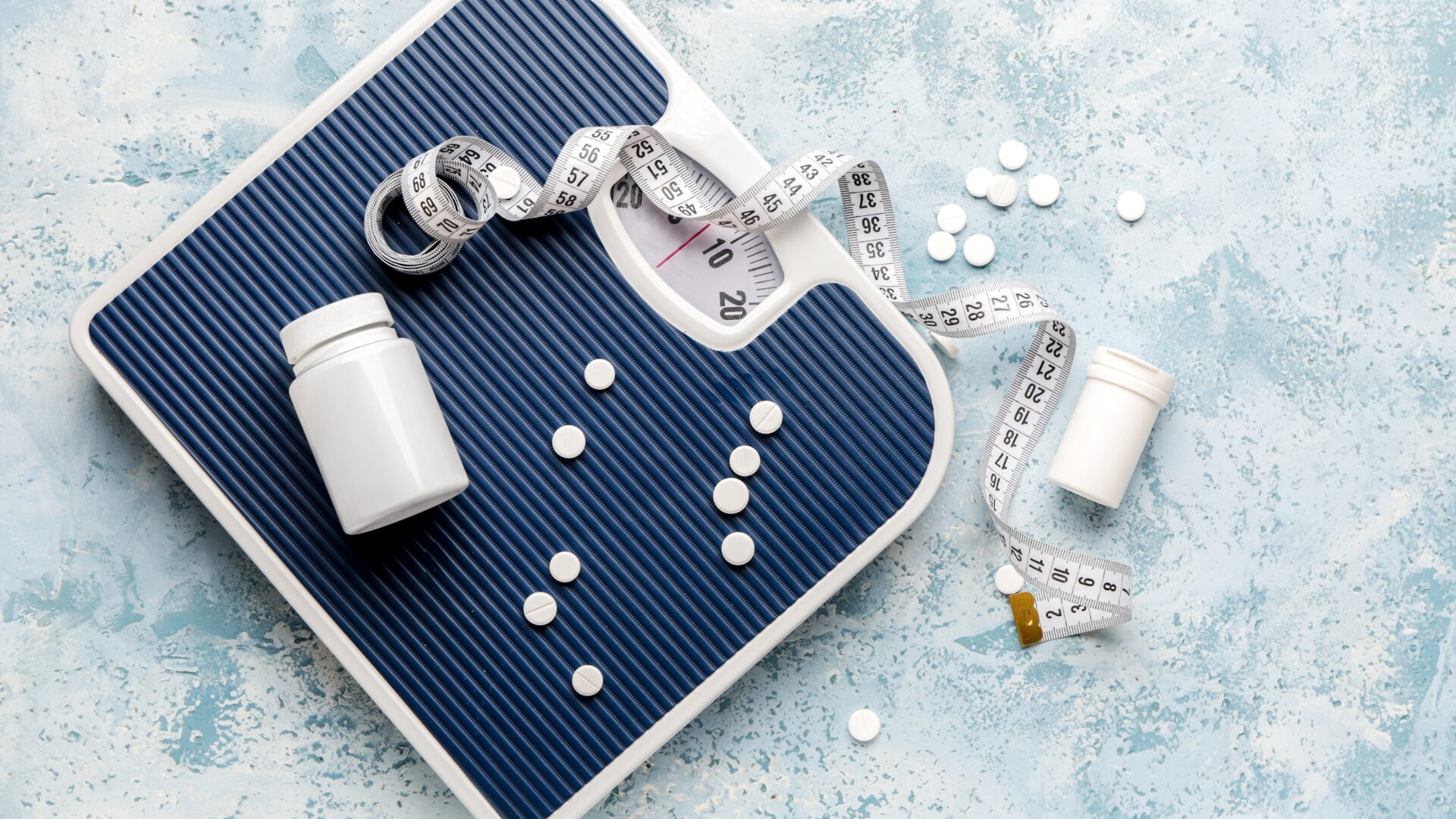
B12 Shots for Weight Loss: Exploring Benefits & Alternatives
B12 shots for weight loss, obesity, and body fat have become increasingly popular as people seek effective solutions to achieve their weight goals. Many individuals with obesity are incorporating B12 shots into their weight loss plans, hoping to experience positive results based on medical advice and several studies. Understanding the role of B12 intake and its link to the body’s metabolism and obesity is crucial when considering this type of supplementation.

New Year’s Resolutions: Self-Care Ideas for Wellness & Growth
Self-care ideas for your New Year’s resolutions are not just another item on a to-do list; they’re the essential ingredients for a fulfilling life of wellness, good housekeeping, and gratitude journaling. It’s about setting realistic wellness goals, finding simple ways to incorporate self-care and gratitude journaling into your daily routine, and reaping the mental health benefits that come with it.

Benefits of Dry Brushing: Unlocking the Secrets for Healthy Skin
Dry brushing is a simple massage technique that has been used for centuries to promote healthy skin and overall well-being. This technique involves exfoliation of the skin using a brush, followed by the application of a moisturizer or lotion. By using a dry brush on the skin, you can exfoliate dead cells, stimulate circulation, support detoxification, and enhance the effectiveness of your moisturizer and massage. Unlike other skincare products or treatments, dry brushing is a convenient way to increase circulation and prevent ingrown hairs in the comfort of your own home. It’s a great addition to your self-care routine.

Vitamins for a Bigger Butt: Boost Glute Growth with Nutrition
Looking to enhance your curves and achieve a fuller, more voluptuous derriere? Try incorporating a glute workout into your exercise routine. The glute bridge is an effective exercise for targeting and toning the booty.

Oura Ring: Where to Buy for Fitness, Sleep & Health
The Oura Ring is a popular wearable device that tracks sleep, activity, overall health, and natural cycles. It is a site for monitoring your body’s rhythms and can be used as a kit to understand your finger’s health. If you’re interested in purchasing an Oura Ring, there are several options available to you.
Best Supplements for Muscle Growth – 2023’s Top Gainers!
Looking to maximize your muscle growth? The right sports nutrition supplements can be an essential part of your fitness journey, especially when combined with a well-designed exercise program for muscle building. Additionally, incorporating testosterone boosters into your routine can further enhance your results. Not only do workout supplements support muscle synthesis, but they also provide a range of benefits that can enhance your performance and results.

Symptoms of Stress in Women: Common Signs & Effects
Symptoms of Stress in Women: Common Signs & Effects Imagine this: Many women are juggling multiple roles in life – career, family, relationships, and personal aspirations. People in various areas, for example, are facing similar challenges. It can feel like a never-ending balancing act. But amidst all the chaos, there’s one thing that often goes unnoticed – stress. Stress can have a significant effect on people, increasing the risk of heart attack. Stress is not just a thing thrown around casually; it’s a real and significant effect to the various situations and challenges women face every day. Participants experience this effect. From emotional changes to physical signs, stress can have a significant effect on many women throughout the day. We’ll delve into common areas where stress can manifest itself. Understanding these symptoms is crucial for men’s overall well-being because recognizing and addressing them is essential for Men’s Day. Defining Stress in Women Stress levels can vary among women due to different stressors and individual responses. Many women experience stress at some point in their lives, whether it’s from work, relationships, or other factors. Chronic stress in women can have significant effects on their health. It has been linked to an increased risk of developing high blood pressure and mental health issues such as anxiety and depression. Women may also experience hormonal changes during their menstrual cycles that can affect their stress response and emotions. Hormones like cortisol, known as the “stress hormone,” can fluctuate throughout the month, impacting how women perceive and react to stressful situations. These hormonal fluctuations can sometimes make women more susceptible to experiencing heightened stress symptoms during certain times of the month. It’s important for women to recognize the symptoms of stress so they can take steps to manage it effectively. Some common symptoms include headaches, fatigue, difficulty sleeping, irritability, changes in appetite, and difficulty concentrating. If left unaddressed, chronic stress can lead to more severe health problems such as heart disease. Recognizing Signs of Stress Physical Symptoms: Listen to Your Body Stress can take a toll on our bodies, and it often shows up in various physical symptoms. Have you ever noticed your heart racing or your blood pressure going up when you’re feeling stressed? These are common signs that stress is affecting your body. It’s like your body is sending out an SOS signal, saying “Hey, I’m not okay!” Emotional Rollercoaster: Ride with Caution Just as stress affects us physically, it also messes with our emotions. When stress levels skyrocket, we may find ourselves feeling anxious, irritable, or overwhelmed. It’s like being on a rollercoaster ride where every twist and turn brings about a new wave of emotions. Chronic Stress: A Serious Matter While short bursts of stress are normal, chronic stress is a whole different ballgame. When we experience prolonged periods of stress without relief or relaxation, it can lead to serious health problems. Imagine carrying around a heavy backpack all day long – eventually, it starts to weigh you down and affect your overall well-being. The Mind-Body Connection: Stress and Mental Health Stress doesn’t just impact our physical health; it also takes a toll on our mental well-being. High levels of stress can contribute to the development or worsening of mental health issues such as anxiety and depression. It’s like having a storm cloud constantly hovering over your head. The Warning Signs: Pay Attention! Recognizing the signs of stress is crucial for taking care of ourselves. By paying attention to both the physical symptoms and emotional cues that our bodies send us, we can better manage our stress levels and seek support when needed. Remember, it’s important to listen to what your body is telling you – it’s trying to communicate its needs! Understanding Emotional and Cognitive Indicators Emotional and cognitive indicators are common symptoms that can provide valuable insights into their mental and emotional well-being. These indicators encompass changes in emotions, feelings, and overall mental health. By recognizing these signs, women can gain a better understanding of their stress levels and take appropriate measures to care for themselves. Changes in Emotions One of the key emotional indicators of stress in women is experiencing frequent shifts in emotions. They may find themselves feeling more irritable, anxious, or overwhelmed than usual. They might have difficulty controlling their emotions or notice an increase in mood swings. These emotional changes can be triggered by various stressors such as work pressures, relationship issues, or challenging life situations. Impact on Mental Health Stress can also significantly impact a woman’s mental health. It may lead to feelings of sadness or depression, decreased motivation or concentration levels, and even affect sleep patterns. Women experiencing high levels of stress often report racing thoughts or difficulty focusing on tasks at hand. These cognitive indicators can further exacerbate feelings of stress and make it challenging to cope with daily responsibilities. Recognizing these emotional and cognitive signs is crucial for women to identify when they are under significant stress. By acknowledging these symptoms early on, they can take proactive steps towards managing their stress levels effectively. Physical Manifestations of Stress Changes in Blood Pressure and Heart Rate When stress hits, it doesn’t just mess with our minds; it can also wreak havoc on our bodies. One of the physical symptoms of stress is changes in blood pressure and heart rate. When we’re stressed out, our heart starts pounding faster, and our blood pressure may rise. It’s like our body is revving up for a race! Health Problems Caused by Chronic Stress If stress becomes a regular part of our lives, it can lead to serious health problems. Chronic stress, which means being stressed for a long time, can increase the risk of heart attacks and other cardiovascular issues. Imagine having your body under constant strain – it’s like pushing a car to its limits without giving it a break. Impact on Cortisol Production Stress levels can have an impact on the body’s cortisol production. Cortisol is a hormone that helps regulate various

Supplements to Reduce Cortisol: Expert’s Top 5 Picks
Supplements to Reduce Cortisol: Expert’s Top 5 Picks Cortisol, the stress hormone, can wreak havoc on our overall well-being. Produced by the adrenal glands in response to stress, cortisol plays a vital role in regulating our body’s stress response and maintaining a healthy circadian rhythm. However, when cortisol levels remain consistently elevated due to chronic stress, it can lead to various health issues such as anxiety, disrupted hormonal balance, and elevated blood sugar levels. Reducing cortisol levels naturally is crucial for restoring balance and promoting optimal health. Thankfully, there are supplements available that can help lower cortisol levels and alleviate the negative effects of chronic stress. So if you’re looking to regain control over your stress levels and promote a healthier lifestyle, read on to discover how these natural remedies can make a significant difference. How do cortisol levels affect your mood? Elevated cortisol levels can have a significant impact on your mood. When our bodies experience stress, the adrenal glands release cortisol, also known as the “stress hormone.” While cortisol is important for our survival and helps us cope with stressful situations, prolonged exposure to high levels of cortisol can lead to negative changes in mood. Maintaining healthy cortisol levels is crucial for managing stress and promoting a positive mood. When we face chronic stress, such as ongoing work pressure or relationship problems, our cortisol levels may remain consistently elevated. This continuous activation of the stress response can disrupt our body’s natural balance and negatively affect our mood. High cortisol levels can cause irritability, anxiety, and even depression. It’s like having an unwanted guest overstaying their welcome at your house – it starts to take a toll on your happiness and well-being. Imagine feeling constantly on edge or experiencing frequent bouts of sadness without any apparent reason. These are some ways that elevated cortisol levels can impact your mood. Reducing cortisol levels naturally is essential for restoring emotional equilibrium. Here are some tips to help you manage stress and keep those cortisol levels in check: Practice Stress Management Techniques Engage in activities that help you relax and unwind, such as deep breathing exercises, meditation, or yoga. Find hobbies or interests that bring you joy and allow you to escape from daily stressors. Ensure you get enough sleep each night as lack of sleep can contribute to elevated cortisol levels. Maintain a Healthy Lifestyle Eat a balanced diet rich in fruits, vegetables, whole grains, lean proteins, and healthy fats. Stay physically active by incorporating regular exercise into your routine. Limit caffeine intake as it can stimulate the release of cortisol. Build Strong Support Systems Surround yourself with positive influences – friends and family who uplift you rather than drain your energy. Seek support from loved ones when facing challenging situations. Consider talking to a therapist or counselor who can provide guidance and help you develop coping strategies. Prioritize Self-Care Take time for yourself each day to engage in activities that bring you joy and relaxation. Practice self-care rituals like taking a warm bath, reading a book, or going for a walk in nature. Avoid overcommitting yourself and learn to say no when necessary. Top Supplements to Reduce Cortisol Supplementation with certain natural substances can be an effective way to reduce cortisol levels in the body. Here are some of the top supplements that can help regulate cortisol and promote a healthier stress response: Rhodiola: Rhodiola is an adaptogenic herb that has been used for centuries to combat stress and promote overall well-being. It works by modulating the release of cortisol, helping to keep levels within a healthy range. Rhodiola has also been shown to improve mood and reduce fatigue, making it a popular choice for those looking to manage stress. Ashwagandha: Ashwagandha is another powerful adaptogen that can help lower elevated cortisol levels. It has been used in traditional Ayurvedic medicine for its calming properties and ability to support the body’s stress response. Ashwagandha has been shown to reduce anxiety, improve sleep quality, and enhance overall resilience to stress. Maca: Maca root is a nutrient-dense superfood that offers numerous health benefits, including its potential to regulate cortisol levels. Maca contains adaptogenic compounds that help the body maintain balance during times of stress. By supporting the adrenal glands, maca may help prevent excessive cortisol production and promote a more balanced stress response. Theanine: Theanine is an amino acid commonly found in green tea leaves. It is known for its calming effects on the mind and body. Theanine helps promote relaxation by increasing alpha brainwave activity, which is associated with a state of calm alertness. By reducing anxiety and promoting relaxation, theanine may indirectly help lower cortisol levels. Supplementing with these natural remedies can offer several benefits when it comes to managing cortisol: Reduced cortisol levels: These supplements have been shown to help bring down elevated cortisol levels back into a healthier range. Improved mood: By regulating cortisol secretion, these supplements may help improve mood and reduce symptoms of anxiety and depression. Enhanced stress resilience: Adaptogenic supplements like rhodiola, ashwagandha, maca, and theanine can support the body’s ability to adapt to stressors, making it easier to cope with daily challenges. Better sleep quality: Lowering cortisol levels can contribute to improved sleep quality, helping you feel more rested and rejuvenated. While these supplements can be beneficial for reducing cortisol levels, it’s important to remember that they should not replace a healthy lifestyle. Regular exercise, proper nutrition, adequate sleep, and stress management techniques are all essential for maintaining balanced cortisol levels. Other natural ways to reduce your cortisol levels Exercise Regularly One effective way to regulate your cortisol levels is through regular exercise. Engaging in physical activity helps to reduce stress and promote the release of endorphins, which are natural mood boosters. Whether it’s going for a brisk walk, playing a sport, or dancing to your favorite tunes, find an activity that you enjoy and make it a part of your routine. Incorporate Stress Management Techniques Managing stress is crucial for

Low Sugar Desserts for Thanksgiving: 20 Healthy Recipes
Low Sugar Desserts for Thanksgiving: 20 Healthy Recipes Buy on Amazon Imagine this: Thanksgiving dinner is over, and you’re craving a healthy dessert to top off the feast. How about some delicious pumpkin cookies, brownies, or cupcakes? But you also want to keep your sugar intake in check, especially if you have diabetes. It’s important to be mindful of the calories in your desserts and opt for healthy dessert options that align with diabetic exchanges. Don’t worry! We’ve got you covered with a delectable array of low-sugar desserts, including vanilla ice cream, that will satisfy your sweet tooth without the guilt. These desserts are suitable for individuals with diabetes and can be easily incorporated into diabetic exchanges. Plus, they are low in calories. From mouthwatering diabetic exchanges and fruit-based desserts to creative spins on classic diabetic exchanges favorites, we’ll explore a variety of options that are both tasty and low in sugar. These recipes are perfect for those with diabetes who are looking for nutritious and delicious options. Say goodbye to traditional high-sugar dessert recipes and hello to healthier alternatives that are low in calories and suitable for diabetic exchanges. These nutritious desserts don’t compromise on flavor. Whether you’re hosting Thanksgiving dinner or attending as a guest, these dessert recipes will add a touch of sweetness to your holiday celebration without sending your blood sugar levels soaring. These dessert recipes are perfect for individuals who need to manage their blood sugar levels, as they are made with diabetic exchanges and are low in starch and calories. Additionally, these recipes prioritize nutrition without compromising on taste. Get ready for a delightful journey through the world of low-sugar dessert recipes for Thanksgiving! Discover delicious options that are suitable for diabetic exchanges and packed with nutrition. Diabetic Carrot Cake If you’re a fan of carrot cake but need a low-sugar recipe that is also low in calories, don’t worry! This carrot cake recipe is both delicious and nutritious. It is low in fat and packed with essential nutrients. You can still enjoy this classic dessert recipe without compromising your nutrition and adding unnecessary fat and calories. Moist and Flavorful Carrot Cake The key to a great carrot cake lies in its moisture, flavor, and nutrition. Traditional recipes often call for a significant amount of sugar, which can be problematic for those concerned about calories, nutrition, fat, cholesterol, and diabetes. However, there are alternative sweeteners available that can provide the desired sweetness without negatively impacting blood sugar levels or adding unnecessary calories, sodium, cholesterol, and nutrition. One option for improving nutrition is to use natural sweeteners like stevia or monk fruit extract. These sweeteners can help reduce calories and fat intake while still providing a satisfying taste. These alternatives have minimal impact on blood sugar and can be used in place of refined sugars in baking recipes. Additionally, they are low in calories and fat, and high in nutrition and fiber. You can experiment with spices like cinnamon and nutmeg to enhance the flavor profile of your carrot cake while also considering its nutritional value, such as its fiber content, fat content, and calorie count. Diabetic-Friendly Sweeteners It’s essential to choose sweeteners that are suitable for diabetics, while also considering their calorie content, nutritional value, cholesterol levels, and fiber content. Here are some popular options: Stevia: This natural sweetener, derived from the leaves of the Stevia rebaudiana plant, is low in sodium and cholesterol and a good source of fiber and nutrition. It has zero fat and calories and doesn’t raise blood sugar levels. Additionally, it is rich in nutrition and fiber, while being low in cholesterol. Monk Fruit Extract: Also known as Luo Han Guo, monk fruit extract is another excellent choice for diabetics looking to add fiber, nutrition, and low calories to their diet while managing cholesterol levels. It contains natural compounds called mogrosides that provide sweetness without affecting blood glucose levels. Additionally, this fruit is low in cholesterol and calories, making it a nutritious choice. Furthermore, it is also high in fiber, which is important for maintaining a healthy diet. Erythritol: This sugar alcohol is commonly used as a substitute for table sugar, with fewer calories and no cholesterol. It also has a low amount of sodium and provides some fiber. It has fewer calories and is low in fat, making it a great choice for those watching their nutrition. Additionally, it doesn’t cause significant spikes in blood sugar levels, making it suitable for individuals concerned about cholesterol and fiber intake. By using these diabetic-friendly sweeteners, you can enjoy a moist and flavorful carrot cake while keeping your blood sugar under control. Plus, this cake is low in calories and fat, making it a healthy choice for those watching their nutrition. Additionally, the carrot cake is packed with fiber, which is beneficial for digestion and overall health. Cream Cheese Frosting No carrot cake is complete without its signature cream cheese frosting. The delicious treat adds flavor and texture to the cake, while also adding fat and calories. However, it’s important to be mindful of portion sizes and overall nutrition when enjoying this indulgent dessert. Additionally, keep in mind that cream cheese frosting typically contains cholesterol, so moderation is key. Fortunately, you can still enjoy this delectable topping while staying within your diabetic diet, without compromising on nutrition, fat, cholesterol, and sodium. Here’s how: Use low-fat cream cheese to keep the calorie, fat, cholesterol, and sodium content in check. Sweeten with alternative sweeteners: Instead of powdered sugar, use a diabetic-friendly sweetener like powdered stevia or erythritol to achieve the desired sweetness. This is a great way to reduce the amount of fat and cholesterol in your recipes. Enhance the taste of your frosting by adding a splash of pure vanilla extract, which adds flavor and does not contain any fat or cholesterol. This will give it a rich and aromatic flavor without adding any additional sugar, fat, or cholesterol. With these modifications, you can create a creamy and tangy cream cheese

Best Vitamins to Build Muscle Growth: Boost Your Gains
Best Vitamins to Build Muscle Growth: Boost Your Gains Are you looking to maximize your muscle gains? Wondering which vitamins and protein supplements can help you achieve your muscle growth goals and weight gainers for muscle gain? Proper nutrition, including enough protein from protein supplements, plays a vital role in supporting muscle growth during weight training exercise programs. Certain vitamins and minerals are also essential for muscle development. It’s not just about hitting the gym hard. To optimize muscle tissue repair, growth, and overall performance, it is important to provide your body with enough protein. Incorporating whey protein into your exercise program can help ensure you are consuming the necessary calories for optimal results. Vitamins like vitamin B12 are crucial for exercise performance, proper muscle contraction, and energy production. Minerals like calcium, magnesium, and potassium play a vital role in maintaining strong and healthy muscle cells. It is also important to ensure you consume enough protein for optimal exercise performance. Iron, magnesium, and vitamin B12 are necessary for oxygen transport through red blood cells, ensuring optimal endurance during workouts at the gym. Vitamin deficiencies can hinder performance. Discover how magnesium, iron, and calories impact your muscles, their effects on performance, and what happens when there is a deficiency. Research has shown the importance of these nutrients for optimal muscle function. Get ready to take your muscle building and muscle gain journey to the next level with the power of proper nutrition! Achieve your muscle growth goals by focusing on consuming the right amount of calories. Importance of Essential Amino Acids for Muscle Recovery Amino acids play a crucial role in muscle repair and recovery, making them essential for anyone looking to build muscle growth. Additionally, research has shown that iron and vitamin deficiency can hinder muscle growth. Therefore, it is important to ensure that you are meeting your body’s need for these nutrients. These building blocks of protein, rich in iron, are responsible for rebuilding and repairing muscles after intense workouts. Research shows that consuming enough calories is crucial for maintaining a healthy weight. Among the various types of amino acids, essential amino acids are particularly important for muscle gain as they cannot be produced by the body and must be obtained through diet or supplementation. This is where iron from the pharmacy comes into play, as it is crucial for weight management. Amino acids aid in muscle repair and recovery. After an intense workout, our muscles undergo microscopic damage. This is where amino acids step in to help with muscle gain and the repair process. They can be found at your local pharmacy. Amino acids act as the building blocks for protein synthesis, which is necessary for muscle tissue repair. By providing the necessary materials, amino acids support the regeneration of damaged muscle fibers and promote faster recovery. Essential amino acids are crucial for rebuilding muscles. While all amino acids play a role in muscle recovery, essential amino acids (EAAs) are especially vital. EAAs, essential for muscle gain, include nine specific amino acids that cannot be synthesized by our bodies on their own. These include histidine, isoleucine, leucine, lysine, methionine, phenylalanine, threonine, tryptophan, and valine. Ensuring an adequate intake of these essential amino acids is key to promoting optimal muscle growth and repair. Role of amino acids in reducing muscle soreness post-workout. One common side effect of intense exercise is delayed onset muscle soreness (DOMS), which can make it difficult to perform subsequent workouts or daily activities comfortably. Fortunately, amino acid supplementation has been shown to alleviate this discomfort by reducing inflammation and aiding in the removal of waste products from muscles. By mitigating DOMS symptoms, amino acids enable individuals to recover more quickly and continue their fitness journey without unnecessary pain or discomfort. How essential amino acids support the growth of lean muscle mass. Building lean muscle mass requires not only regular strength training but also adequate nutrition. Essential amino acids play a crucial role in this process by stimulating muscle protein synthesis and promoting the growth of lean muscle tissue. Leucine, in particular, has been identified as a key amino acid for triggering protein synthesis and maximizing muscle growth. By incorporating essential amino acids into their diet or supplementation routine, individuals can optimize their muscle-building potential. Harnessing the Power of Branched-Chain Amino Acids (BCAAs) for Muscle Growth BCAAs, or branched-chain amino acids, are an essential tool in the quest to build lean muscle mass. These powerful compounds play a crucial role in promoting protein synthesis and muscle growth, making them a must-have supplement for anyone looking to maximize their gains at the gym. BCAAs promote protein synthesis and muscle growth Protein is king. BCAAs are unique because they contain three essential amino acids: leucine, isoleucine, and valine. These amino acids serve as the building blocks for proteins in your body and are especially effective at stimulating muscle protein synthesis. By taking BCAAs before or after your workout, you provide your muscles with the necessary fuel to repair and grow. This increased protein synthesis leads to greater gains in lean body mass over time. So if you’re looking to pack on some serious muscle, incorporating BCAAs into your supplement routine is a smart move. Benefits of BCAAs in reducing exercise-induced fatigue In addition to promoting muscle growth, BCAAs also offer significant benefits. When you push yourself during intense workouts, your body produces tryptophan—an amino acid that can make you feel tired and fatigued. However, by supplementing with BCAAs, you can actually reduce the amount of tryptophan that enters your brain. This helps combat fatigue and allows you to train harder for longer periods without feeling completely drained. Leucine, isoleucine, and valine: the key components of BCAAs Let’s break down the three key components of BCAAs: leucine, isoleucine, and valine. Leucine: Known as the “king” of amino acids, leucine is the most important component of BCAAs. It activates a protein called mTOR, which plays a crucial role in stimulating muscle protein synthesis. Isoleucine: Isoleucine helps regulate blood sugar

Low Sugar Candy Options for Halloween: Top 10 Healthy Picks!
Low Sugar Candy Options for Halloween: Top 10 Healthy Picks! Imagine this: it’s Halloween night, and you’re surrounded by a sea of colorful candy wrappers filled with caramels, smarties, and other sweet treats. Your sweet tooth is calling, but you’re determined to make healthier choices this year. Luckily, there are plenty of healthy candy options and candy alternatives available that can satisfy your cravings without the guilt. Say goodbye to artificial sweeteners and hello to delicious and guilt-free candy treats. Don’t worry, I’ve got you covered! Who says you can’t enjoy delicious treats without excessive sugar? There are plenty of healthy candy options available that use alternative sweeteners. Instead of reaching for a traditional candy bar, consider trying some candy alternatives that are better for your health. With these healthy candy treats, you can satisfy your cravings while keeping your sugar intake, calories, and carbs in check. In this blog post, we’ll explore the various sweeteners used in healthy candy bars and explain why they can be a guilt-free choice for your Halloween celebrations. So get ready to indulge without the sugar rush! Say goodbye to high-sugar candies and embark on a guilt-free Halloween adventure with these low sugar options. These healthy alternatives have fewer carbs and calories, making them a great choice for those watching their food intake. Buckle up and get ready to discover a whole new approach to satisfying your sweet tooth while managing your fat, calories, fiber, and carbs. Benefits of Choosing Low Sugar Halloween Candy One of the most exciting pieces is indulging in delicious treats that are low in fat and calories but high in protein. However, the excessive consumption of sugary candies can have negative effects on our health, particularly our dental health, blood sugar levels, and the amount of carbs, calories, fat, and grams we consume. That’s why opting for low sugar, low carbs, low calories, and low fat candy options with high fiber content for Halloween can be a smart choice. Reduce the Risk of Dental Issues We all know that consuming too many carbs and fat can wreak havoc on our teeth, as well as increase calories and grams intake. The high sugar content in traditional candies provides fuel for harmful bacteria in our mouths, leading to tooth decay and cavities. These candies are high in carbs and calories, which can contribute to weight gain. Additionally, they are low in fiber and high in fat, making them an unhealthy choice for our overall health. By choosing low sugar candy options, you can significantly reduce the risk of dental issues while still satisfying your sweet tooth. These options are low in carbs, calories, and fat, and often high in fiber. Pro Tip: Look for candies that are sweetened with natural alternatives like stevia or xylitol, which have fewer carbs, calories, and fat and more fiber. They are also less likely to contribute to tooth decay. Enjoy Flavors without Negative Health Effects Indulging in the flavors of Halloween doesn’t have to come at the expense of your health. You can enjoy the treats while being mindful of the calories, fat, serving size, and fiber content. Low sugar candies provide a guilt-free way to enjoy the taste and excitement of Halloween treats while reducing the intake of calories, carbs, fat, and increasing fiber. Example: Choose dark chocolate treats over milk chocolate ones for fewer calories, less fat, more fiber, and fewer carbs. Dark chocolate is a healthier choice because it contains less added sugars and is rich in antioxidants, making it low in fat, calories, and carbs while high in fiber. Keep Blood Sugar Levels Stable High-sugar foods cause spikes in blood glucose levels, which can lead to an increase in carbs and calories consumed. These spikes are followed by crashes that leave us feeling tired and sluggish due to the high amounts of fat and grams present in these foods 1. Trader Joe’s Dark Chocolate Peanut Butter Cups Buy on Amazon If you’re looking for a delicious treat that satisfies your sweet tooth without the guilt, Trader Joe’s Dark Chocolate Peanut Butter Cups are the perfect choice. With only [fat grams] of fat and [calories] per serving, they are a guilt-free indulgence. These delectable candies combine the richness of dark chocolate with a creamy peanut butter filling, creating an irresistible flavor explosion in every bite. With their low fat and calorie content, these candies make for a guilt-free treat. Each serving is also packed with carbs to give you an energy boost. Rich Dark Chocolate and Creamy Peanut Butter Filling Trader Joe’s Dark Chocolate Peanut Butter Cups are a delicious treat with a rich and creamy peanut butter center. Each serving contains a satisfying amount of fat and protein, making them a satisfying snack. The serving of this delicious dish contains a low amount of fat and only a few grams of fiber, creating a harmonious balance that is sure to delight your taste buds. Each serving delivers a satisfying blend of sweetness and nuttiness, with low fat and calories and high fiber content, making it hard to resist reaching for another. Guilt-Free Indulgence One of the biggest advantages of Trader Joe’s Dark Chocolate Peanut Butter Cups is their low sugar content, which means they have fewer calories and grams of fat and carbs. While traditional peanut butter cups can be loaded with sugar and calories, these guilt-free treats are low in fat, carbs, and grams. They are made with less sugar and fewer calories than their counterparts, allowing you to enjoy a sweet treat without worrying about excessive sugar intake. These treats have reduced carbs and higher fiber content, with only a few grams per serving. Classic Taste with Less Sugar Despite having reduced sugar content, Trader Joe’s Dark Chocolate Peanut Butter Cups still contain the same classic taste we all know and love, while also being low in calories, carbs, and grams of sugar, and high in protein. The combination of rich dark chocolate and creamy peanut butter ensures

How to Calm Anxiety: 14 Tips for Control
How to Calm Anxiety: 14 Tips for Control Anxiety, including panic disorder, a common mental health condition characterized by excessive worry and heightened stress levels, can feel overwhelming and debilitating. It is a response to a perceived threat. But here’s the good news: there are effective strategies to help you calm excessive worry and reduce stress levels, allowing you to regain control of your life even if you suffer from panic disorder or feel threatened. By understanding the causes and symptoms of excessive worry, you can take proactive steps towards managing anxiety and improving your overall well-being. Excessive worry can lead to elevated stress levels and impact brain chemistry. Additionally, it is important to be mindful of the effects of caffeine on anxiety levels. Therapy, medication, and lifestyle changes are powerful tools for people with anxiety disorder to manage stress levels and reduce alcohol consumption. Therapy provides a safe space for people with anxiety disorders to explore their thoughts and emotions while learning coping mechanisms. This can be especially helpful for individuals who may turn to alcohol as a way to manage their anxiety. Being part of a therapy group can provide additional support and understanding from others who are going through similar experiences. Medication can help regulate brain chemistry, reducing anxiety symptoms. Lifestyle changes such as exercise, mindfulness practices, healthy sleep habits, and caffeine consumption contribute to long-term anxiety management for people in a group setting. Remember, you’re not alone in this battle against anxiety. With the right support and techniques, people can find relief and live a fulfilling life, even if they consume caffeine. Recognizing Symptoms of Anxiety and Panic Attacks Recognizing the symptoms of anxiety and panic attacks in people who consume caffeine is crucial for early intervention and effective treatment. By understanding the physical and emotional signs, people can identify when anxiety is taking hold and take steps to calm themselves down. Caffeine can exacerbate these symptoms, so it’s important for individuals to be mindful of their caffeine intake. Let’s dive into some common symptoms of anxiety and panic attacks to help people better recognize them. Common Symptoms of Anxiety Anxiety is a condition that affects people, characterized by excessive worry, restlessness, and difficulty concentrating. It can manifest in various ways for people, both physically and emotionally. Here are some common symptoms: Excessive worrying: People feeling constantly on edge or worrying excessively about everyday situations. Restlessness: Being unable to relax or feeling restless. Difficulty concentrating: Many people are finding it hard to focus or experiencing mind blanks. Irritability: Feeling easily irritated or becoming agitated over small things. Muscle tension: Tightness in muscles, often leading to headaches or body aches. Sleep disturbances: Having trouble falling asleep, staying asleep, or experiencing restless sleep. These symptoms may vary from person to person, but they often interfere with daily life activities and cause distress. Understanding Panic Attacks Panic attacks are intense episodes that come on suddenly without warning. They usually reach their peak within minutes but can last longer in some cases. During a panic attack, you may experience the following symptoms: Rapid heartbeat: Your heart may start pounding rapidly or feel like it’s racing. Shortness of breath: You may struggle to catch your breath or feel like you’re suffocating. Chest pain or discomfort: A tightness or pressure sensation in your chest may occur. Sweating: Profuse sweating even when not engaging in physical activity. Trembling or shaking: Uncontrollable trembling or shaking of the body. Dizziness or lightheadedness: Feeling faint, dizzy, or lightheaded. Nausea or stomach distress: Upset stomach, queasiness, or even vomiting. Fear of losing control: A sense of impending doom or fear of going crazy. Fear of dying: Feeling like you’re about to die or that something terrible is happening. Panic attacks can be terrifying and overwhelming, often leading individuals to seek immediate medical attention. The Importance of Recognizing Symptoms Recognizing the symptoms of anxiety and panic attacks is crucial for several reasons: Early intervention: Identifying symptoms early allows for prompt intervention and treatment, preventing the condition from worsening. Effective treatment: Understanding the signs helps healthcare professionals provide appropriate treatment tailored to your needs. Reducing distress: Recognizing symptoms allows you to take steps to calm yourself down and manage anxiety more effectively. Seeking support: Knowing the signs enables you to reach out to loved ones for support and understanding. By recognizing these symptoms, you take a significant step towards managing your anxiety and seeking help when needed. Seeking Professional Help for Untreated Anxiety Untreated anxiety can have a significant impact on your daily life and overall well-being. It’s important to recognize that excessive worry, fear, and panic attacks are not something you have to face alone. Seeking professional help from a mental health professional can provide valuable guidance and support in managing your anxiety. It’s crucial to consult with a qualified health professional who specializes in anxiety disorders. They have the knowledge and expertise to assess your symptoms accurately and develop an individualized treatment plan tailored to your needs. Therapy: A Pathway to Calmness One of the most effective treatments for anxiety disorders is therapy, specifically cognitive-behavioral therapy (CBT). CBT focuses on identifying negative thought patterns and behaviors that contribute to anxiety and teaches strategies to challenge and replace them with more positive and rational thoughts. During CBT sessions, you’ll work closely with a therapist who will help you understand the root causes of your anxiety. They will guide you through various techniques such as relaxation exercises, breathing techniques, and exposure therapy. These techniques aim to reduce anxiety symptoms gradually by exposing you to feared situations in a controlled manner. Therapy provides a safe space for individuals struggling with anxiety to express their fears, worries, and concerns openly without judgment. It equips them with coping mechanisms that empower them to manage their symptoms effectively in everyday life. Medication: When Extra Support is Needed In some cases, medication may be prescribed alongside therapy for treating severe or persistent anxiety symptoms. Medications such as selective serotonin reuptake inhibitors (SSRIs) or
Foods That Boost Your Mood: 9 Powerful Choices!
Foods That Boost Your Mood: 9 Powerful Choices! Picture this: you wake up feeling a little down, lacking the energy and motivation to tackle the day ahead. But what if I told you that a simple dietary change could turn your mood around? The connection between food and mood is stronger than you might think. By incorporating certain foods into your diet, you can positively impact your emotional well-being and elevate your overall mindset. Science has shown that specific foods have the power to boost serotonin levels in our brains, which is often referred to as the “happy hormone.” For example, yogurt contains probiotics that support gut health and aid in serotonin production. And let’s not forget about salmon, rich in omega-3 fatty acids that promote brain health and enhance mood. Even oysters, high in zinc, play a role in regulating neurotransmitters associated with mood regulation. So buckle up and get ready to nourish your body for a happier mindset with these powerful food choices. Expert-Backed Recommendations for Mood-Boosting Foods In today’s fast-paced world, it’s not uncommon to feel a little down or stressed from time to time. But did you know that what you eat can have a significant impact on your mood? That’s right! Certain foods are known to boost your spirits and enhance your overall well-being. So, let’s dive in and uncover some expert-backed recommendations for mood-boosting foods. Uncover expert-approved foods that can enhance your mood. Nutritionists and health specialists have identified several key foods that can make a positive difference. These foods are not only delicious but also packed with nutrients that support a positive mindset. So, if you’re feeling low, consider adding the following items to your grocery list: Dark chocolate: Indulging in a small piece of dark chocolate can release endorphins, which are known as “feel-good” hormones. Berries: Loaded with antioxidants and vitamins, berries such as blueberries and strawberries have been linked to improved cognitive function and reduced symptoms of depression. Leafy greens: Spinach, kale, and other leafy greens contain folate, which helps produce serotonin—a neurotransmitter associated with happiness. Fermented foods: Foods like yogurt, sauerkraut, and kimchi are rich in probiotics that promote gut health. Emerging research suggests a strong connection between gut health and mental well-being. Learn from professionals about the best foods to uplift your spirits. Nutritionists play a crucial role in guiding us towards healthier food choices. Their expertise helps us understand how specific nutrients impact our mood. Here are some top recommendations from these professionals: Omega-3 fatty acids: Found in fatty fish like albacore tuna and salmon, omega-3s have been shown to reduce symptoms of depression. Incorporating these fish into your diet can provide a much-needed mood boost. Whole grains: Foods like brown rice, quinoa, and whole wheat bread are excellent sources of complex carbohydrates. These carbs help regulate serotonin levels in the brain, promoting feelings of calmness and happiness. Nuts: Almonds, walnuts, and cashews are not only delicious but also rich in healthy fats and protein. They contain magnesium—a mineral that plays a vital role in regulating mood. Discover evidence-based recommendations for boosting your mood through diet. Numerous studies have explored the relationship between diet and mental well-being. Let’s take a closer look at some research-backed findings: The Mediterranean diet: Researchers have found that adhering to a Mediterranean-style eating pattern—rich in fruits, vegetables, whole grains, lean proteins, and healthy fats—can reduce the risk of depression and improve overall mental health. Vitamin D: Low levels of vitamin D have been linked to an increased risk of depression. While sunlight is the best source of this vitamin, you can also find it in fatty fish (like salmon), egg yolks, and fortified dairy products. B vitamins: B vitamins play a crucial role in brain function and mental health. Foods such as eggs, legumes, leafy greens, and poultry are good sources of these essential nutrients. Get insights into specific nutrients that support a positive mindset. In addition to specific foods mentioned earlier, certain nutrients have been associated with improved mood: Serotonin: This neurotransmitter is often referred to as the “happy hormone.” It helps regulate mood and promote feelings of well-being. The Power of Tea: Green and Black Tea for a Better Mood Tea is not just a beverage; it’s a mood-enhancing elixir that can help brighten your day. Whether you’re feeling down or simply need a pick-me-up, harnessing the power of tea can be a natural way to improve your mood. Green Tea: A Calming Cup of Serenity Green tea has long been revered for its numerous health benefits, but did you know it can also have a positive impact on your mood? This refreshing brew contains an amino acid called L-theanine, which has been shown to promote relaxation and reduce anxiety. By increasing alpha brain waves, L-theanine induces a sense of calmness without causing drowsiness. Sipping on a cup of green tea can be particularly beneficial during stressful situations or when you’re feeling overwhelmed. It helps to take the edge off and allows you to regain focus and composure. The moderate caffeine content in green tea provides an energy boost without the jitters commonly associated with coffee. Black Tea: A Soothing Sip for Emotional Well-being If you prefer something bolder in flavor, black tea might be just what you need to lift your spirits. Known for its rich taste and robust aroma, black tea is packed with compounds that have been linked to improved mood and mental clarity. One such compound is theaflavin, which has been found to increase dopamine levels in the brain. Dopamine is often referred to as the “feel-good” neurotransmitter because it plays a crucial role in regulating emotions and promoting feelings of pleasure and happiness. By boosting dopamine production, black tea can help elevate your mood naturally. Moreover, black tea contains flavonoids that possess antioxidant properties. These antioxidants help combat oxidative stress in the body, which has been associated with mood disorders such as anxiety and depression. By reducing oxidative stress, black tea can contribute to a

The Beauty of Collagen: Is It Worth Adding to Your Routine?
The Beauty of Collagen: Is It Worth Adding to Your Routine? In the world of health and wellness, collagen has gained significant attention in recent years. You’ve probably seen it advertised in various forms, from supplements and powders to skincare products and even beverages. But what exactly is collagen, and should you consider incorporating it into your daily routine? In this blog post, we’ll explore the fascinating world of collagen, its benefits, and whether or not you should be taking it. What Is Collagen? Collagen is the most abundant protein in the human body, accounting for about one-third of our total protein composition. It is often described as the “glue” that holds our body together because it provides structural support to various tissues, including skin, bones, tendons, ligaments, and muscles. Collagen is made up of amino acids, particularly glycine, proline, and hydroxyproline, which play crucial roles in maintaining the health of our connective tissues. As we age, our body’s natural collagen production begins to decline, which can lead to various signs of aging, such as wrinkles, joint pain, and decreased skin elasticity. Types of Collagen There are several types of collagen found in the human body, with Type I, Type II, and Type III being the most common: Type I Collagen: This type is abundant in the skin, tendons, ligaments, bones, and organs. It provides tensile strength and support to these structures. Type II Collagen: Found in cartilage, this type of collagen is crucial for joint health and flexibility. Type III Collagen: Often found in skin, blood vessels, and other tissues, Type III collagen contributes to skin elasticity and the overall structure of organs. Should You Be Taking Collagen? Now that we have a basic understanding of collagen, let’s explore whether or not you should consider taking collagen supplements or incorporating collagen-rich foods into your diet. Here are some benefits of taking Collagen: Skin Health: Collagen supplements may improve skin hydration, elasticity, and reduce the appearance of wrinkles, fine lines, and sagging skin. Joint Health: Type II collagen supplements have been shown to alleviate joint pain and support overall joint function, making them beneficial for individuals with conditions like osteoarthritis. Hair and Nail Health: Collagen may promote hair and nail growth and reduce brittleness. Gut Health: Collagen can help strengthen the gut lining, potentially improving digestion and reducing symptoms of conditions like leaky gut syndrome. Muscle Mass: Collagen supplements may help maintain and increase muscle mass, especially in combination with resistance training. Bone Health: Collagen is a component of bone matrix, and some studies suggest it may contribute to bone density and strength. Wound Healing: Collagen may accelerate wound healing and tissue repair. It’s important to note that while collagen supplements offer potential benefits, individual results can vary. Furthermore, a balanced diet rich in collagen-containing foods, such as bone broth, fish, and lean meats, can also contribute to your collagen intake. Consult a Healthcare Professional Before adding collagen supplements to your routine, it’s essential to consult with a healthcare professional, especially if you have underlying health conditions or allergies. They can provide personalized guidance and ensure that collagen supplementation is safe and suitable for you. Collagen is a vital protein that plays a crucial role in maintaining the health and integrity of various tissues in the body. While collagen supplements offer potential benefits for skin, joints, and overall health, it’s essential to approach them with caution and consult a healthcare professional before starting any supplementation regimen. Make sure to focus on a balanced diet that includes collagen-rich foods can also help support your body’s collagen needs. Ultimately, whether or not you should be taking collagen depends on your individual health goals and needs. Now that you know this…. You decide! Share: Facebook Pinterest Email Social Media Facebook-f Youtube Pinterest Instagram Tiktok Most Popular Get The Latest Updates Subscribe To Our Weekly Newsletter No spam, notifications only about new post, updates. Categories On Key Related Posts

How to Improve Mental Health for Athletes
How to Improve Mental Health for Athletes Being an athlete is not just about physical strength and endurance; it also requires strong mental health. Just like physical training, taking care of our mental well-being is crucial for optimal athletic performance. In this blog post, we will explore effective strategies to improve mental health for athletes. 1. Prioritize Mindfulness and Relaxation Techniques In the fast-paced world of sports, athletes must learn to navigate high levels of stress and pressure. Engaging in mindfulness techniques like deep breathing, visualization, and meditation can help athletes calm their minds, reduce anxiety, and improve focus. By incorporating regular relaxation practices into their routine, athletes can optimize their mental state and achieve better athletic performance. 2. Seek Support and Open Up About Mental Health Athletes often face unique challenges that can impact their mental health. It is crucial for athletes to reach out to mental health professionals, coaches, and teammates to discuss any concerns. Creating a safe and supportive environment will allow athletes to address their mental health needs effectively. Seeking professional help can provide athletes with the necessary tools and coping strategies to overcome challenges and maintain mental well-being. 3. Foster Self-Awareness and Positive Thinking Developing self-awareness is essential for athletes to understand their mental and emotional state. By monitoring their thoughts, emotions, and behaviors, athletes can identify any negative thinking patterns that may hinder their performance. Promoting positive self-talk and self-confidence can help athletes build resilience and enhance their mental well-being. Regular practice of techniques like affirmations and visualization can foster a positive mindset, leading to improved athletic performance. 4. Incorporate Mental Recovery Into Training Regimen Physical recovery is a well-known aspect of athlete training, but mental recovery often gets overlooked. Athletes need to allow ample time for rest, relaxation, and enjoyable activities outside of their training schedule. Proper sleep, engagement in hobbies, and spending quality time with loved ones can prevent burnout and rejuvenate the mind. Prioritizing mental recovery is just as important as physical training to maintain peak performance levels. 5. Set Realistic Goals and Avoid Overpressure Ambition and drive are commendable qualities in athletes, but unrealistic goals and excessive pressure can negatively impact mental health. Setting achievable and realistic goals helps maintain motivation and prevents feelings of failure. Athletes should focus on individual progress rather than comparing themselves to others. By managing expectations and finding a healthy balance, athletes can reduce stress and enjoy the journey of their athletic pursuits. Physical health and mental health are intertwined for athletes striving for excellence. By incorporating mindfulness techniques, seeking support, fostering self-awareness, prioritizing mental recovery, and setting realistic goals, athletes can improve their overall mental health and achieve peak performance. Remember, taking care of our minds is essential for success and well-being in sports and beyond. Embrace these strategies and bring out the best version of yourself both on and off the field. Share: Facebook Pinterest Email Social Media Facebook-f Youtube Pinterest Instagram Tiktok Most Popular Get The Latest Updates Subscribe To Our Weekly Newsletter No spam, notifications only about new post, updates. Categories On Key Related Posts

How to Reduce Bloating Naturally: 10 Tips for a Flatter Belly
How to Reduce Bloating Naturally: 10 Tips for a Flatter Belly Bloating can strike at the most inconvenient times, making you feel uncomfortable and self-conscious. Whether it’s caused by dietary choices, lifestyle factors, or underlying health issues, there are practical steps you can take to reduce bloating and regain control of your digestive comfort. In this blog post, we’ll explore twelve proven tips that can help you beat the bloat and enjoy a happier, more comfortable life. 1. Stay Hydrated One of the simplest ways to combat bloating is to drink plenty of water. Dehydration can lead to water retention, making you feel puffy and bloated. Aim to consume at least eight glasses of water a day, and consider adding herbal teas, infused water, and foods with high water content, such as cucumbers and watermelon, to your diet. 2. Watch Your Fiber Intake While fiber is essential for digestive health, consuming too much of it, especially insoluble fiber, can lead to bloating and gas. Gradually increase your fiber intake and focus on soluble fiber sources like oats, legumes, and fruits to avoid excessive gas production. 3. Mind Your Portions Overeating can strain your digestive system, leading to discomfort and bloating. Pay attention to portion sizes, and try to eat smaller, more frequent meals throughout the day. This can prevent your stomach from becoming overly full and distended. 4. Slow Down While Eating Eating too quickly can introduce excess air into your digestive system, contributing to bloating. To reduce this risk, chew your food thoroughly, and take your time during meals. This also aids in better digestion and nutrient absorption. 5. Limit Gas-Producing Foods Certain foods are notorious for causing gas and bloating. These include beans, cruciferous vegetables (like broccoli and cauliflower), carbonated beverages, and artificial sweeteners. Reduce your consumption of these foods if you’re prone to bloating. 6. Be Mindful of Food Sensitivities Food intolerances, such as lactose intolerance or gluten sensitivity, can cause significant bloating and discomfort. If you suspect you have a food sensitivity, consider eliminating the suspected trigger foods from your diet or consult a healthcare professional for testing and guidance. 7. Reduce Sodium Intake Excessive sodium intake can lead to water retention, making you feel bloated. To reduce sodium, avoid processed and salty foods, and try seasoning your meals with herbs and spices instead. 8. Probiotics and Digestive Enzymes Probiotics are beneficial bacteria that can help maintain a healthy gut microbiome. Consider taking a probiotic supplement or incorporating probiotic-rich foods like yogurt, kefir, and fermented vegetables into your diet. Digestive enzyme supplements may also aid in better digestion. 9. Stay Active Regular physical activity can promote healthy digestion by preventing constipation and reducing gas buildup. Aim for at least 30 minutes of moderate exercise most days of the week. 10. Manage Stress Stress can disrupt digestion and contribute to bloating. Practice stress-reduction techniques such as deep breathing, meditation, yoga, or spending time in nature to help relax your body and mind. Bloating is a common issue, but it doesn’t have to be a constant companion. By implementing these ten effective strategies, you can reduce bloating, improve your digestive health, and ultimately feel your best. Remember that individual responses to these methods may vary, so it’s essential to find what works best for you through trial and error. If persistent bloating or discomfort persists, consult a healthcare professional to rule out any underlying medical conditions. Share: Facebook Pinterest Email Social Media Facebook-f Youtube Pinterest Instagram Tiktok Most Popular Get The Latest Updates Subscribe To Our Weekly Newsletter No spam, notifications only about new post, updates. Categories On Key Related Posts

Collagen Consumption: Are You Taking the Right Amount?

7 Must-Read Books about Mental Health for Productivity and Life Hacks
7 Must-Read Books about Mental Health for Productivity and Life Hacks Amid the chaos and demands of daily life, we often forget to prioritize our mental well-being. It’s important to know that taking care of our mental health is essential for us to function at our full potential. Fortunately, literature has the power to inspire, educate, and provide solace. In this blog, we will explore seven books that offer valuable insights, guidance, and a path to wellness for those embarking on a journey to better mental health. 1. “The Untethered Soul” by Michael A. Singer Buy on AMAZON Michael A. Singer’s “The Untethered Soul” delves into the nature of consciousness and the inner self. It explores the concept of inner freedom and offers practical tools for letting go of emotional burdens. This book encourages readers to find peace by connecting with their innermost selves and is a must-read for those seeking clarity and inner harmony. 2. “Mindset: The New Psychology of Success” by Carol S. Dweck Buy on AMAZON Carol S. Dweck’s “Mindset” explores the idea that one’s mindset can greatly influence their success and happiness. She distinguishes between a fixed mindset and a growth mindset and demonstrates how cultivating a growth mindset can lead to personal growth, resilience, and improved mental health. 3. “The Body Keeps the Score” by Bessel van der Kolk Buy on AMAZON In “The Body Keeps the Score,” Bessel van der Kolk, a renowned psychiatrist, examines the effects of trauma on the body and mind. He provides a comprehensive understanding of how trauma impacts mental health and offers strategies for healing and recovery. This book is a valuable resource for those dealing with past traumas or seeking to support others on their journey to healing. 4. “The Art of Happiness” by Dalai Lama and Howard Cutler Buy on AMAZON The Dalai Lama, in collaboration with Howard Cutler, presents “The Art of Happiness,” a book that explores the keys to true happiness. Through conversations and insights, readers learn about the importance of compassion, gratitude, and inner peace in achieving lasting happiness. 5. “Radical Acceptance” by Tara Brach Buy on AMAZON Tara Brach’s “Radical Acceptance” offers a compassionate approach to self-acceptance and healing. She guides readers through mindfulness practices and self-compassion techniques to overcome feelings of unworthiness and self-judgment. This book is a powerful tool for those looking to release inner turmoil and embrace self-love. 6. “Feeling Good: The New Mood Therapy” by David D. Burns Buy on AMAZON In “Feeling Good,” psychiatrist David D. Burns explores cognitive-behavioral therapy (CBT) techniques to combat depression and improve mental well-being. This practical guide provides readers with tools to challenge negative thoughts and develop healthier, more positive thinking patterns. 7. “The Alchemist” by Paulo Coelho Buy on AMAZON Paulo Coelho’s “The Alchemist” is a timeless allegorical novel that inspires readers to follow their dreams and discover their true purpose in life. This enchanting story encourages individuals to embark on their own personal journeys of self-discovery and fulfillment, making it a wonderful read for anyone seeking mental clarity and purpose. These seven transformative books offer valuable insights and practical strategies for improving mental health and overall well-being. Whether you’re looking to cultivate inner peace, develop a growth mindset, heal from trauma, or find happiness, these books provide guidance and inspiration. Remember that the path to better mental health is a continuous journey, and these books can serve as valuable companions along the way. So, dive into the world of literature, explore these titles, and embark on a journey towards improved mental health and well-being. Embrace the power of these books, as they hold the keys to a healthier and happier you. Share: Facebook Pinterest Email Social Media Facebook-f Youtube Pinterest Instagram Tiktok Most Popular Get The Latest Updates Subscribe To Our Weekly Newsletter No spam, notifications only about new post, updates. Categories On Key Related Posts
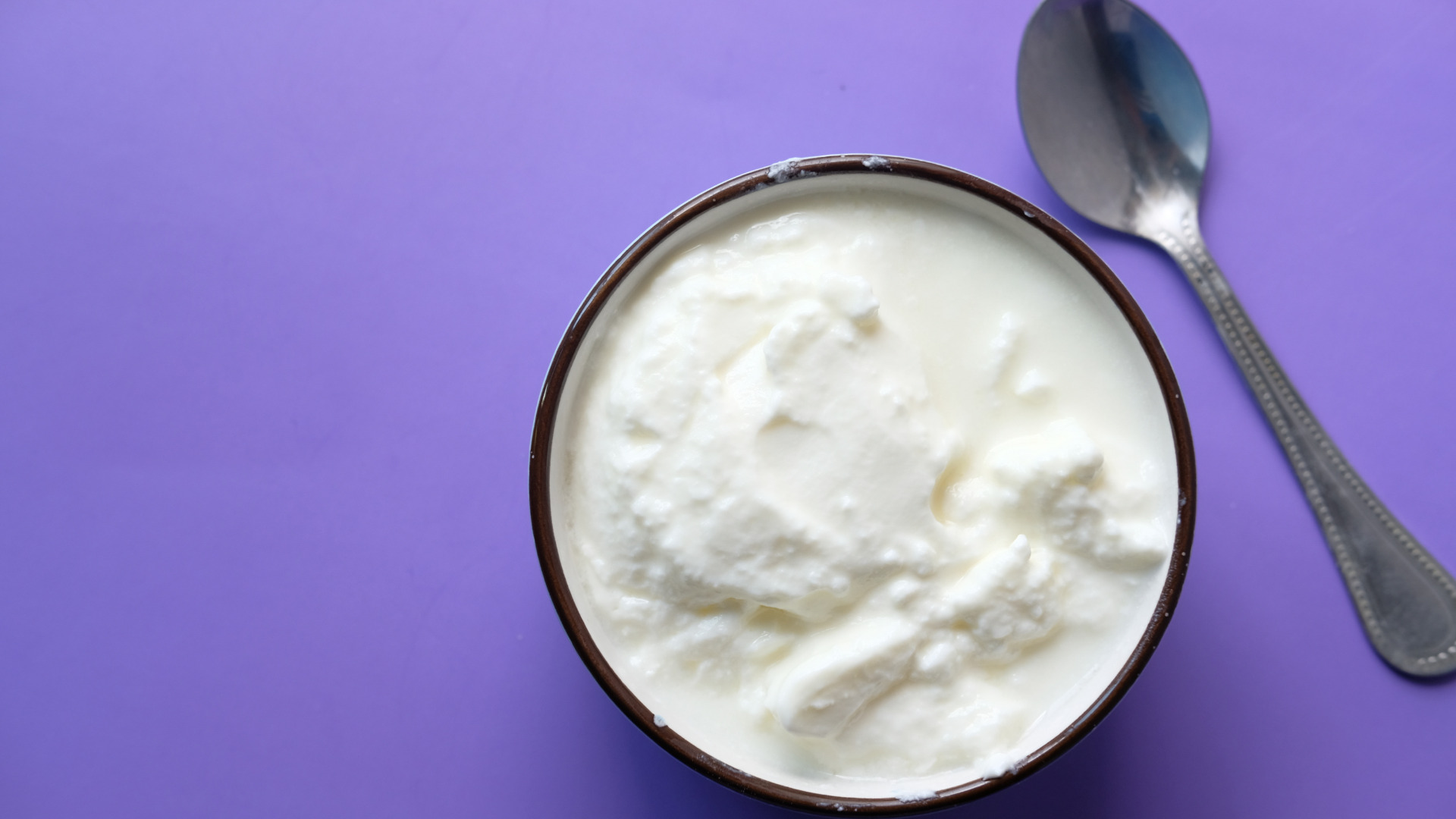
A Simple Guide to Going Dairy-Free: Your Path to Healthy Choices
A Simple Guide to Going Dairy-Free: Your Path to Healthy Choices If you’re thinking about going dairy-free, you’re in for a wholesome adventure. In this easy-to-follow guide, we’ll walk you through the basics of saying goodbye to dairy while keeping your health and taste buds in mind. Why Choose Dairy-Free? Let’s start with why you’re considering going dairy-free. Maybe dairy doesn’t agree with your tummy, or you’re curious about the magic of plant-based living. Whatever your reason, it’s important to know why you’re making this choice. Lactose Intolerance: If dairy leaves your stomach feeling not-so-happy, you could be dealing with lactose intolerance. Going dairy-free might bring relief. Allergies: Dairy allergies can cause symptoms ranging from mild hives to severe anaphylactic reactions. These allergies are often triggered by proteins found in cow’s milk. Health Concerns: Some individuals choose to go dairy-free to alleviate symptoms of chronic conditions like acne, eczema, or irritable bowel syndrome (IBS), which may be aggravated by dairy consumption. Ethical and Environmental Reasons: Embracing a dairy-free lifestyle aligns with concerns about animal welfare and environmental sustainability. Factory farming practices and the carbon footprint of the dairy industry are major considerations. Plant-Based Diet: Individuals following a vegan or plant-based diet exclude all animal products, including dairy, for both ethical and health reasons. Navigating Dairy-Free Options: Once you’ve identified your reasons for going dairy-free, it’s time to explore alternative options that provide the same nutrients without compromising your health or taste buds: Plant-Based Milk: Almond, soy, oat, and coconut milk are dairy-free wonders. They taste great and come with different nutrients. Choose fortified versions to ensure you’re still getting essential nutrients like calcium and vitamin D. Yogurt Alternatives: Look for yogurts made from almond, coconut, or soy milk. These can be used in recipes or enjoyed on their own. Cheese Substitutes: Love cheese? Nut-based cheeses, such as cashew or almond cheese, are rich in flavor and texture. Additionally, some brands offer plant-based cheese alternatives that melt and stretch like traditional cheese. Building a Balanced Diet: Eliminating dairy doesn’t mean sacrificing nutrition. Focus on a diverse and balanced diet to ensure you’re getting all the essential nutrients. Creating a balanced diet without dairy may be easier than you might think: Calcium: Incorporate calcium-rich foods like fortified plant-based milk, leafy greens (kale, spinach), tofu, almonds, and chia seeds. Protein Boost: Fill up on plant-based protein from lentils, beans, tofu, and nuts. They’ll keep you energized. Vitamin D: Since dairy is a primary source of vitamin D, consider supplements or spend some time in the sun to maintain healthy levels. Vital B12: If you’re on a vegan journey, make sure you’re getting enough B12 from fortified foods or supplements, as this vitamin is primarily found in animal products. Reading Labels and Dining Out: Navigating the world of packaged foods can be a challenge, as dairy ingredients can be hidden under various names. Learn to read labels carefully and be cautious when dining out: Hidden Dairy Ingredients: Keep an eye out for terms like whey, casein, lactose, and curds, which indicate the presence of dairy in a product. Restaurant Options: Many restaurants now offer dairy-free menu items. Don’t hesitate to ask about substitutions or modifications to suit your dietary preferences. Fun with Dairy-Free Cooking: Cooking at home gives you full control over your ingredients and allows you to experiment with dairy-free recipes: Recipe Magic: Try dairy-free recipes like creamy pasta with cashew sauce. There’s a wealth of dairy-free recipes available online that are always free for you to explore. Spice It Up: You can use herbs, spices, and nutritional yeast to enhance the flavors of your dishes. Staying Informed and Connected: Be curious and connected on your dairy-free journey by discovering new dairy-free nutrition tips and reading updates from trusted sources. You can also join online groups that stand as your supportive community in your dairy-free journey. Blogs – like Custom Curves | The Fitness Blog – are perfect for sharing experiences and learning from others. Now you’re equipped to step into the dairy-free world with confidence. Whether it’s for your health, the planet, or simply curiosity, going dairy-free can be an exciting and delicious journey. Remember that it’s not just about what you’re leaving behind but the exciting possibilities that lie ahead – improved health, culinary exploration, and a connection to a more sustainable way of living. Here’s to savoring new flavors, nourishing your body, and embracing a dairy-free lifestyle that suits you! Share: Facebook Pinterest Email Social Media Facebook-f Youtube Pinterest Instagram Tiktok Most Popular Get The Latest Updates Subscribe To Our Weekly Newsletter No spam, notifications only about new post, updates. Categories On Key Related Posts
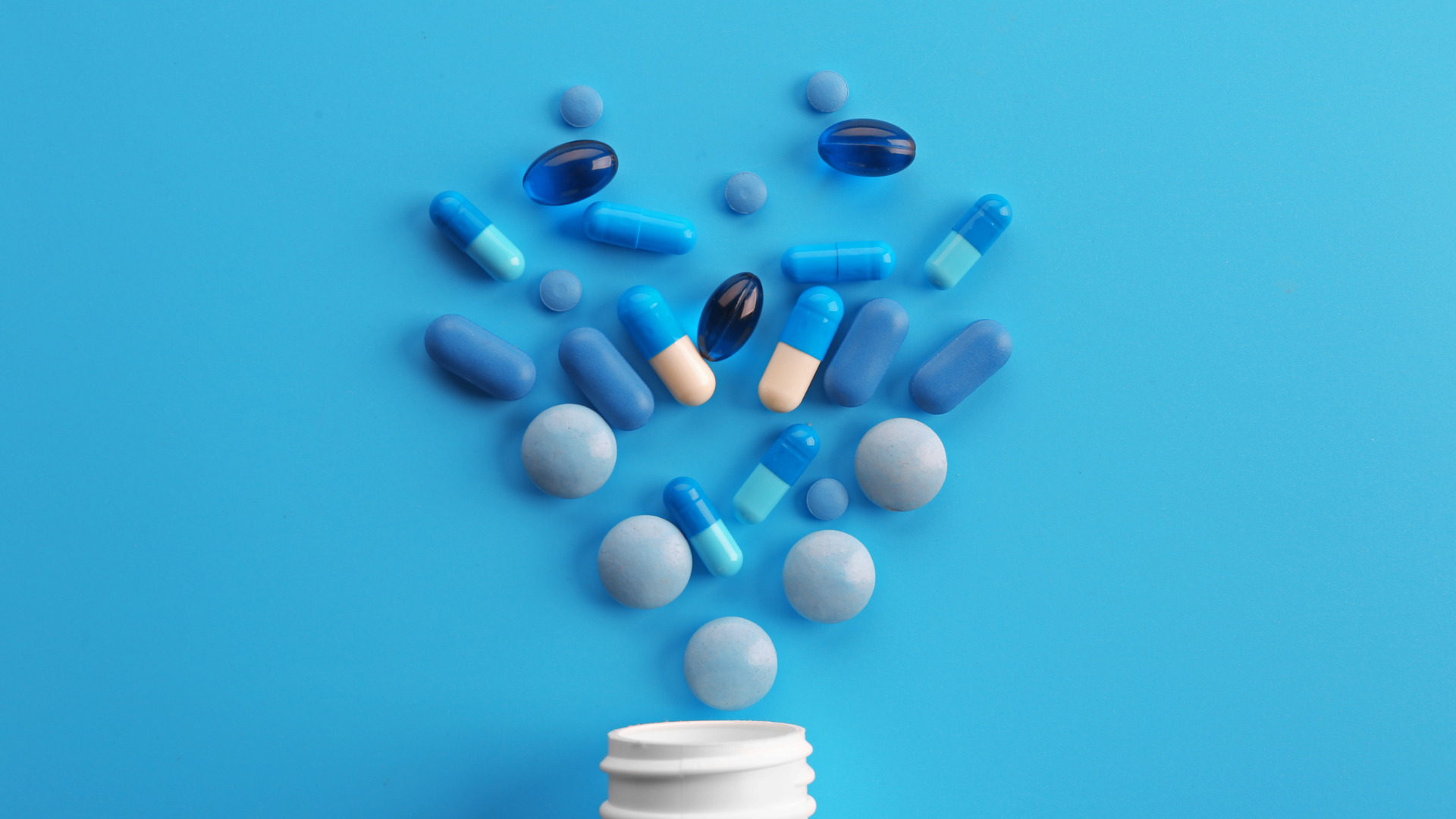
Best Pills and Powders for Weight Gain
Best Pills and Powders for Weight Gain Gaining weight can be just as challenging as losing it. For individuals looking to increase their body mass, pills and powders can be a convenient and effective solution. However, with countless products flooding the market, it can be overwhelming to choose the right ones. In this blog post, we will explore the best pills and powders for weight gain, providing you with valuable insights to make an informed decision. Before delving into specific products, it is crucial to note that weight gain should always be approached in a healthy and balanced manner. Consulting with a healthcare professional or nutritionist is highly recommended before incorporating any new supplements into your routine. 1. WHEY PROTEIN Whey protein is a popular supplement known for its ability to promote muscle growth and weight gain. It is rich in essential amino acids, which are the building blocks of muscle tissue. By adding whey protein to your diet, either through shakes or as an ingredient in meals, you can increase your protein intake and support muscle development. 2. CREATINE MONOHYDRATE Creatine monohydrate is a naturally occurring compound found in small amounts in certain foods like meat and fish. It plays a vital role in energy production within muscle cells, making it an excellent supplement for individuals looking to enhance their strength and muscle mass. By increasing the body’s phosphocreatine stores, creatine monohydrate allows for more intense workouts, leading to greater muscle growth. It also promotes water retention in muscle cells, resulting in increased size and weight gain. 3. MASS GAINERS Mass gainers are specially formulated supplements designed to provide a high-calorie intake in a convenient manner. They typically contain a blend of proteins, carbohydrates, fats, vitamins, and minerals to support muscle growth and weight gain. Mass gainers offer a quick and efficient way to increase calorie consumption, especially for individuals with a high metabolic rate or those who struggle to consume enough food throughout the day. However, it is important to choose a mass gainer that suits your specific nutritional needs and goals. When it comes to weight gain, pills and powders can be valuable tools to supplement a well-rounded diet and exercise routine. Whey protein, creatine monohydrate, and mass gainers are among the top choices for individuals seeking to increase their body mass. Remember, it is essential to prioritize your overall health and consult with professionals before incorporating any new supplements into your regimen. By making informed decisions and using these products responsibly, you can optimize your weight gain journey and achieve your desired results. Share: Facebook Pinterest Email Social Media Facebook-f Youtube Pinterest Instagram Tiktok Most Popular Get The Latest Updates Subscribe To Our Weekly Newsletter No spam, notifications only about new post, updates. Categories On Key Related Posts

Probiotic Drinks That Taste Like Soda
Probiotic Drinks That Taste Like Soda Probiotic drinks have gained immense popularity in recent years due to their potential health benefits. These beverages are packed with live bacteria and yeasts that can promote a healthy gut microbiome, aid digestion, and boost overall well-being. While many people enjoy the taste of soda, it’s important to choose healthier alternatives that still provide a fizzy and refreshing experience. In this blog post, we will explore some of the best probiotic drink brands that offer a soda-like taste without compromising on health benefits. . The refreshing taste of soda, it is often associated with high sugar content and artificial ingredients. However, there are probiotic drinks available that offer the best of both worlds – a delicious soda-like taste combined with the goodness of probiotics. In this blog post, we will explore some of the best probiotic drinks that taste like soda. 1. HEALTH-ADE KOMBUCHA Health-Ade Kombucha is a leading brand known for its delicious and diverse range of flavors. This fermented tea-based beverage contains live cultures and organic acids that support gut health. Health-Ade offers flavors like Ginger-Lemon, Pomegranate, and Pink Lady Apple, which provide a tangy and effervescent experience similar to soda. Their drinks are made with high-quality ingredients and are free from artificial additives or preservatives. It is made by fermenting sweetened tea with a symbiotic culture of bacteria and yeast (SCOBY). The fermentation process for Kombucha produces carbon dioxide, giving kombucha its fizzy texture similar to soda. Kombucha comes in various flavors, including fruity and tangy options, which mimic the taste of traditional sodas. Additionally, it contains live bacteria and yeast strains that can support gut health. 2. KeVita Sparkling Probiotic Drinks KeVita is another popular brand that specializes in sparkling probiotic drinks. Their beverages are made by fermenting organic fruit juices with water kefir cultures, resulting in a bubbly and refreshing drink. KeVita offers a wide range of flavors such as Lemon Cayenne Cleanse, Tart Cherry, and Mango Coconut. These drinks not only provide probiotics but also contain beneficial organic acids and antioxidants. 3. Olipop Prebiotic Drink Olipop drinks are a popular beverage brand that offers a unique and healthier alternative to traditional sodas. These drinks are specifically formulated to provide a refreshing and flavorful experience while also delivering various health benefits. Olipop drinks are known for their low sugar content, natural ingredients, and prebiotic fiber, making them a great choice for those looking to indulge in a fizzy drink without compromising their health. One of the key features of Olipop drinks is their low sugar content. Unlike regular sodas that are loaded with excessive amounts of added sugars, Olipop drinks contain only 2-5 grams of sugar per can. This is significantly lower than the average soda, which can contain up to 39 grams of sugar per serving. By reducing the sugar content, Olipop aims to provide a guilt-free option for individuals who want to enjoy a carbonated beverage without the negative health effects associated with high sugar consumption. In addition to being low in sugar, Olipop drinks are made with natural ingredients. They are free from artificial sweeteners, flavors, and colors, ensuring that consumers can enjoy a beverage that is both delicious and wholesome. The brand takes pride in using real fruit extracts and botanicals to create their unique flavor profiles. Some popular flavors offered by Olipop include Vintage Cola, Ginger Lemon, Strawberry Vanilla, and Classic Root Beer. 4. GT’s Synergy Kombucha: GT’s Synergy Kombucha is a well-established brand that has been producing kombucha for over 20 years. Their kombucha is made from a blend of tea, sugar, and a symbiotic culture of bacteria and yeast (SCOBY). GT’s Synergy Kombucha comes in various flavors, including Gingerberry, Trilogy, and Cosmic Cranberry. The drinks have a naturally carbonated and slightly sweet taste, making them a great alternative to soda. 5. Wild Tonic Jun Kombucha Wild Tonic Jun Kombucha is a unique brand that uses honey instead of sugar as a fermentation source. This results in a milder and less acidic taste compared to traditional kombucha. Their drinks are available in flavors like Blueberry Basil, Raspberry Goji Rose, and Tropical Turmeric. Wild Tonic Jun Kombucha offers a soda-like experience with the added benefits of probiotics and antioxidants. 6. POPPI PREBIOTIC DRINK Poppi soda is a popular beverage that has gained significant attention in recent years. It is a sparkling, low-calorie soda that is made with real fruit juice and natural ingredients. Poppi soda is known for its unique flavors and health benefits, making it a favorite among health-conscious individuals. One of the key features of Poppi soda is its use of prebiotics and apple cider vinegar. Prebiotics are a type of fiber that acts as food for the beneficial bacteria in our gut. By consuming prebiotics, we can support the growth and activity of these good bacteria, which can have numerous health benefits. Apple cider vinegar, on the other hand, has been praised for its potential to aid digestion, support weight loss, and regulate blood sugar levels. Poppi soda comes in a variety of flavors, including strawberry lemon, orange pineapple, blueberry lavender, and raspberry rose. These flavors are carefully crafted to provide a refreshing and enjoyable taste experience while still maintaining the health-conscious nature of the beverage. The use of real fruit juice ensures that each sip is bursting with natural flavors. Poppi soda comes in a variety of flavors, including strawberry lemon, orange, watermelon, and raspberry rose. When it comes to choosing a probiotic drink that tastes like soda, it’s essential to prioritize brands that offer both great flavor and health benefits. Health-Ade Kombucha, KeVita Sparkling Probiotic Drinks, GT’s Synergy Kombucha, Wild Tonic Jun Kombucha, and Brew Dr. Kombucha are all excellent options that provide a fizzy and refreshing experience while delivering the goodness of probiotics. By opting for these probiotic drink brands, you can enjoy the taste of soda without compromising your health or gut microbiome. Share: Facebook Pinterest Email Social Media Facebook-f Youtube Pinterest Instagram Tiktok Most Popular

Achieving Clear Skin: The Power of Nutritious Foods
Having clear and radiant skin is a goal for many individuals. While skincare routines and products play a significant role in maintaining healthy skin, the importance of nutrition should not be overlooked. The foods we consume can have a profound impact on our skin’s health and appearance. In this blog post, we will explore some of the best foods that promote clear skin and discuss their beneficial properties. 1. Fatty Fish: Fatty fish such as salmon, mackerel, and sardines are excellent sources of omega-3 fatty acids. These essential fats help to nourish the skin by reducing inflammation and keeping it moisturized. Omega-3 fatty acids also support the production of collagen, a protein that maintains the skin’s elasticity and firmness. Including fatty fish in your diet can help combat dryness, redness, and acne breakouts. 2. Avocados: Avocados are not only delicious but also packed with nutrients that benefit the skin. They are rich in healthy fats, particularly monounsaturated fats, which help to keep the skin hydrated and supple. Additionally, avocados contain vitamin E, an antioxidant that protects the skin from oxidative damage caused by free radicals. This nutrient also aids in reducing inflammation and promoting overall skin health. 3. Berries: Berries such as strawberries, blueberries, and raspberries are loaded with antioxidants that contribute to clear and youthful-looking skin. Antioxidants help to neutralize free radicals, which can damage cells and accelerate aging processes. Berries are also high in vitamins A and C, which play crucial roles in collagen production and maintaining skin elasticity. Including a variety of berries in your diet can provide your skin with a natural glow while protecting it from environmental stressors. 4. Green Tea: Green tea is renowned for its numerous health benefits, including its positive effects on the skin. It contains antioxidants called catechins, which have anti-inflammatory and anti-aging properties. These compounds help to reduce redness, fight acne-causing bacteria, and improve overall skin complexion. Drinking green tea regularly can also help protect the skin from sun damage and promote a more even skin tone. 5. Nuts and Seeds: Nuts and seeds, such as almonds, walnuts, flaxseeds, and chia seeds, are excellent sources of essential fatty acids, vitamins, and minerals that support clear skin. They provide a range of nutrients like vitamin E, zinc, selenium, and omega-3 fatty acids that help maintain healthy skin cells and prevent inflammation. Including a handful of nuts or seeds in your daily diet can contribute to a smoother and more radiant complexion. 6. Leafy Greens: Leafy greens like spinach, kale, and Swiss chard are packed with vitamins A, C, and K, as well as various antioxidants that promote clear skin. These vegetables help to detoxify the body by eliminating toxins that can lead to breakouts and dullness. The high vitamin content in leafy greens aids in collagen production and protects against sun damage. Adding these nutrient-dense greens to your meals can enhance your skin’s health and appearance. Conclusion: While skincare products are undoubtedly important for maintaining clear skin, incorporating a balanced diet rich in nutritious foods can significantly enhance your skin’s health from within. Fatty fish, avocados, berries, green tea, nuts and seeds, as well as leafy greens are just a few examples of foods that promote clear skin. By nourishing your body with these beneficial ingredients, you can achieve a radiant complexion that reflects your overall well-being.
Foods Most People Didn’t Know Were Gluten Free
Foods Most People Didn’t Know Were Gluten Free Gluten-free diets have gained significant popularity in recent years, whether due to medical necessity or personal preference. While many people associate gluten with wheat-based products, there is a wide range of foods that are naturally gluten-free or can be easily modified to fit a gluten-free lifestyle. In this blog post, we will delve into some lesser-known foods that most people didn’t realize were gluten-free. 1. QUINOA Quinoa is a versatile and nutritious grain-like seed that has been consumed for thousands of years. It is naturally gluten-free and packed with essential nutrients such as protein, fiber, and various vitamins and minerals. Quinoa can be used as a substitute for rice or couscous in various dishes, including salads, stir-fries, and even desserts. 2. BUCKWHEAT Despite its name, buckwheat is not related to wheat at all. It is actually a fruit seed that is commonly used as a grain substitute due to its nutty flavor and nutritional benefits. Buckwheat is rich in fiber, protein, and antioxidants. It can be ground into flour to make pancakes, noodles, or used as a base for gluten-free bread. 3. TAMARI Tamari is a type of soy sauce that is traditionally made without wheat. Unlike regular soy sauce, which often contains wheat as an ingredient, tamari is made solely from fermented soybeans. It adds depth of flavor to various dishes and can be used as a dipping sauce or marinade. However, it’s important to check the label when purchasing tamari as some brands may add wheat as a filler. 4. MILLET Millet is a small grain that has been cultivated for thousands of years and is widely consumed in many parts of the world. It is naturally gluten-free and provides an excellent source of fiber, protein, and essential minerals. Millet can be cooked and used as a side dish, added to soups or stews, or ground into flour for baking gluten-free goods. 5. COCONUT Coconut is a versatile ingredient that can be used in various forms, including coconut milk, coconut flour, and coconut oil. All of these coconut-based products are naturally gluten-free and can be incorporated into a wide range of recipes. Coconut flour is an excellent alternative to wheat flour in baking, while coconut milk adds richness to curries and desserts. 6. LENTILS Lentils are legumes that come in various colors and sizes, including green, red, brown, and black. They are highly nutritious, packed with protein, fiber, and essential minerals. Lentils can be cooked and used as a base for soups, stews, salads, or even veggie burgers. They are a great gluten-free alternative to grains like wheat or barley. 7. CHIA SEEDS Chia seeds have gained popularity in recent years due to their nutritional benefits. These tiny seeds are rich in omega-3 fatty acids, fiber, and antioxidants. They can be used as a thickening agent in recipes or soaked in liquid to create a gel-like consistency. Chia seeds are often used in gluten-free baking as an egg substitute. While the gluten-free diet may seem restrictive at first glance, there is a wide variety of foods that are naturally gluten-free or can be easily modified to fit this dietary lifestyle. From quinoa and buckwheat to tamari and lentils, these lesser-known options provide delicious alternatives for those following a gluten-free diet. Share: Facebook Pinterest Email Social Media Facebook-f Youtube Pinterest Instagram Tiktok Most Popular Get The Latest Updates Subscribe To Our Weekly Newsletter No spam, notifications only about new post, updates. Categories On Key Related Posts

How to Heal A Leaky Gut
How to Heal A Leaky Gut Leaky gut syndrome, also known as increased intestinal permeability, is a condition that affects the lining of the intestines. It occurs when the tight junctions between the cells in the intestinal wall become compromised, allowing harmful substances such as toxins, bacteria, and undigested food particles to leak into the bloodstream. This can lead to a range of health issues, including digestive problems, food sensitivities, autoimmune disorders, and inflammation. In this blog post, we will explore various strategies and lifestyle changes that can help heal a leaky gut and restore optimal gut health. 1. Identify and Remove Trigger Foods The first step in healing a leaky gut is to identify and eliminate any trigger foods that may be contributing to the condition. Common culprits include gluten, dairy products, processed foods, refined sugars, alcohol, and caffeine. These foods can irritate the intestinal lining and exacerbate inflammation. By removing these trigger foods from your diet, you give your gut a chance to heal and reduce further damage. 2. Adopt an Anti-Inflammatory Diet Following an anti-inflammatory diet is crucial for healing a leaky gut. This involves consuming nutrient-dense whole foods that are rich in antioxidants and anti-inflammatory compounds. Focus on incorporating plenty of fruits, vegetables, lean proteins, healthy fats (such as avocados and olive oil), nuts, seeds, and fermented foods into your meals. These foods provide essential nutrients while reducing inflammation in the gut. 3. Restore Gut Microbiome Balance A healthy gut microbiome plays a vital role in maintaining gut health. To restore balance in your gut microbiome, consider incorporating probiotic-rich foods into your diet or taking high-quality probiotic supplements. Probiotics are beneficial bacteria that help promote a healthy balance of microorganisms in the gut. Additionally, consuming prebiotic-rich foods such as garlic, onions, asparagus, and bananas can provide nourishment for the beneficial bacteria in your gut. 4. Support Digestive Enzymes: Digestive enzymes are essential for breaking down food and aiding in nutrient absorption. Supplementing with digestive enzymes can help support the digestive process and reduce the strain on the gut. Look for a high-quality enzyme supplement that contains a blend of proteases, lipases, and amylases to ensure optimal digestion. 5. Manage Stress Levels Chronic stress can have a detrimental impact on gut health. When we are stressed, our bodies release stress hormones that can disrupt the delicate balance of the gut microbiome and increase intestinal permeability. Incorporating stress management techniques such as meditation, deep breathing exercises, yoga, or regular physical activity can help reduce stress levels and support gut healing. 6. Repair Intestinal Lining Certain supplements and nutrients can aid in repairing the damaged intestinal lining. L-glutamine, an amino acid, is known for its ability to support gut health by promoting cell regeneration in the intestinal lining. Other beneficial supplements include zinc, omega-3 fatty acids, collagen peptides, and quercetin. However, it is important to consult with a healthcare professional before starting any new supplements. 7. Avoid NSAIDs and Antibiotics Nonsteroidal anti-inflammatory drugs (NSAIDs) and antibiotics can disrupt the delicate balance of the gut microbiome and contribute to leaky gut syndrome. Whenever possible, try to find natural alternatives for pain relief and limit antibiotic use to only when necessary. Healing a leaky gut requires a multifaceted approach that involves identifying trigger foods, adopting an anti-inflammatory diet, restoring gut microbiome balance, supporting digestive enzymes, managing stress levels, repairing the intestinal lining, and avoiding certain medications. By implementing these strategies and making lifestyle changes, you can support your body’s natural healing processes and restore optimal gut health. Share: Facebook Pinterest Email Social Media Facebook-f Youtube Pinterest Instagram Tiktok Most Popular Get The Latest Updates Subscribe To Our Weekly Newsletter No spam, notifications only about new post, updates. Categories On Key Related Posts

Lose Weight Without Going to The Gym
Lose Weight Without Going to The Gym Losing weight can be a challenging journey, but it doesn’t have to involve extreme diets or deprivation. By adopting a clean eating approach and maintaining a calorie deficit, you can achieve sustainable weight loss while nourishing your body with wholesome foods. In this blog post, we will delve into the principles of clean eating, explain the concept of a calorie deficit, and provide practical tips to help you reach your weight loss goals. Understanding Clean Eating Clean eating is a dietary approach that focuses on consuming whole, unprocessed foods while avoiding or minimizing processed and refined products. The goal is to nourish your body with nutrient-dense foods that provide essential vitamins, minerals, and antioxidants. By eliminating or reducing highly processed foods that are often high in added sugars, unhealthy fats, and artificial ingredients, you can optimize your health and support weight loss. Creating a Calorie Deficit To lose weight, you need to create a calorie deficit, which means consuming fewer calories than your body burns. This forces your body to tap into its fat stores for energy, resulting in weight loss over time. It’s important to note that creating too large of a calorie deficit can be counterproductive and may lead to muscle loss or a slowed metabolism. Therefore, it’s crucial to strike a balance by gradually reducing your calorie intake while ensuring adequate nutrition. Practical Tips for Clean Eating and Calorie Deficit 1. Choose Whole Foods: Base your meals around whole foods such as fruits, vegetables, lean proteins, whole grains, and healthy fats. These foods are naturally low in calories and high in nutrients, making them ideal for weight loss. 2. Portion Control: Pay attention to portion sizes to avoid overeating. Use smaller plates and bowls to visually trick yourself into thinking you’re consuming more food than you actually are. Additionally, practice mindful eating by savoring each bite and listening to your body’s hunger and fullness cues. 3. Track Your Calories: Keeping track of your calorie intake can be a helpful tool in creating a calorie deficit. Numerous mobile apps and websites allow you to log your meals and track your daily calorie consumption. This awareness can help you make informed choices and adjust your portion sizes accordingly. 4. Meal Planning: Plan your meals in advance to ensure you have nutritious options readily available. This can help prevent impulsive food choices and reduce the likelihood of reaching for unhealthy snacks. Include a balance of macronutrients (carbohydrates, proteins, and fats) in each meal to promote satiety and provide sustained energy throughout the day. 5. Stay Hydrated: Drinking an adequate amount of water is essential for overall health and weight loss. Water helps regulate metabolism, aids digestion, and can help curb appetite. Aim to drink at least eight glasses of water per day, or more if you are physically active. 6. Limit Added Sugars and Processed Foods: Minimize your consumption of sugary beverages, desserts, processed snacks, and foods high in added sugars. These items are often calorie-dense but nutrient-poor, making it difficult to maintain a calorie deficit while meeting your nutritional needs. 7. Regular Physical Activity: Now–you don’t have to go to the gym but if Incorporate regular exercise it can enhance your results and even speed it up. Instead of going to the gym you can workout at home by doing strength training, which can help boost metabolism, preserve muscle mass, and improve overall fitness. Or Even outside by engaging in both cardiovascular exercises (such as brisk walking, jogging, or cycling). Losing weight through clean eating and maintaining a calorie deficit is a sustainable approach that promotes overall health while shedding excess pounds. By prioritizing whole foods, portion control, tracking calories, meal planning, staying hydrated, limiting processed foods, and engaging in regular physical activity, you can achieve your weight loss goals effectively Share: Facebook Pinterest Email Social Media Facebook-f Youtube Pinterest Instagram Tiktok Most Popular Get The Latest Updates Subscribe To Our Weekly Newsletter No spam, notifications only about new post, updates. Categories On Key Related Posts

Unlocking Healthy Weight Gain: The Best Supplements to Support Your Journey
Unlocking Healthy Weight Gain: The Best Supplements to Support Your Journey While most people focus on weight loss, there are individuals who struggle with gaining weight due to various reasons such as a fast metabolism, medical conditions, or simply a desire to achieve a healthier physique. If you’re looking to gain weight in a safe and controlled manner, incorporating certain supplements into your routine can support your efforts. In this article, we will explore some of the best supplements for weight gain, helping you on your journey towards a stronger, more nourished body. 1. Whey Protein Whey protein is a popular supplement known for its ability to promote muscle growth and weight gain. It is rich in essential amino acids, which are the building blocks of muscle tissue. By adding whey protein to your diet, either through shakes or as an ingredient in meals, you can increase your protein intake and support muscle development. 2. Creatine Creatine is a compound naturally found in the body and is widely used as a supplement for enhancing athletic performance. It helps increase muscle mass by improving the body’s ability to produce energy during intense workouts. By supplementing with creatine, you may experience weight gain in the form of lean muscle mass. 3. Weight Gainers Weight gainer supplements are specifically designed to provide a high-calorie intake and support weight gain. They typically contain a blend of carbohydrates, proteins, and fats, making them an efficient way to increase your calorie consumption. However, it’s important to choose a weight gainer that uses quality ingredients and fits your nutritional needs. 4. Omega-3 Fatty Acids Omega-3 fatty acids are essential fats that offer numerous health benefits. They can support weight gain by reducing inflammation, improving appetite, and enhancing nutrient absorption. You can find omega-3 fatty acids in fish oil supplements or sources like salmon, chia seeds, and walnuts. 5. Healthy Fats Incorporating healthy fats into your diet is crucial for healthy weight gain. Supplements such as flaxseed oil, coconut oil, and olive oil can provide an extra calorie boost. Additionally, they offer essential nutrients and support overall well-being. 6. Multi-vitamins & Minerals To ensure your body has all the necessary nutrients for healthy weight gain, consider taking a high-quality multivitamin and mineral supplement. This will help fill any nutritional gaps that may occur during your weight gain journey. 7. Branched-chain Amino Acids (BCAAs) BCAAs are essential amino acids that play a vital role in muscle recovery and growth. They can be particularly beneficial if you engage in intense workouts as part of your weight gain regimen. BCAA supplements can help reduce muscle breakdown, enhance protein synthesis, and support muscle gain. 8. Probiotics A healthy digestive system is essential for effective weight gain. Probiotic supplements help maintain a balanced gut flora, improve digestion, and enhance nutrient absorption. Look for a high-quality probiotic supplement containing various strains of beneficial bacteria. Remember, supplements should be used as a complement to a well-rounded diet and lifestyle. It’s essential to consult with a healthcare professional or a registered dietitian before incorporating any new supplements into your routine. They can guide you based on your specific needs, health status, and goals. Gaining weight in a healthy and controlled manner requires a combination of proper nutrition, exercise, and lifestyle choices. When used wisely and under professional guidance. Share: Facebook Pinterest Email Social Media Facebook-f Youtube Pinterest Instagram Tiktok Most Popular Get The Latest Updates Subscribe To Our Weekly Newsletter No spam, notifications only about new post, updates. Categories Related Posts

The Ultimate Guide to Balancing Your Hormones Naturally
The Ultimate Guide to Balancing Your Hormones Naturally Hormones play a crucial role in regulating various bodily functions, including metabolism, mood, reproduction, and growth. When our hormones are out of balance, it can lead to a wide range of health issues and imbalances. Fortunately, there are several natural ways to support hormonal balance and optimize overall well-being. In this blog post, we will explore effective strategies to help you balance your hormones naturally. 1. Maintain a Healthy Diet A balanced diet is essential for maintaining hormonal balance. Include a variety of whole foods in your diet, such as fruits, vegetables, lean proteins, healthy fats, and complex carbohydrates. Avoid processed foods, refined sugars, and excessive caffeine intake as they can disrupt hormone levels. Certain foods can specifically support hormonal balance: a) Cruciferous Vegetables: Broccoli, cauliflower, kale, and Brussels sprouts contain compounds that aid in estrogen metabolism and promote hormonal balance. b) Omega-3 Fatty Acids: Found in fatty fish like salmon and sardines, as well as flaxseeds and chia seeds, omega-3 fatty acids help reduce inflammation and support hormone production. c) Adaptogenic Herbs: Adaptogens like ashwagandha and rhodiola can help regulate cortisol levels (the stress hormone) and promote overall hormonal balance. 2. Mange Stress Levels Chronic stress can disrupt hormone production, leading to imbalances. Incorporating stress management techniques into your daily routine is crucial for hormonal health: a) Regular Exercise: Engaging in physical activity helps reduce stress levels by releasing endorphins and improving overall well-being. b) Mindfulness Practices: Techniques like meditation, deep breathing exercises, and yoga can help lower cortisol levels and promote relaxation. c) Adequate Sleep: Prioritize getting 7-9 hours of quality sleep each night to support hormone regulation and overall well-being. 3. Maintain a Healthy Weight Maintaining a healthy weight is essential for hormonal balance. Excess body fat, especially around the abdomen, can lead to increased estrogen production and disrupt hormone levels. Incorporate regular exercise and a balanced diet to achieve and maintain a healthy weight. 4. Limit Exposure to Environment Toxins Environmental toxins can disrupt hormonal balance. Minimize exposure to chemicals found in household cleaning products, personal care items, and plastics. Opt for natural alternatives whenever possible and choose organic produce to reduce exposure to pesticides. 5. Stay Hydrated Proper hydration is crucial for hormone regulation. Drink an adequate amount of water throughout the day to support optimal bodily functions, including hormone production and metabolism. 6. Consider Herbal Supplements Certain herbal supplements can support hormonal balance: a) Maca Root: Known for its adaptogenic properties, maca root can help regulate hormones and improve overall well-being. b) Vitex (Chasteberry): This herb has been traditionally used to support hormonal balance in women, particularly during the menstrual cycle. c) Dong Quai: Often used in traditional Chinese medicine, dong quai may help regulate estrogen levels and alleviate symptoms associated with hormonal imbalances. Balancing hormones naturally requires a holistic approach that includes maintaining a healthy diet, managing stress levels, maintaining a healthy weight, limiting exposure to environmental toxins, staying hydrated, and considering herbal supplements. By incorporating these strategies into your lifestyle, you can support optimal hormonal balance and improve your overall well-being. Share: Facebook Pinterest Email Social Media Facebook-f Youtube Pinterest Instagram Tiktok Most Popular Get The Latest Updates Subscribe To Our Weekly Newsletter No spam, notifications only about new post, updates. Categories Related Posts

Foods That Cause Bloating: Understanding the Culprits
Foods That Cause Bloating: Understanding the Culprits Bloating is a common digestive issue that many people experience at some point in their lives. It is characterized by a feeling of fullness, tightness, or swelling in the abdomen. While occasional bloating is normal, chronic or excessive bloating can be uncomfortable and disruptive to daily life. One factor that can contribute to bloating is the consumption of certain foods. In this blog post, we will explore some common culprits behind bloating and provide insights into how they affect our digestive system. 1. Legumes and Beans Legumes and beans are highly nutritious and an excellent source of plant-based protein. However, they contain a type of carbohydrate called oligosaccharides, which can be difficult for some individuals to digest properly. These carbohydrates pass through the small intestine undigested and reach the large intestine, where they are fermented by gut bacteria. This fermentation process produces gas as a byproduct, leading to bloating and discomfort. Additionally, legumes and beans also contain high amounts of fiber, which can cause bloating in some people. Fiber is essential for maintaining a healthy digestive system, but consuming excessive amounts without gradually increasing intake can overwhelm the digestive system and result in bloating. 2. Cruciferous Vegetables Cruciferous vegetables like broccoli, cauliflower, cabbage, Brussels sprouts, and kale are packed with essential nutrients and are known for their numerous health benefits. However, they also contain a group of carbohydrates called raffinose sugars that are not easily digested by the human body. Similar to legumes and beans, these carbohydrates reach the large intestine undigested and undergo fermentation by gut bacteria. This process leads to the production of gas, causing bloating and discomfort. Cooking cruciferous vegetables can help break down some of these complex carbohydrates and make them easier to digest. 3. Carbonated Drinks Carbonated drinks, including soda, sparkling water, and fizzy beverages, are notorious for causing bloating. The carbonation process involves the infusion of carbon dioxide gas into the liquid, creating bubbles. When consumed, these bubbles can accumulate in the digestive system and contribute to bloating. Furthermore, many carbonated drinks contain high amounts of added sugars or artificial sweeteners. These substances can be difficult for the body to digest and may lead to bloating and gas production. Opting for non-carbonated alternatives or reducing overall consumption of carbonated drinks can help alleviate bloating symptoms. 4. Other Foods That May Cause Bloating While legumes, cruciferous vegetables, and carbonated drinks are common culprits behind bloating, it is important to note that individual reactions to foods can vary. Some other foods that may cause bloating in certain individuals include: Dairy products: Lactose intolerance can lead to bloating and digestive discomfort when consuming dairy products. Fatty foods: High-fat meals can slow down digestion, leading to a feeling of fullness and bloating. Wheat and gluten-containing foods: Individuals with gluten sensitivity or celiac disease may experience bloating after consuming wheat-based products. Artificial sweeteners: Certain artificial sweeteners like sorbitol and xylitol can have a laxative effect and cause bloating. Understanding which foods can cause bloating is essential for managing digestive discomfort. While legumes, cruciferous vegetables, and carbonated drinks are commonly associated with bloating, it is important to remember that individual reactions may vary. Keeping a food diary and paying attention to personal triggers can help identify specific foods that contribute to bloating. Additionally, seeking guidance from a healthcare professional or registered dietitian can provide personalized advice on managing bloating symptoms. Share: Facebook Pinterest Email Social Media Facebook-f Youtube Pinterest Instagram Tiktok Most Popular Get The Latest Updates Subscribe To Our Weekly Newsletter No spam, notifications only about new post, updates. Categories Related Posts